

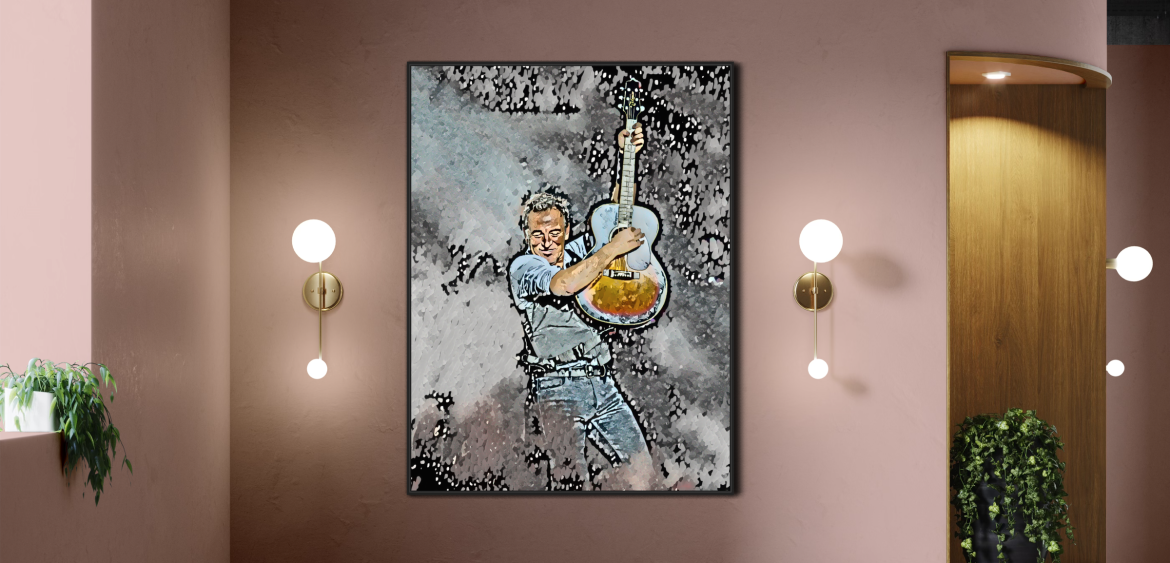
Turning your residence or office into an art haven involves more than just hanging pictures. It’s about creating an experience, a dialogue between the art, the viewer, and the environment itself. It’s also about cultivating a space that nurtures your well-being and inspires those who enter. Here’s a detailed guide to help you curate a captivating gallery space:
Embrace the Power of Negative Space
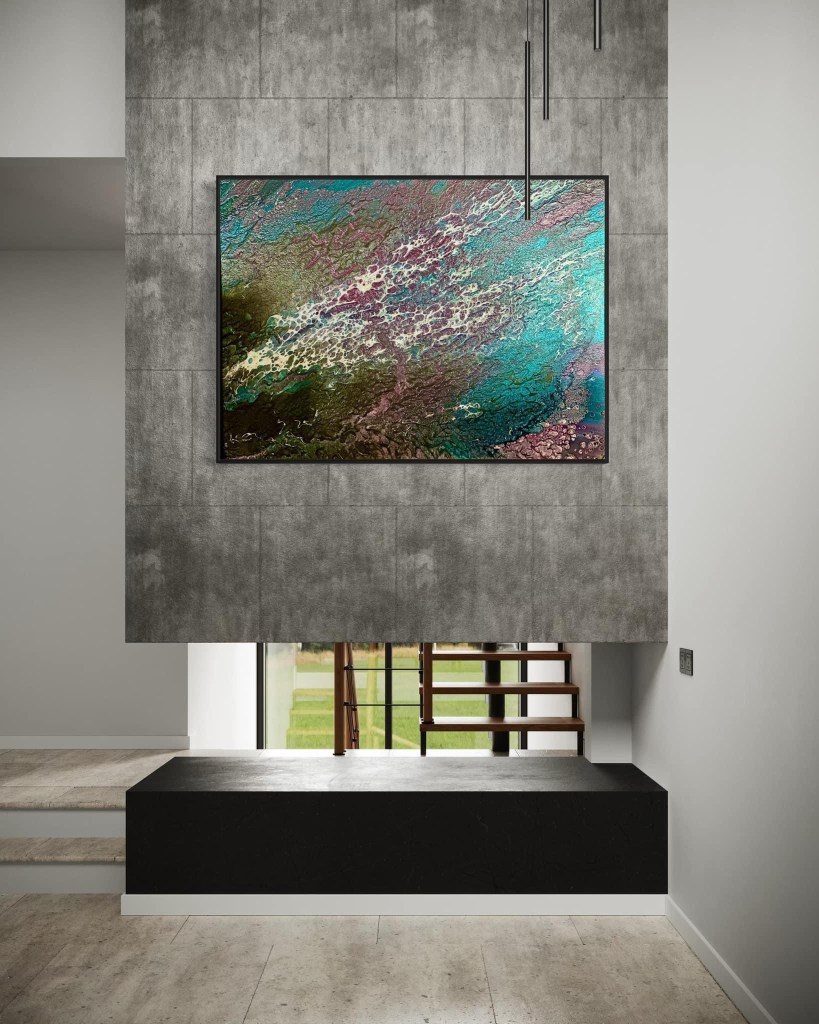
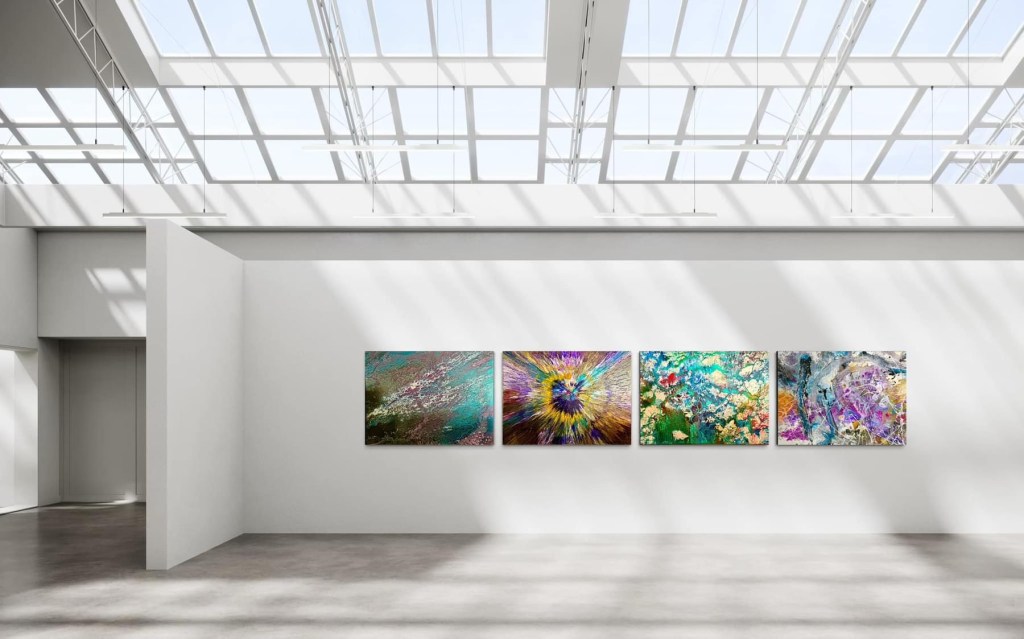
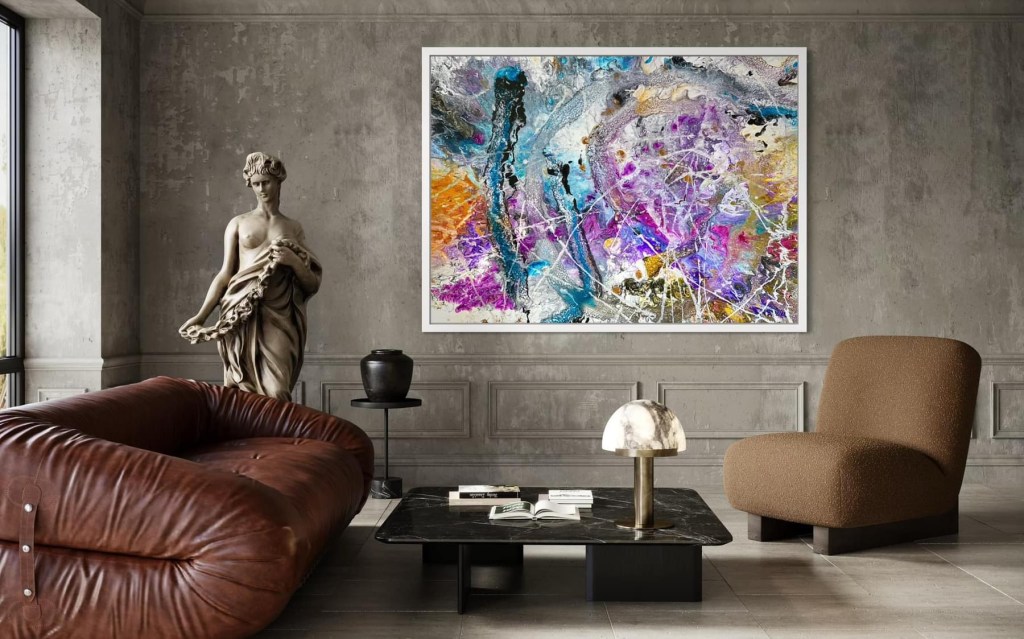
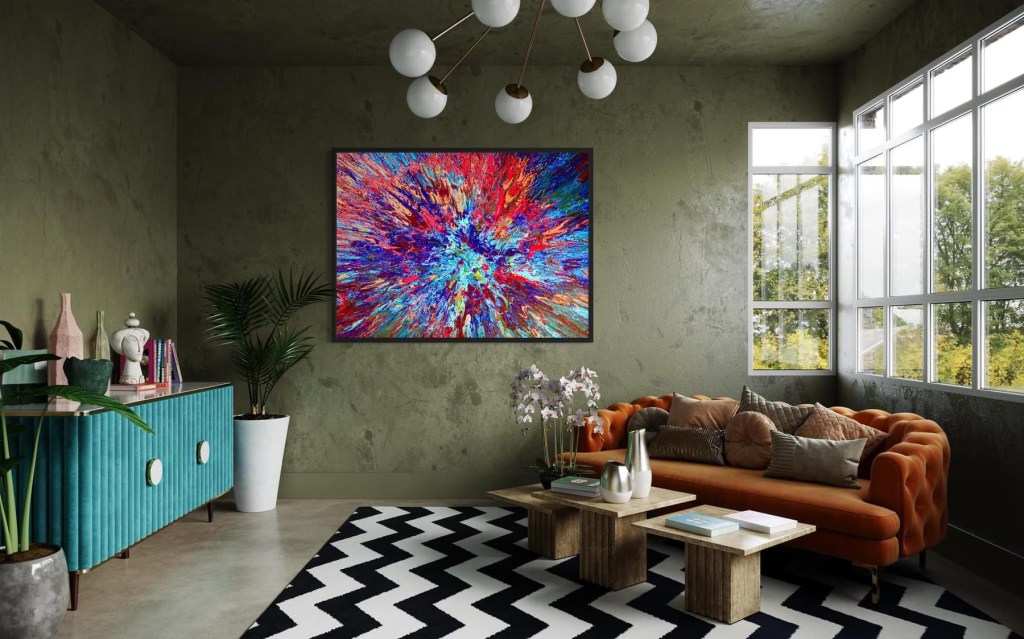
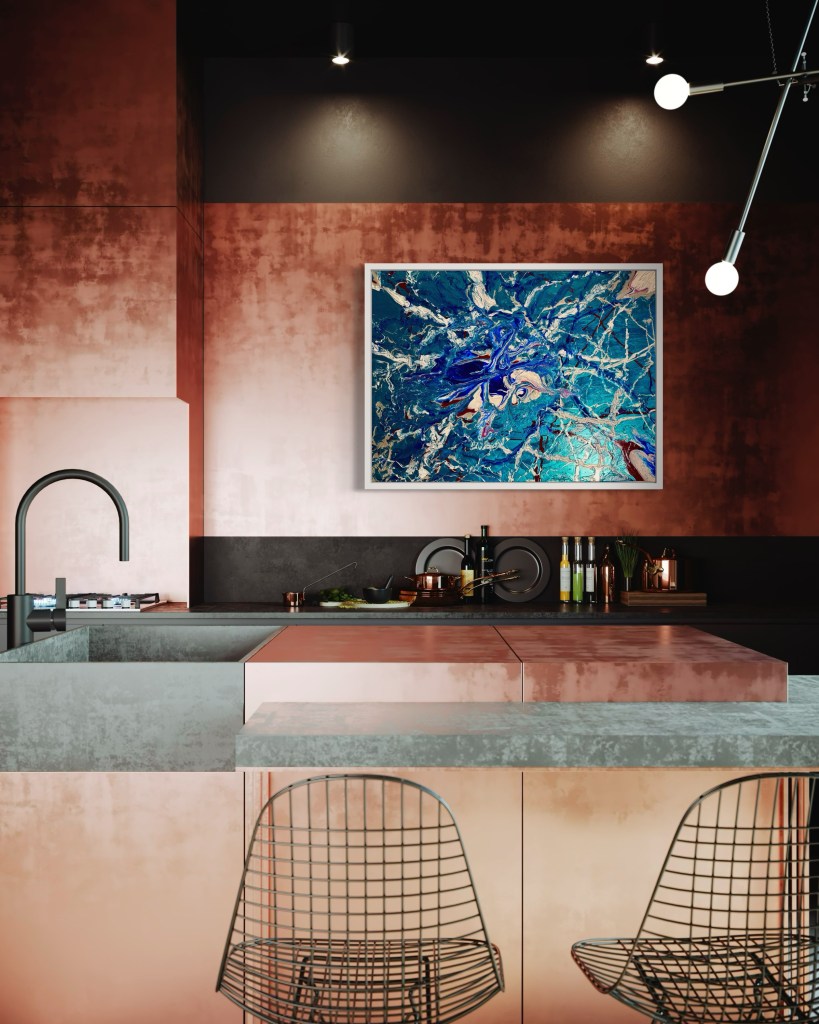
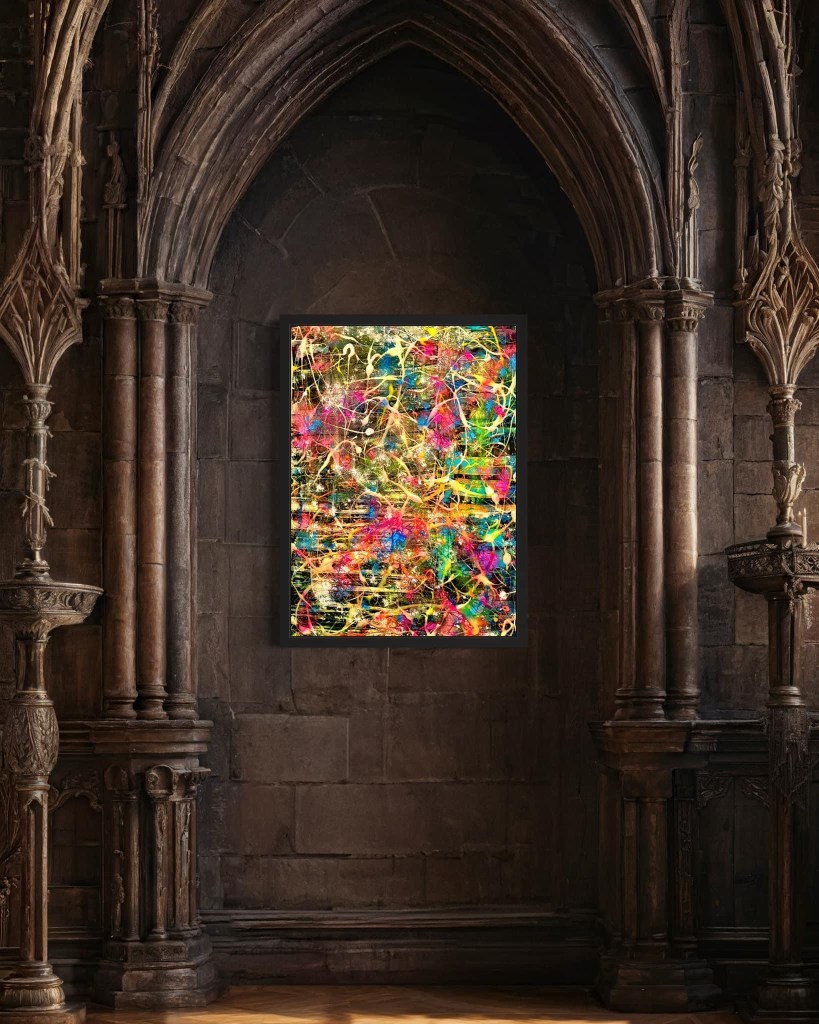
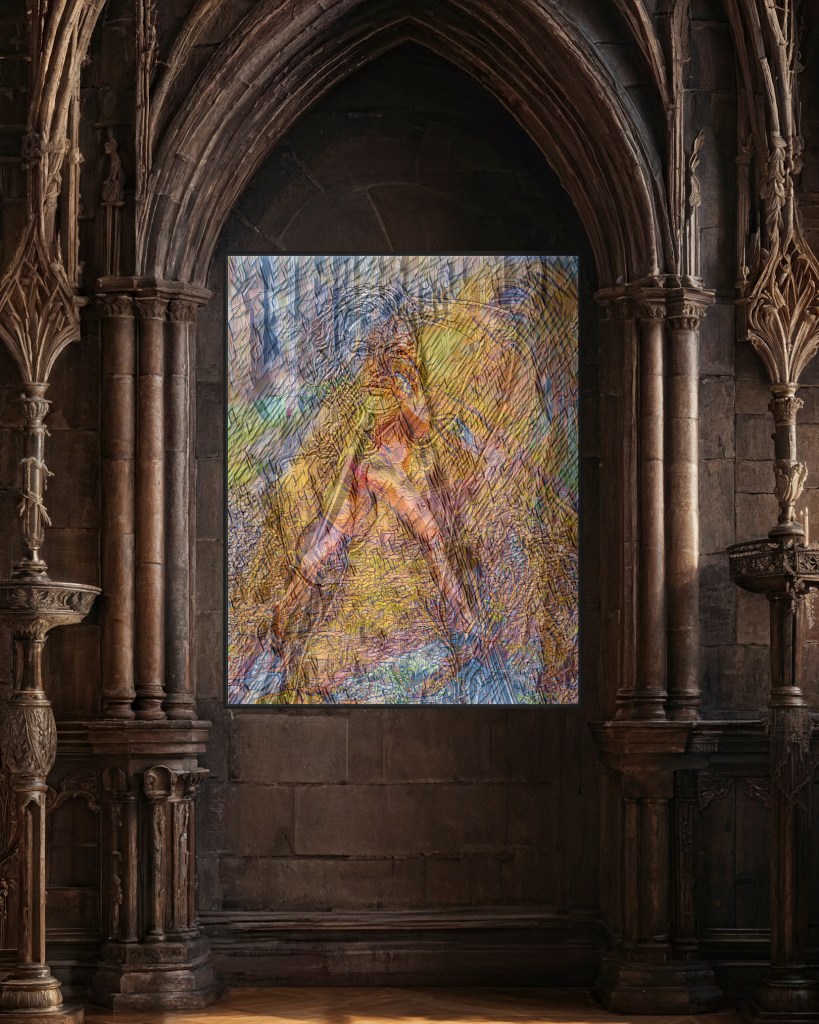
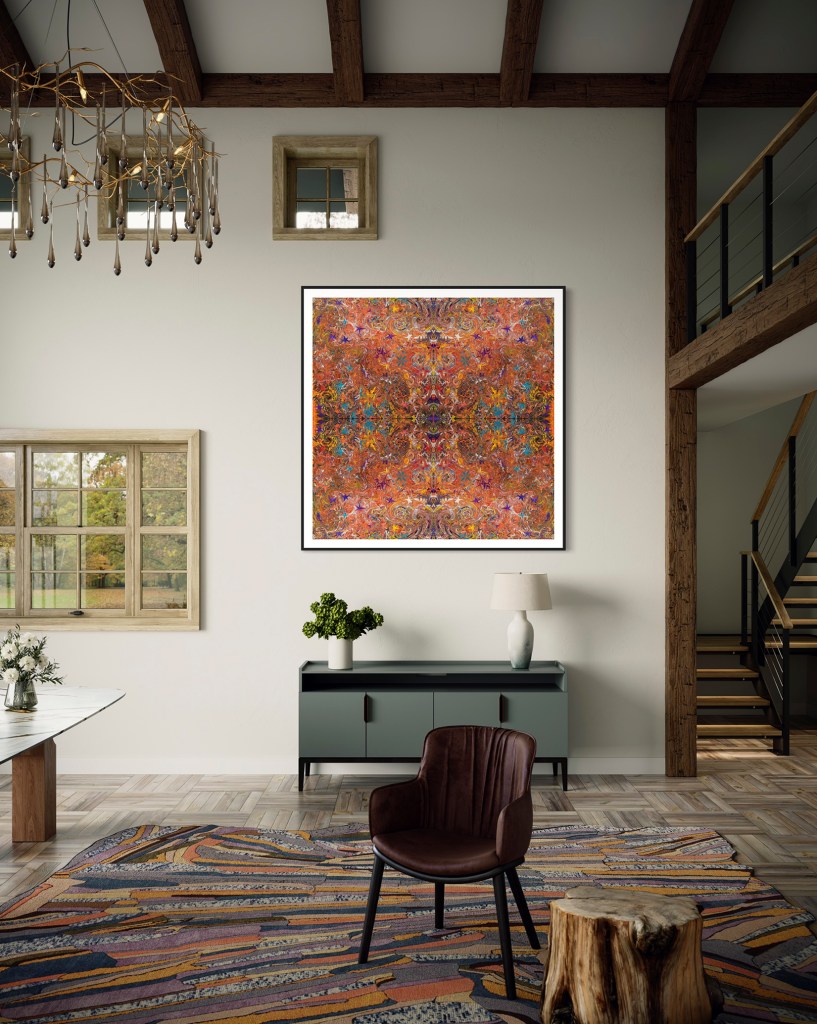
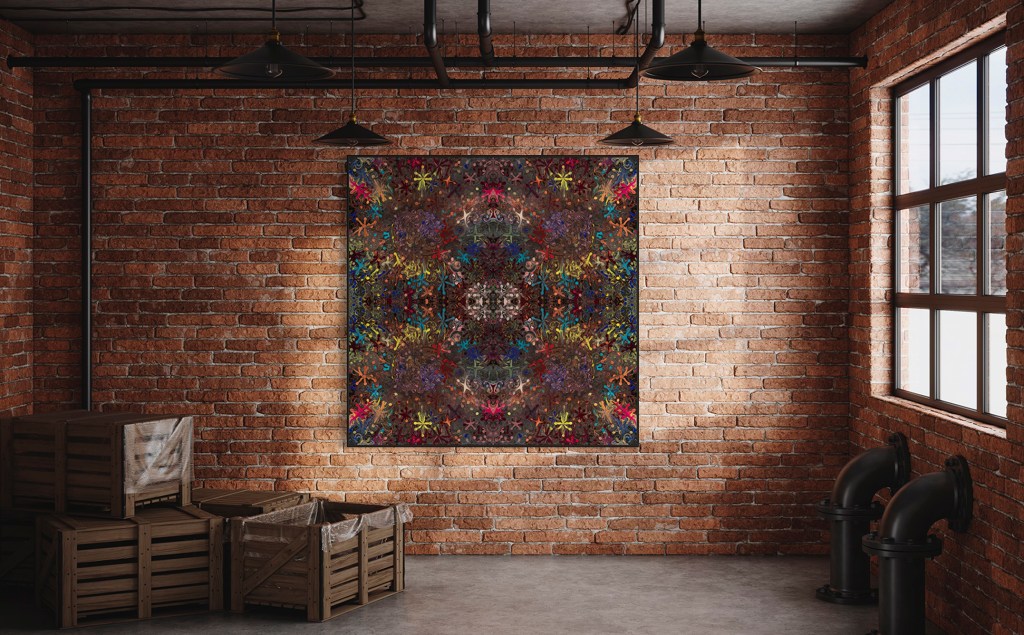
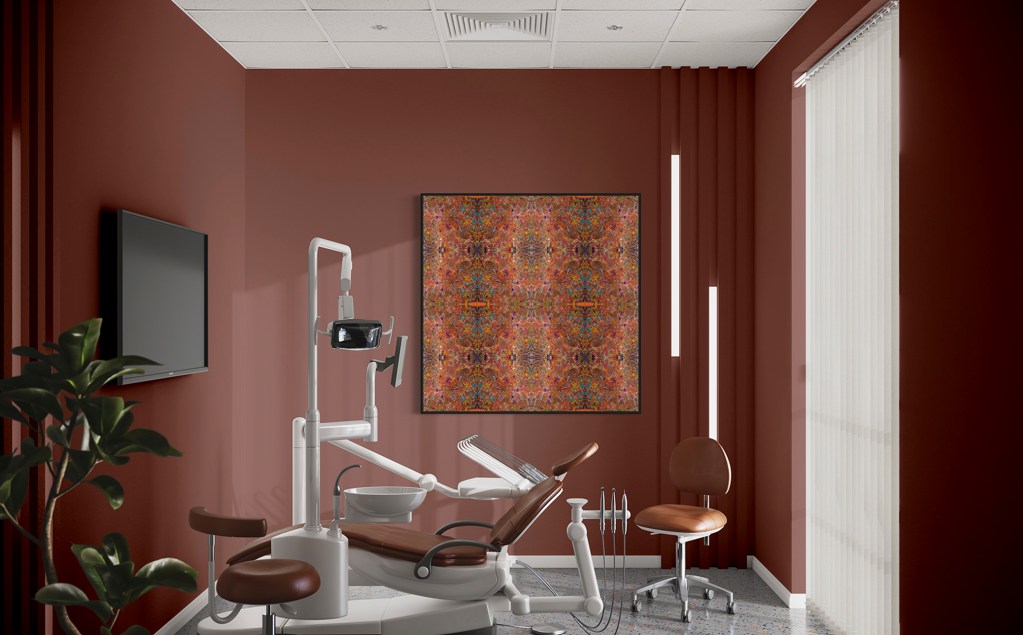
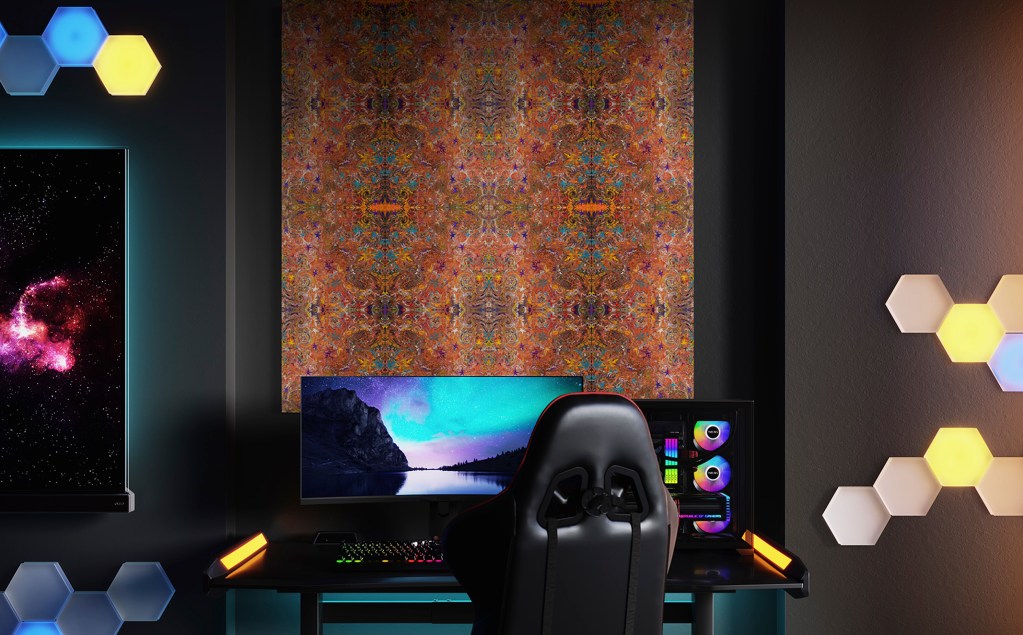
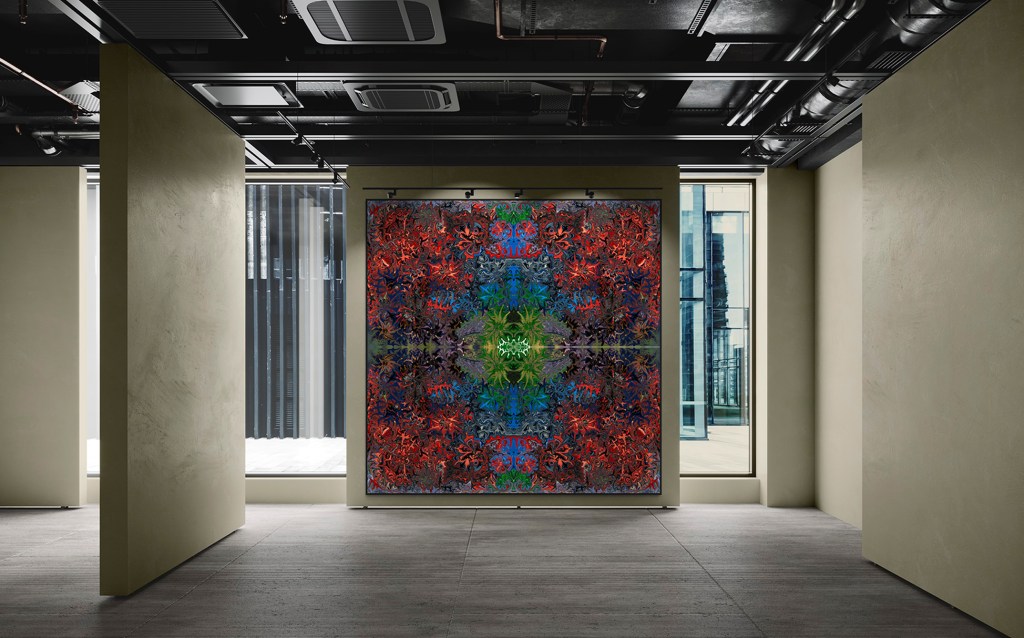
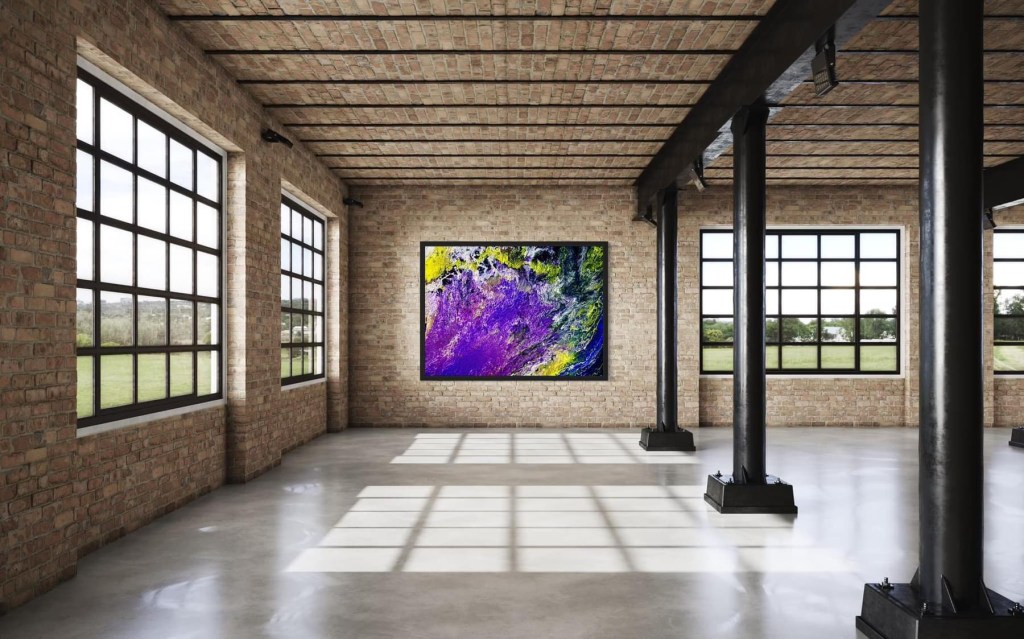
Negative space, the empty areas surrounding your artwork, is a crucial element in gallery design. It allows the art to breathe, preventing a cluttered feel and giving each piece the attention it deserves.
- Visual Rest: Negative space provides visual breaks, preventing viewer fatigue and allowing the eye to focus on individual pieces.
- Emphasis and Impact: Strategically placed negative space can highlight key artworks and create a sense of drama.
- Balance and Harmony: Negative space contributes to a balanced and harmonious composition, ensuring the gallery feels inviting and not overwhelming.
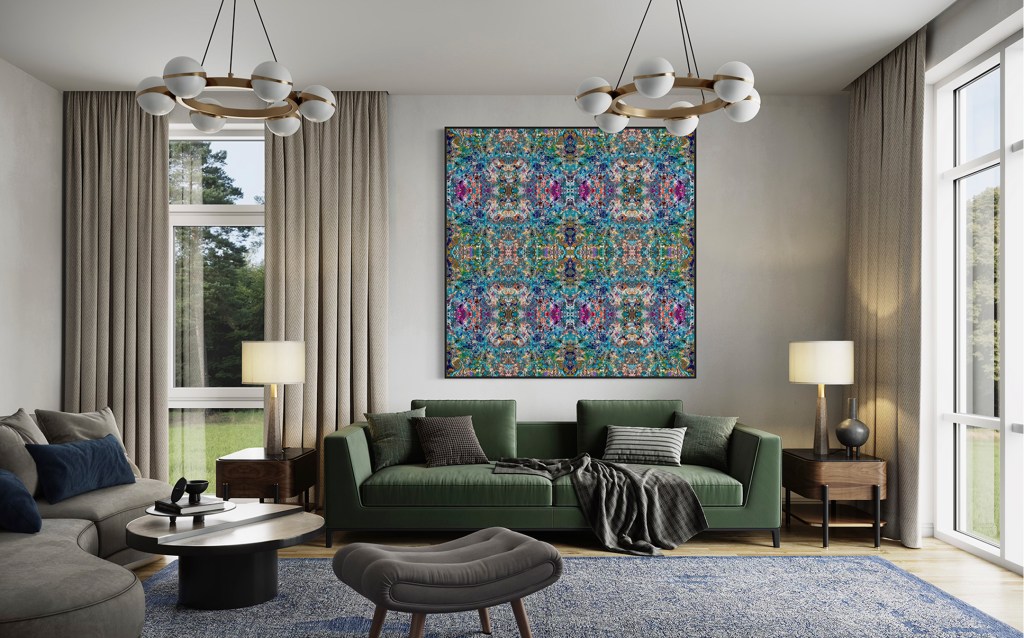
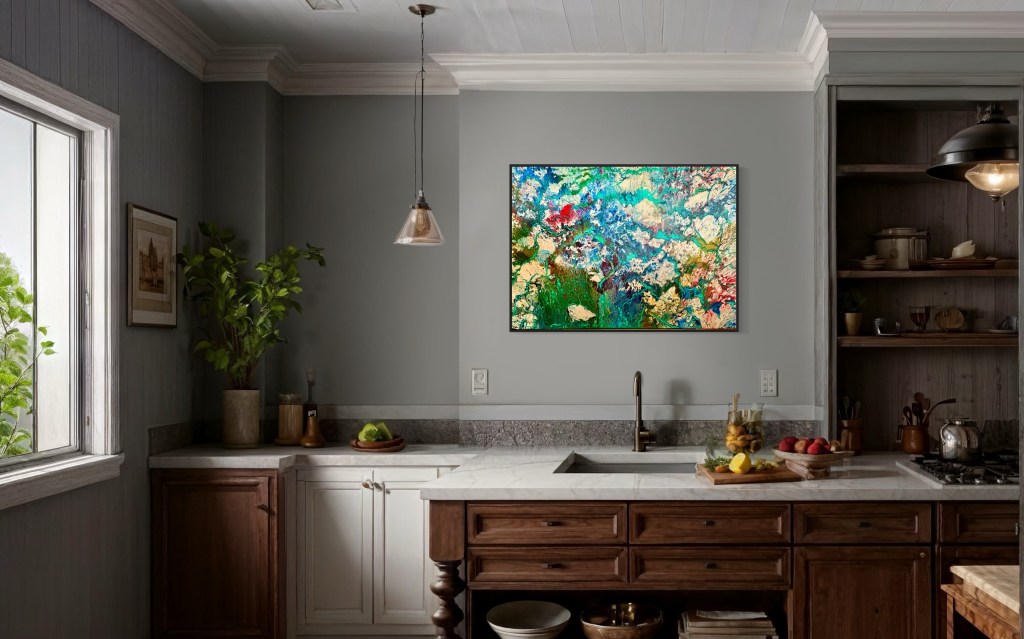
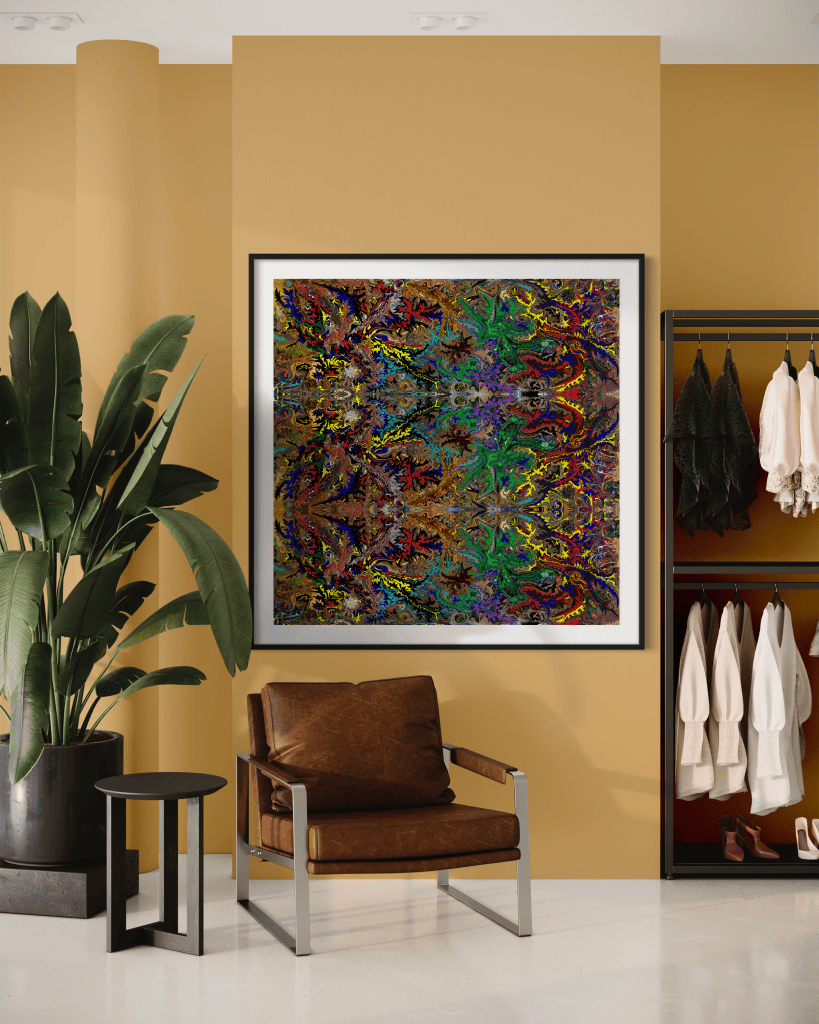
- Wall Color: Choose neutral wall colors like white, gray, and beige. This creates a clean backdrop that doesn’t compete with the art.
- Furniture Placement: Choose furniture that complements the art, not overpowers it. Avoid overcrowding the space.
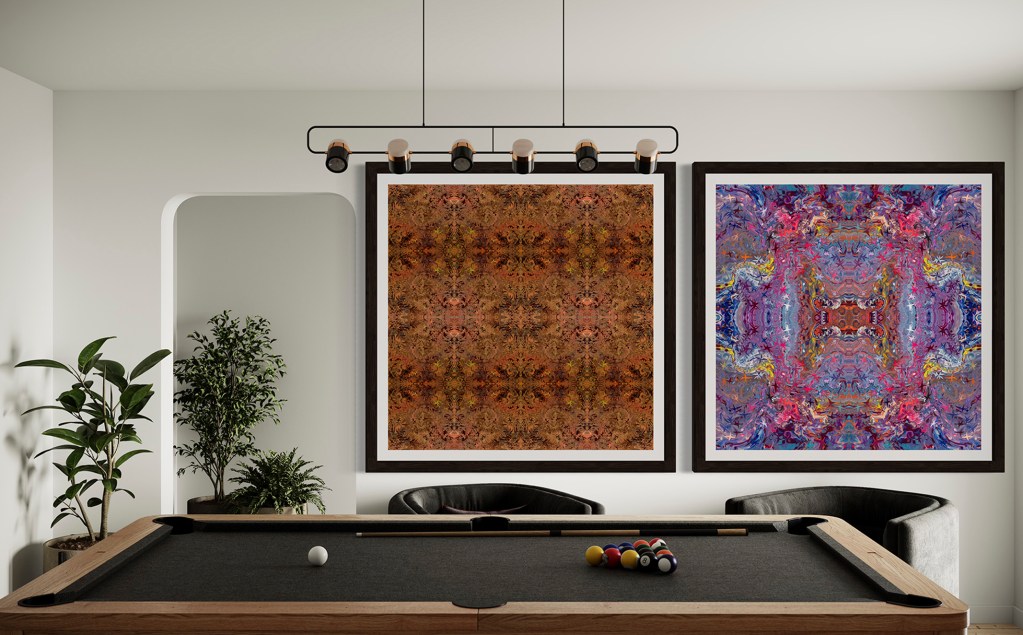
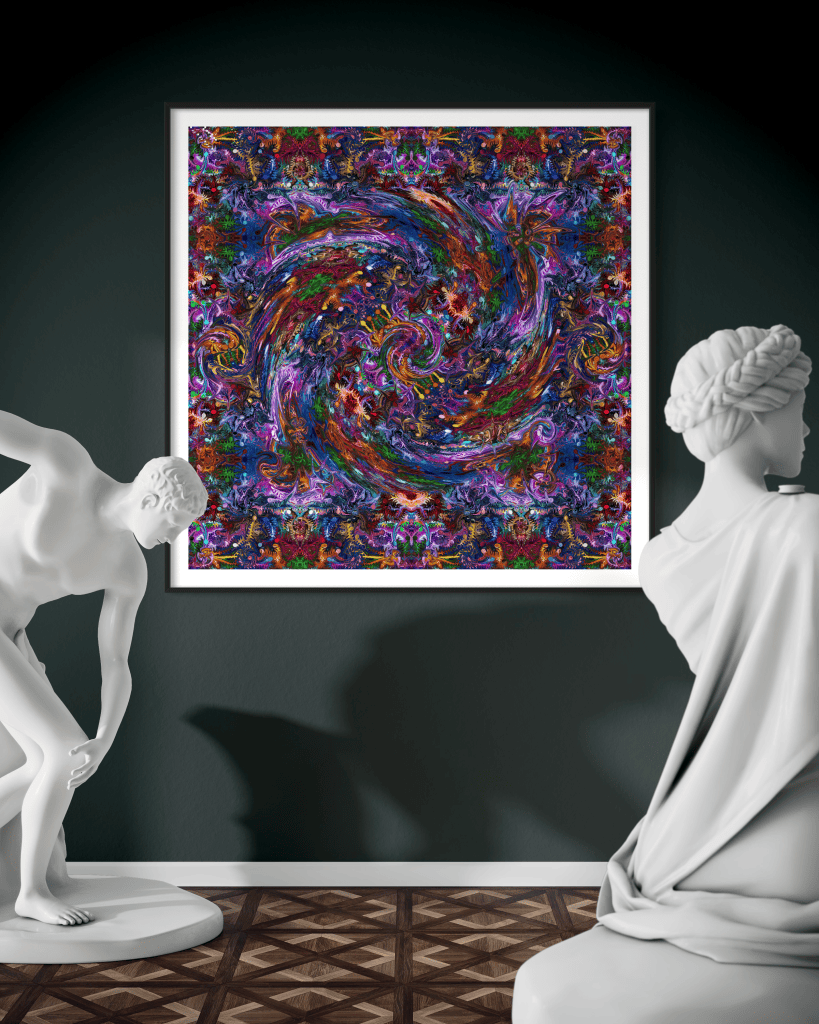
- Grouping: When grouping artwork, leave ample space between pieces to allow each to stand out.
- Varying Heights: Hang artwork at different heights to create visual interest and avoid a monotonous feel.
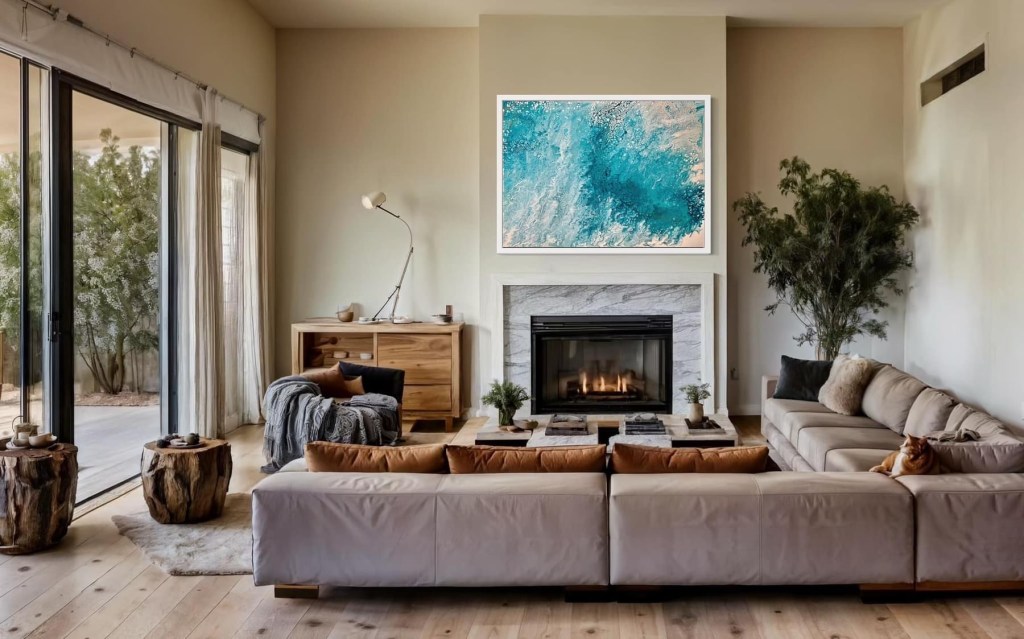
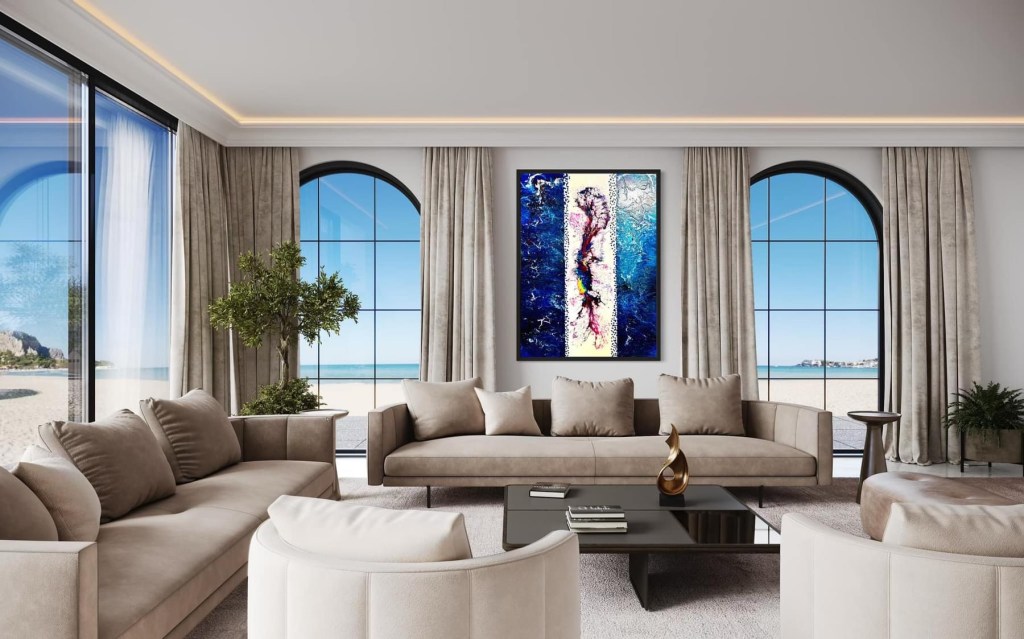

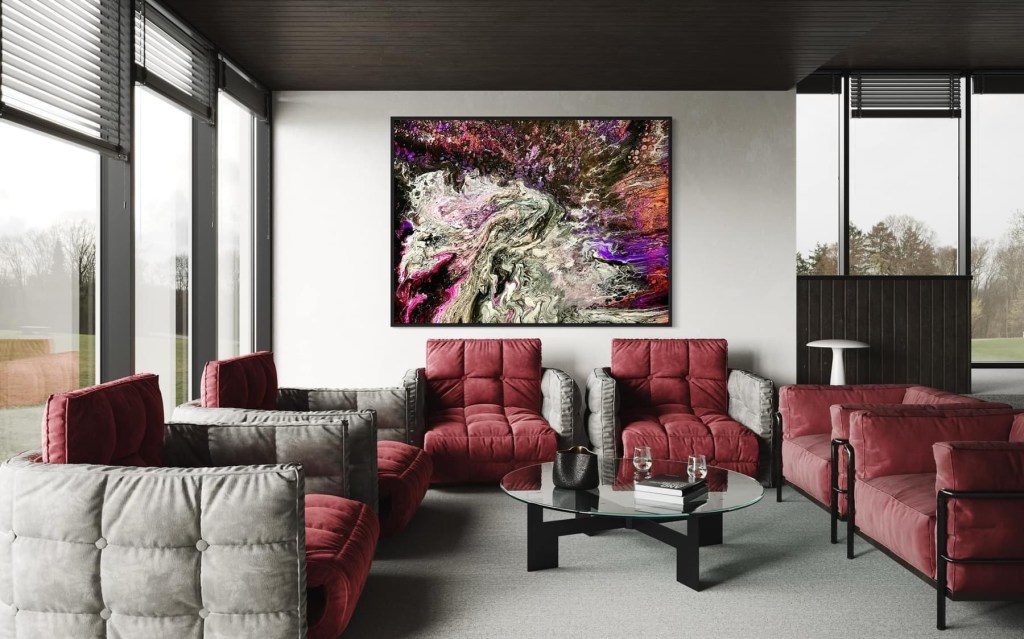









Mastering the Art of Hanging
Proper hanging techniques are essential for showcasing your art and creating a professional gallery feel.
- Eye Level: The general rule is to hang artwork with the center of the piece at eye level. This is approximately 57-60 inches from the floor.
- Wall Anchors: Use appropriate wall anchors for the weight of the artwork to ensure secure hanging.
- Measuring and Leveling: Measure carefully and use a level to ensure artwork is hung straight.
- Grouping Techniques: Salon Style: Hang artwork in a clustered arrangement, varying sizes and orientations for a dynamic look. Grid Style: Create a clean and modern look by hanging artwork in a grid pattern. Linear Style: Align artwork along a horizontal or vertical line for a sense of order.
Lighting: Illuminating Your Collection
Lighting plays a crucial role in how your art is perceived.
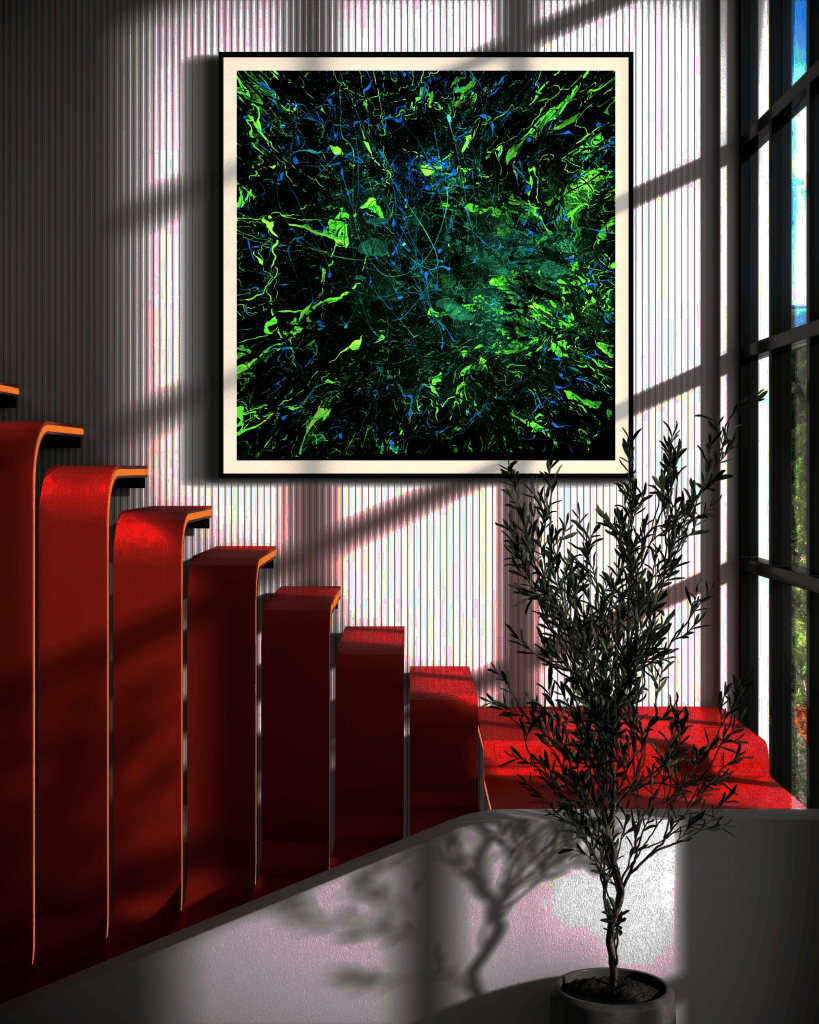
- Natural Light: Maximize natural light where possible, but avoid direct sunlight that can damage artwork. Use sheer curtains or blinds to diffuse harsh rays.
- Artificial Light: Use a combination of ambient lighting (general illumination) and accent lighting (focused on specific pieces).
- Types of Lighting: Track Lighting: Provides flexibility for adjusting light direction. Picture Lights: Attach directly to frames for focused illumination. Recessed Lighting: Offers a subtle and even light distribution.
- Creating Flow and Cohesion
- Traffic Flow: Arrange furniture and artwork to create a natural flow through the space. Avoid bottlenecks or areas where visitors might feel cramped.
- Thematic Grouping: Consider grouping artwork by theme, style, or color palette to create a sense of cohesion and narrative.
- Balance and Symmetry: Use principles of balance and symmetry to create a harmonious and visually pleasing arrangement.
- Adding the Finishing Touches
- Labels and Descriptions: Provide labels with the artist’s name, title of the work, and year of creation. Consider adding brief descriptions to provide context.
- Seating: Provide comfortable seating for visitors to contemplate the artwork and enjoy the gallery space.
- Music and Ambiance: Consider playing soft background music to enhance the atmosphere.

The Psychological Benefits of an Artful Environment
Creating an art gallery in your home or office goes beyond aesthetics. It can have a profound impact on your mood. It also affects the well-being of your guests.
- Stress Reduction: Studies have shown that exposure to art can reduce stress levels and promote relaxation.
- Mood Enhancement: Art can evoke positive emotions. These emotions include joy, contentment, and inspiration. They lift your spirits and create a more positive atmosphere.
- Creativity Boost: Surrounding yourself with art can stimulate creativity and inspire new ideas.
- Cognitive Stimulation: Viewing and interpreting art can engage your brain and enhance cognitive function.
- Social Connection: Art can serve as a conversation starter, fostering connections and creating a sense of community.
The Art of Investment: Enhancing Your Space and Your Portfolio
Beyond the aesthetic and emotional benefits, curating an art gallery in your home or office offers numerous advantages. It can serve as a surprisingly savvy investment strategy. By carefully selecting investment-quality contemporary abstract art, you can enhance your space while potentially growing your wealth over time.
Appreciation Potential: Contemporary abstract art has shown impressive appreciation in recent years. Dowling’s research reports that contemporary art has outperformed the S&P 500 by 16.1% from 1995 to 2021.
Diversification: Art can serve as a valuable addition to a diversified investment portfolio, offering a potential hedge against market volatility.
Tangible Asset: Unlike stocks or bonds, art is a tangible asset. You can enjoy it aesthetically while it potentially appreciates in value.
Long-Term Growth: Art investments typically have a longer-term horizon, allowing for steady growth and potential for significant returns over time.
Tips for Investing in Art:
Research and Due Diligence: Learn about the artists, galleries, and art market trends to make informed decisions.
Focus on Quality: Invest in high-quality artwork with lasting value. Consider factors such as the artist’s reputation, the artwork’s provenance, and its condition.
Seek Expert Advice: Consult with art advisors or appraisers to gain insights and guidance on your art investments.
Diversify Your Collection: Invest in a variety of artists and styles to spread risk and potentially maximize returns.
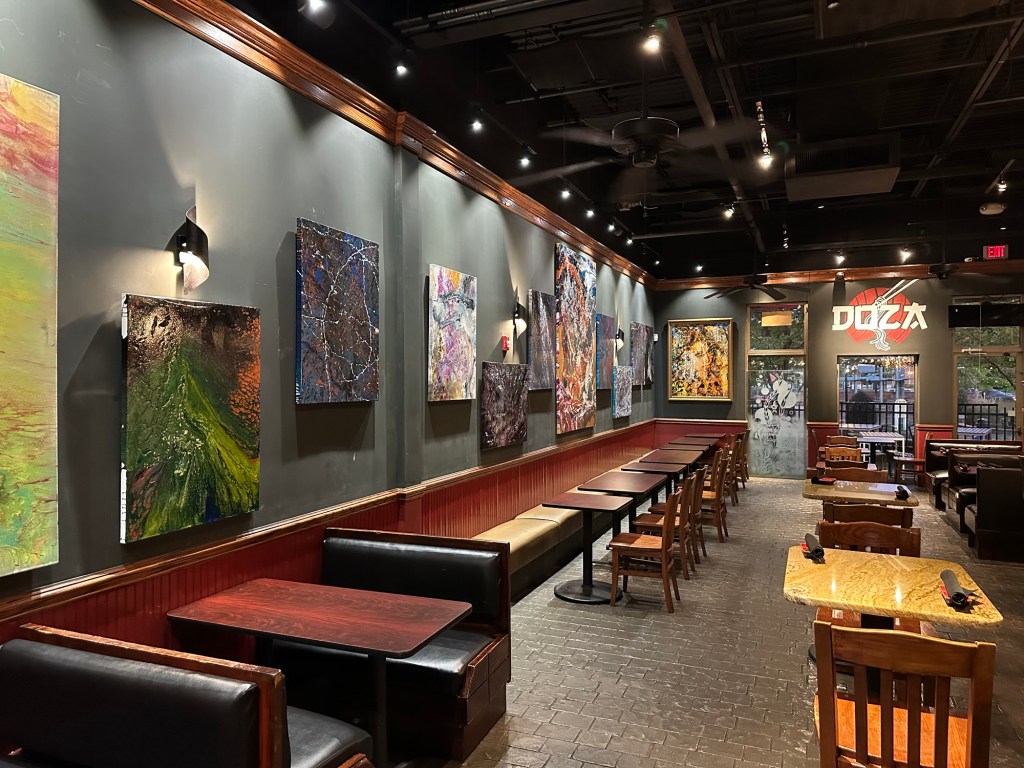
Real-World Examples:
Emerging Artists: Investing in emerging artists early in their careers can yield significant returns. This is possible if their work gains recognition and value.
Established Artists: Works by established artists have a proven track record of market success. These can offer more stability. They also have potential for long-term appreciation.
Limited Editions: Limited edition prints or sculptures can be a good entry point for art investment. They offer exclusivity and have potential for value growth.
Add investment-quality contemporary abstract art strategically to your home or office gallery. You can create a space that not only inspires and delights. It also serves as a savvy financial investment. It’s a harmonious blend of aesthetics, well-being, and financial potential, transforming your space into a haven of art and opportunity.
Curating a thoughtfully designed art gallery in your space showcases your artistic taste. It also cultivates an environment that promotes well-being. It sparks creativity and enhances the overall experience for yourself and your guests.
Transforming your home or office into a captivating art haven requires more than just hanging pictures on the wall. It’s an art form in itself, and that’s where a professional artist can make all the difference.
Why Choose a Professional Artist?
- Expert Eye and Vision: Artists possess an innate understanding of aesthetics, composition, and the nuances of visual display. They can envision how different artworks will interact with each other. They also consider how artworks interact with your space. This creates a cohesive and harmonious gallery experience.
- Technical Expertise: Artists have a deep knowledge of art handling, framing, and installation techniques. They can ensure your artwork is displayed securely and presented in its best light, protecting its value and longevity.
- Curatorial Skills: A professional artist can assist you in selecting artwork that suits your style. They will consider your budget and the overall aesthetic of your space. They can guide you through the art world, introducing you to emerging artists, hidden gems, and investment-worthy pieces.
- Space Optimization: Artists understand how to maximize the impact of your artwork within your space. They can strategically utilize negative space, lighting, and furniture placement to create a balanced and visually engaging environment.
- Personalized Touch: A professional artist can create a truly personalized art experience tailored to your unique preferences and vision. They help you tell your story through art. The artist creates a space that reflects your personality. This space inspires those who enter.

Benefits of a Professionally Curated Art Gallery:
- Enhanced Aesthetics: Your home or office will be transformed into a visually stunning and inspiring space.
- Increased Property Value: A well-curated art collection can significantly increase the value of your property.
- Improved Mood and Well-being: Art has been shown to reduce stress, enhance mood, and promote creativity.
- Social Connection: An art gallery can serve as a conversation starter and a focal point for social gatherings.
- Investment Potential: Investing in art can diversify your portfolio and potentially yield significant returns over time.
John Dowling: Your Partner in Artful Transformation
John Dowling is a professional artist with a diverse background in painting. He also has experience in photography and digital art. He is uniquely qualified to curate and install your home or office art gallery. He brings a wealth of experience, technical expertise, and a passion for creating captivating art experiences.


