

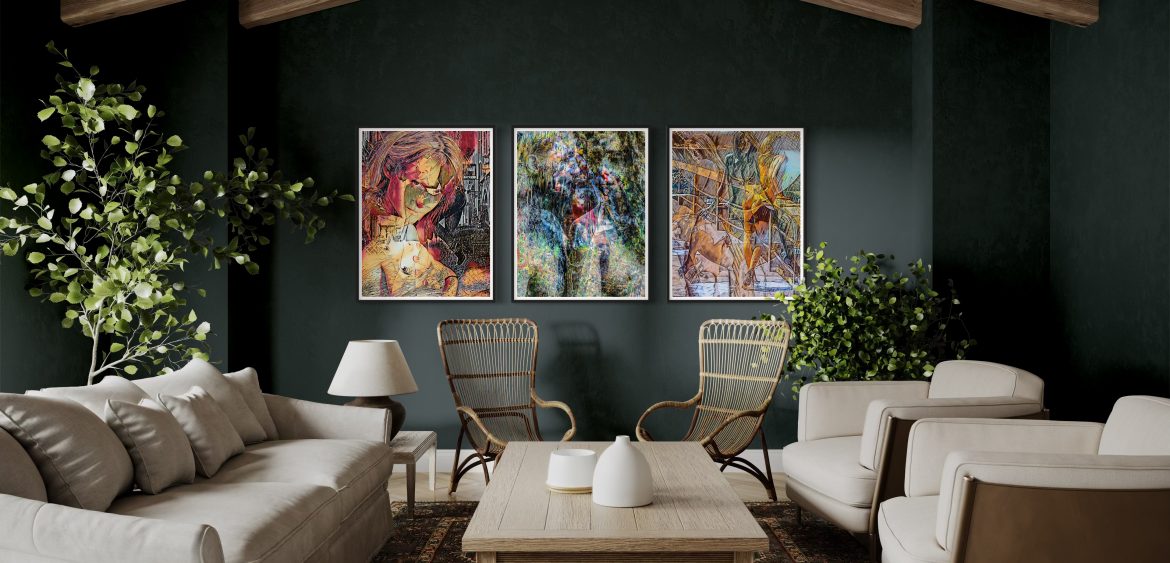
Dowling’s Contemporary Abstract Art has Innovative Designs at Unbeatable Prices
The secondary art market, where artworks are resold, often sees astronomical prices that can seem baffling to the average person. Scarcity and historical significance play a role. However, high prices are influenced by a complex web of factors. These include market manipulation and the subjective tastes of powerful collectors.
The Illusion of Value:
While art can appreciate in value, treating it solely as a financial investment is misguided. Unlike stocks or real estate, the art market is largely unregulated and opaque. Prices are often driven by subjective opinions, trends, and the whims of a select group of influential collectors and dealers.
Manipulation and the Status Quo:
Established collectors often dominate the secondary market. They have a vested interest in maintaining the value of their existing holdings. They may use their influence and financial power to manipulate the market through practices like:
- Self-Dealing: Bidding on their own pieces at auctions to create artificial demand and inflate prices.
- Influencing Appraisals: Exerting pressure on appraisers to assign high valuations to their collections, regardless of true market value.
- Controlling the Narrative: They use their connections in the art world to promote certain artists or styles. Often, these align with their existing holdings. They downplay or ignore others.


This manipulation can create a self-fulfilling prophecy. Artworks favored by influential collectors become highly sought-after. This occurs even if their artistic merit is questionable by today’s standards. This can lead to a disconnect between true artistic value and market value. Many artists and art lovers feel alienated from the art market.
A Shift Towards Emerging Artists and New Aesthetics:
Fortunately, there’s a growing movement among a new generation of collectors who are challenging the status quo. They are drawn to emerging artists who are pushing the boundaries of creative expression, embracing new technologies and multi-disciplinary approaches. These collectors value innovation, originality, and art that reflects the complexities of our contemporary world.
This shift represents a potential turning point in the art market. It marks a move away from the manipulation and subjective tastes of the established elite. Instead, it embraces a more inclusive and diverse art ecosystem. The secondary market may still be influenced by speculative forces. However, the appreciation for emerging artists and new aesthetics is growing. This trend offers a refreshing alternative. It’s driven by genuine artistic passion and a desire to connect with meaningful and relevant art.
In Conclusion:
The secondary art market may seem alluring with its high prices. It holds potential for profit. However, it’s essential to approach it with a critical eye. The true value of art goes beyond its monetary worth. It also lies in its ability to inspire us. Art challenges us and connects us to the human experience. By supporting emerging artists, we can enhance a vibrant art world. Embracing new forms of creative expression leads to a more authentic art world. This approach values artistic merit over market manipulation.
The Emperor’s New Palette: Why Rothko and Warhol Might Be the Art World’s Biggest Overpriced Bubble
Let’s face it: staring at a Rothko involves looking at a few blocks of color on a canvas. Observing a Warhol presents a mass-produced soup can. These experiences can leave many wondering, “Is this really worth millions?” Their historical significance is undeniable. However, the astronomical prices these artists command on the secondary market suggest artificial inflation. People desperately cling to an outdated art world hierarchy.
The Cult of Celebrity and Market Manipulation:
The art market at the high end resembles a playground for the ultra-wealthy. It does not genuinely reflect artistic merit. Rothko and Warhol are enshrined in the museum halls of the elite. They have become status symbols. Their works are treated like luxury commodities rather than expressions of creative genius.
Powerful collectors, with their vested interests and deep pockets, manipulate the market to maintain the value of their holdings. They engage in self-dealing. They bid on their own pieces at auctions to create a false sense of demand. This inflates prices. Appraisers are eager to appease these influential figures. They play along by assigning exorbitant valuations. These valuations bear little relation to the works’ actual artistic significance.
The Emperor Has No Clothes (and His Art is Bland):
Let’s be honest, Rothko’s blurry rectangles and Warhol’s repetitive prints, while groundbreaking in their time, now feel stale and uninspired. They represent a bygone era of the art world. This era prioritized shock value and conceptualism. It overlooked genuine aesthetic beauty and emotional depth.
Yet, the art establishment, clinging to its outdated hierarchies, continues to prop up these artists as untouchable icons. Museums, auction houses, and critics often rely on wealthy patrons. They perpetuate the myth of their enduring relevance. This creates a self-fulfilling prophecy of inflated prices and artificial scarcity.
A New Generation Demands More:
Thankfully, a new wave of collectors and artists is emerging, challenging the status quo and demanding more from art. They seek works that resonate with contemporary sensibilities, embracing innovation, diversity, and multi-disciplinary approaches. They value art that speaks to the human experience, not just the bank accounts of the elite.
The art market may continue to be plagued by manipulation and inflated prices. However, the growing appreciation for emerging artists offers hope. New forms of expression provide hope for a more authentic and inclusive art world. One where true artistic merit, not market hype, determines value.
So, the next time you see a Rothko or Warhol fetching millions, ask yourself: Is this truly a masterpiece? Or is it just another emperor parading around in his overpriced, outdated birthday suit?
Beyond the Hype: Why John Dowling’s Art Offers True Value in a Market Obsessed with Outdated Icons
The art world often feels like a playground for the ultra-rich. Inflated prices and outdated aesthetics reign supreme. Names like Warhol and Rothko are tossed around like gold bullion. Their works fetch astronomical sums. Yet, many question their relevance to contemporary tastes. But what if there’s a better way to invest in art? What if you could acquire pieces that are not only visually stunning but also genuinely innovative and reasonably priced?
Enter John Dowling, an artist who defies the tired tropes of the established art scene. His work is a vibrant fusion of traditional techniques. It also incorporates cutting-edge digital processes. This combination results in abstract masterpieces that are both captivating and accessible.
Dowling vs. the Old Guard:
- Warhol’s Mass Production vs. Dowling’s Originality: While Warhol’s prints feel like manufactured commodities, Dowling’s works are meticulously crafted. Each one is a unique expression of his artistic vision. He combines the spontaneity of acrylic pouring. He pairs it with the precision of digital manipulation. His creations are both dynamic and meticulously detailed.
- Rothko’s Simplicity vs. Dowling’s Complexity: Rothko’s color fields, while impactful in their time, can feel simplistic and stagnant compared to Dowling’s vibrant compositions. Dowling’s work draws inspiration from the likes of Van Gogh. He uses swirling textures and expressive brushwork. His art is also influenced by Dalí, known for dreamlike imagery and unexpected juxtapositions. The result is art that is both visually arresting and intellectually stimulating.
- Overpriced Icons vs. Value-Driven Investment: The prices of Warhol and Rothko’s works are driven by hype. Market manipulation further affects their pricing. In contrast, Dowling’s art offers genuine value. His limited edition prints and original paintings are priced affordably, allowing collectors to acquire museum-quality pieces without breaking the bank. And with his growing reputation and innovative approach, Dowling’s art is poised for significant appreciation over time.
Why Choose John Dowling?
- A Bridge Between Tradition and Technology: Dowling seamlessly blends traditional painting techniques with cutting-edge digital processes. This creates art that is both timeless and contemporary.
- A Master of Texture and Light: His works are rich in texture and depth. They feature shimmering highlights and captivating details. These elements draw the viewer in.
- A Visionary Artist: Dowling’s unique approach to abstract art challenges conventions and pushes the boundaries of creative expression.
Invest in the Future of Art:
Don’t fall prey to the overpriced and outdated art market. Invest in John Dowling’s innovative and value-driven art. Acquire pieces that will enhance your space. They will also appreciate in value over time. His work shows the enduring power of creativity. It provides a refreshing alternative to the tired tropes of the established art world.


1 Comments: