

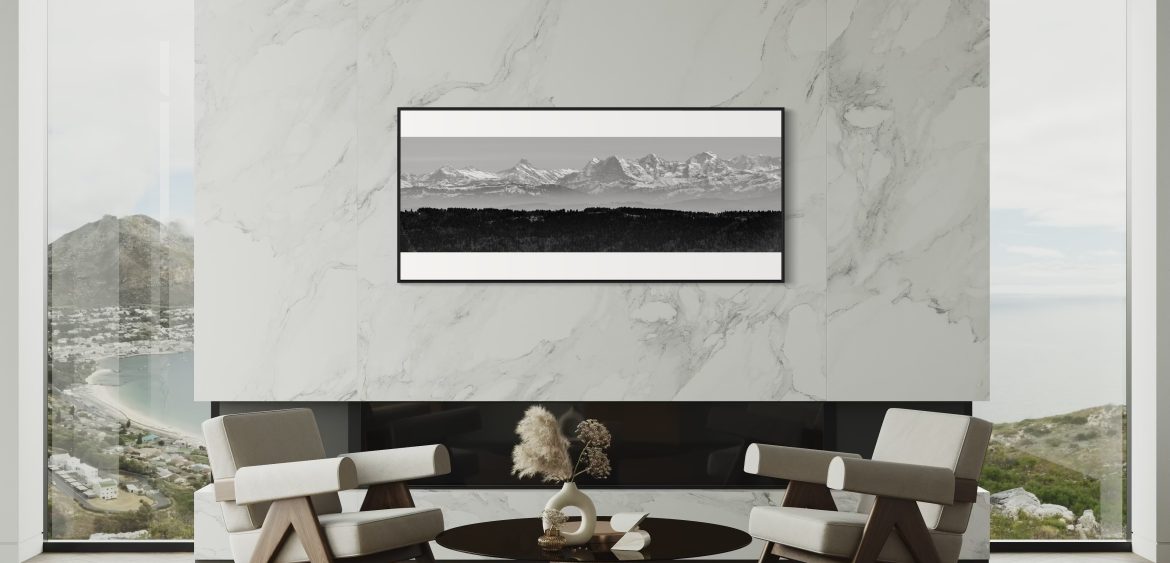
As an artist, understanding the preferences of interior designers and architects can significantly impact your career. These design professionals are constantly on the lookout for unique and captivating pieces to enhance their projects. Here’s a breakdown of what they typically look for in both the artist and their artwork:
The Artist’s Aesthetic
- Unique Style: Designers are drawn to artists with a distinctive style. Whether it’s bold and abstract or delicate and minimalist, a strong personal aesthetic sets you apart.
- Versatility: The ability to adapt to different styles and themes is highly valued. While a signature style is important, flexibility allows you to cater to a wider range of projects.
- Consistent Quality: Keep a consistent level of quality in your work from concept to execution. This builds trust and credibility with designers.


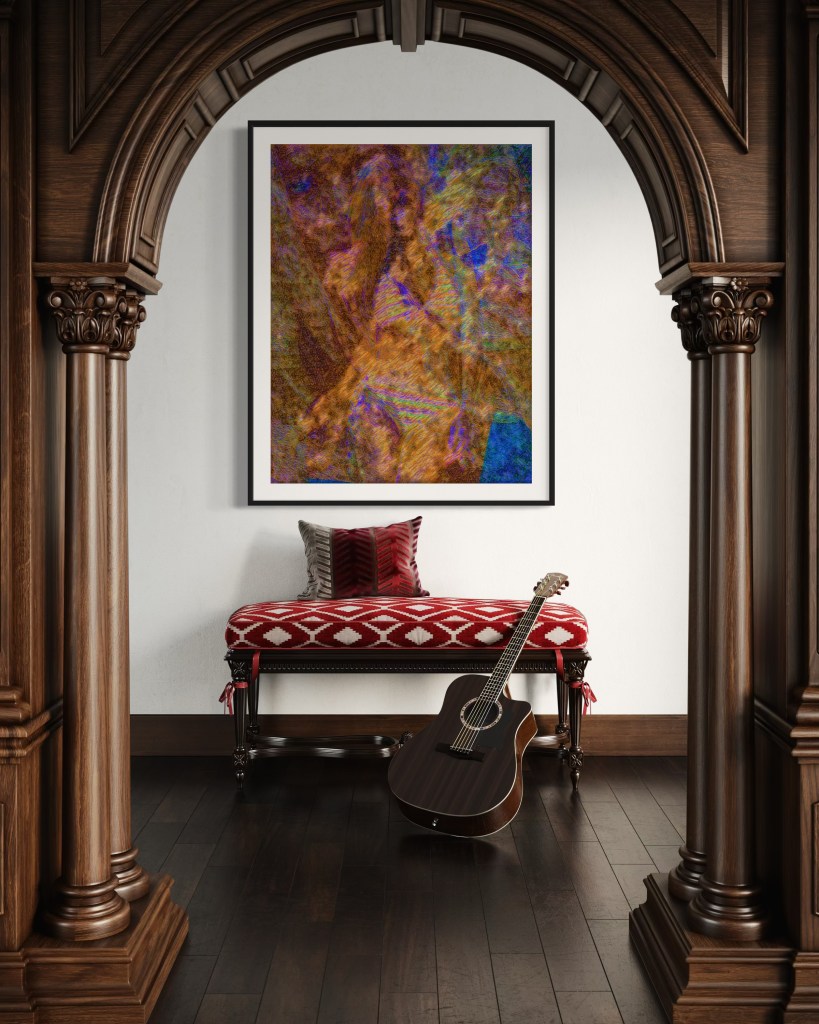

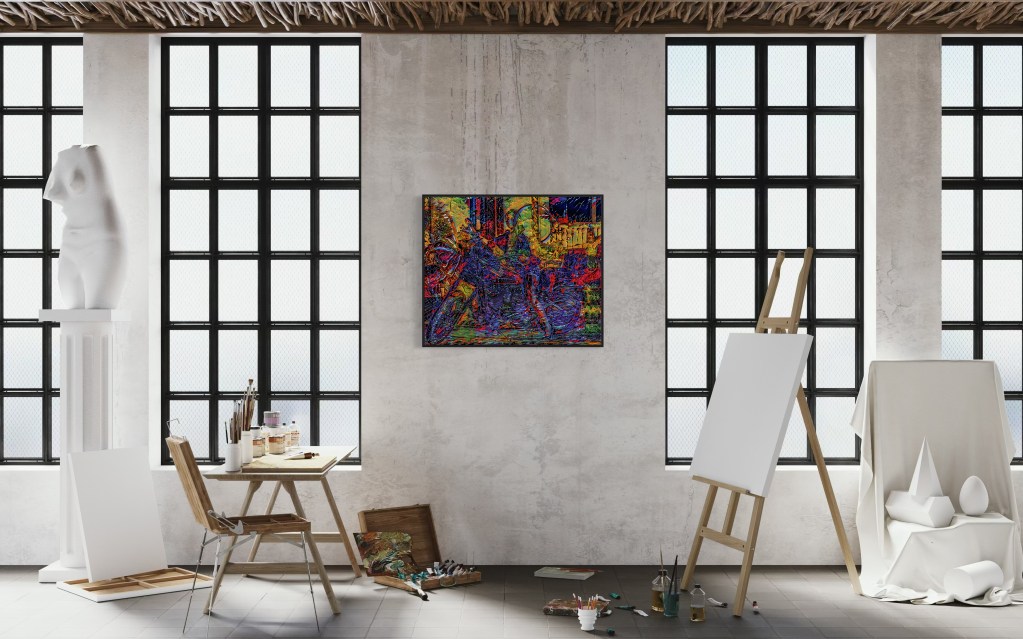
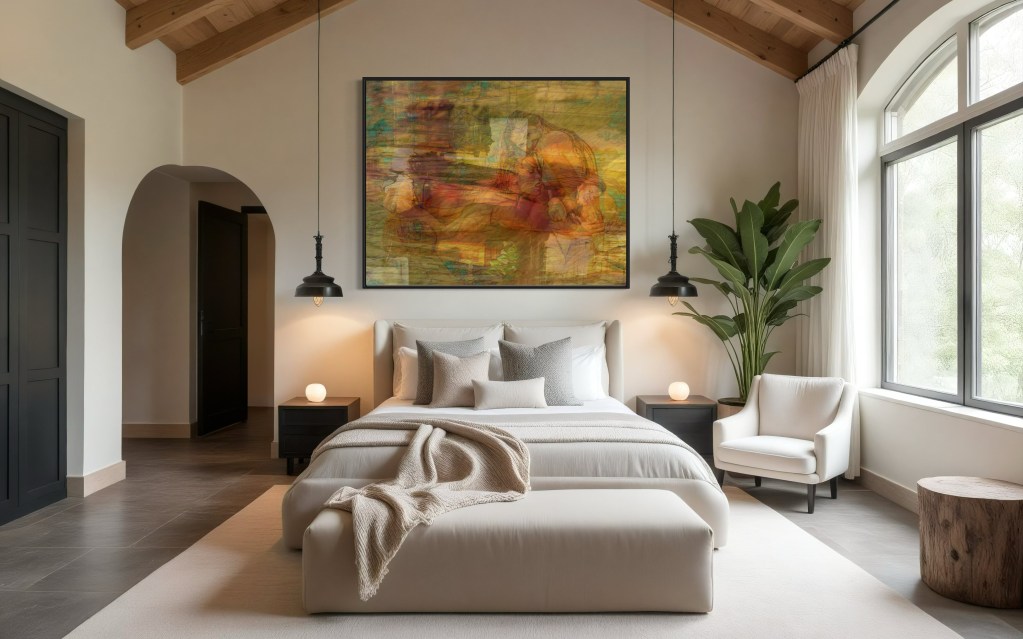
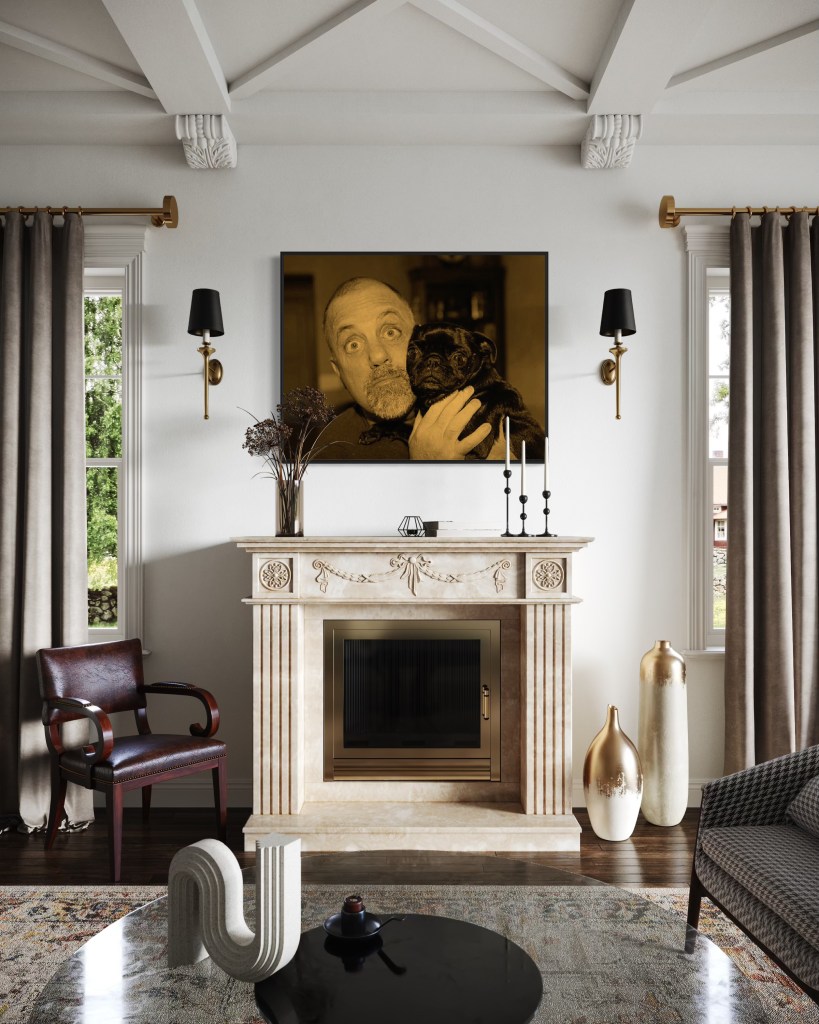
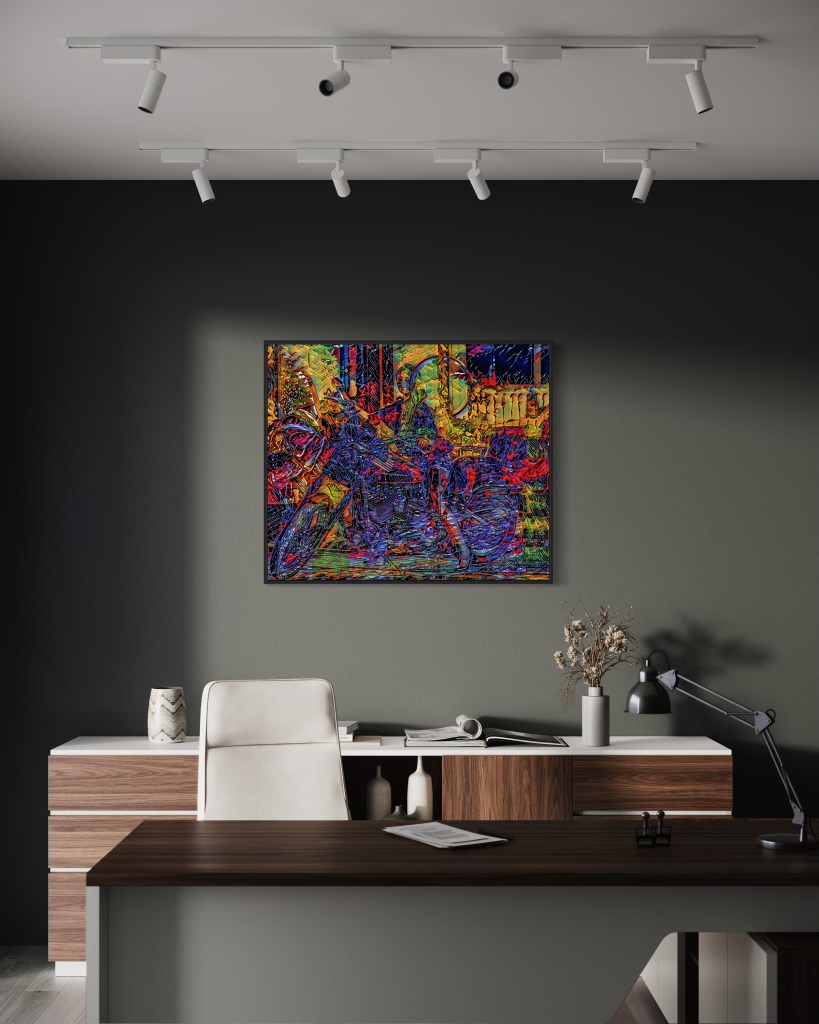
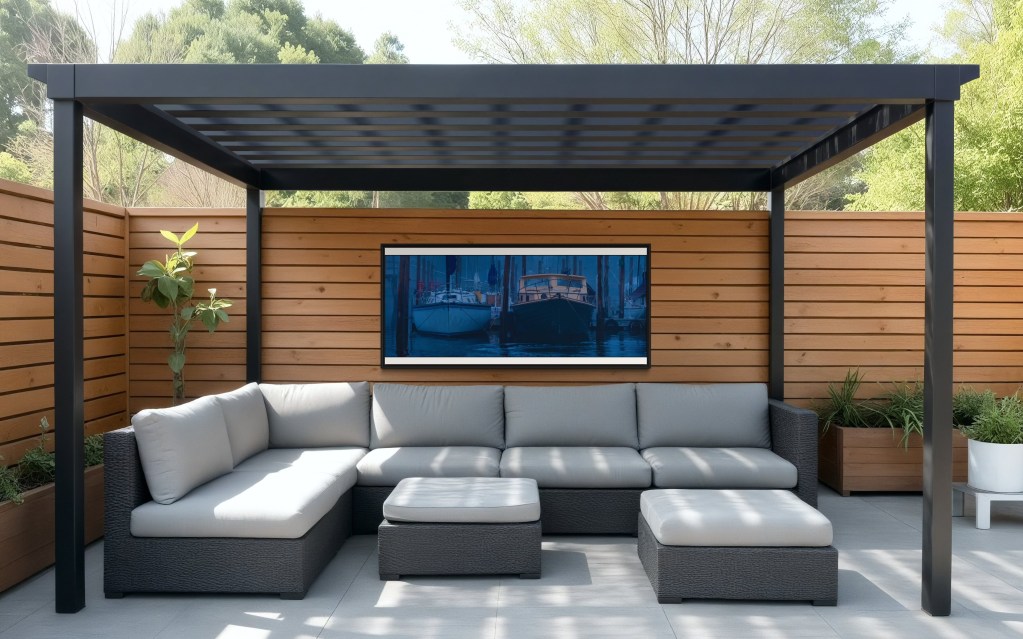

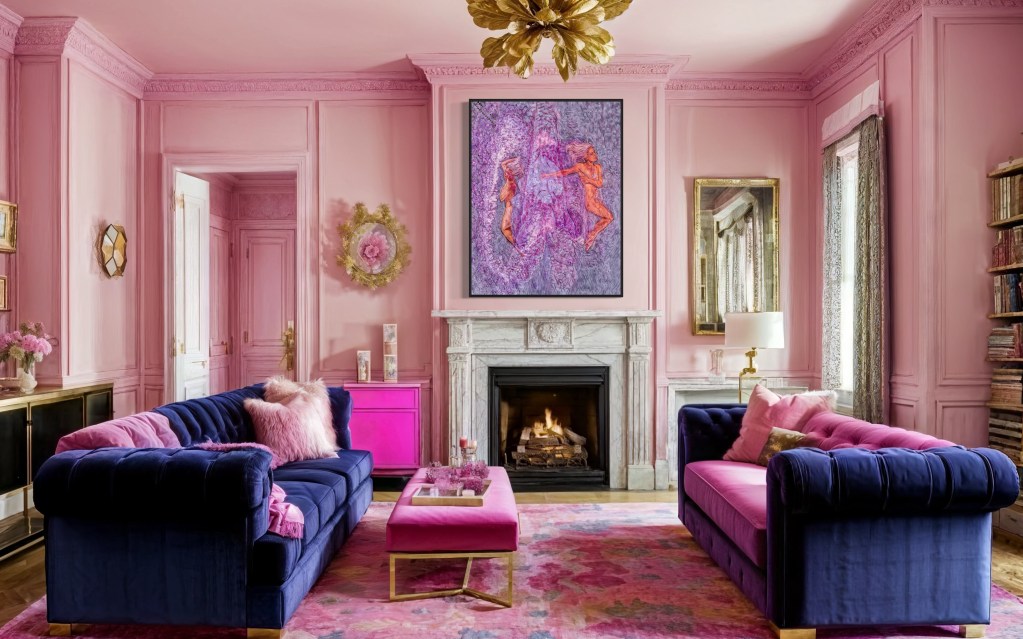
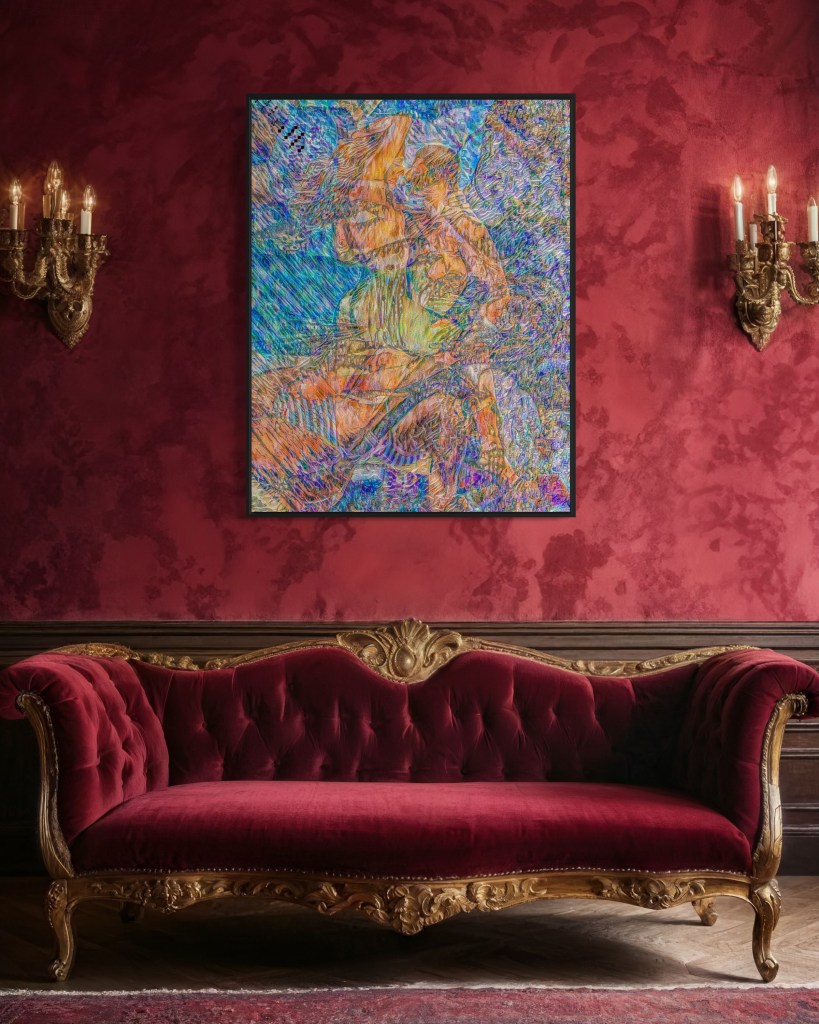
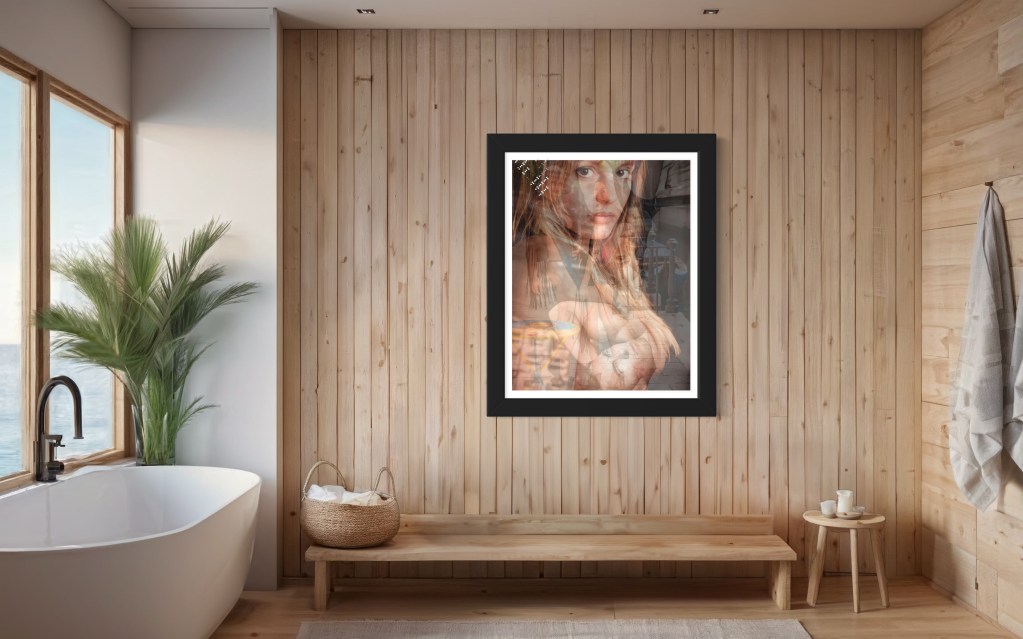
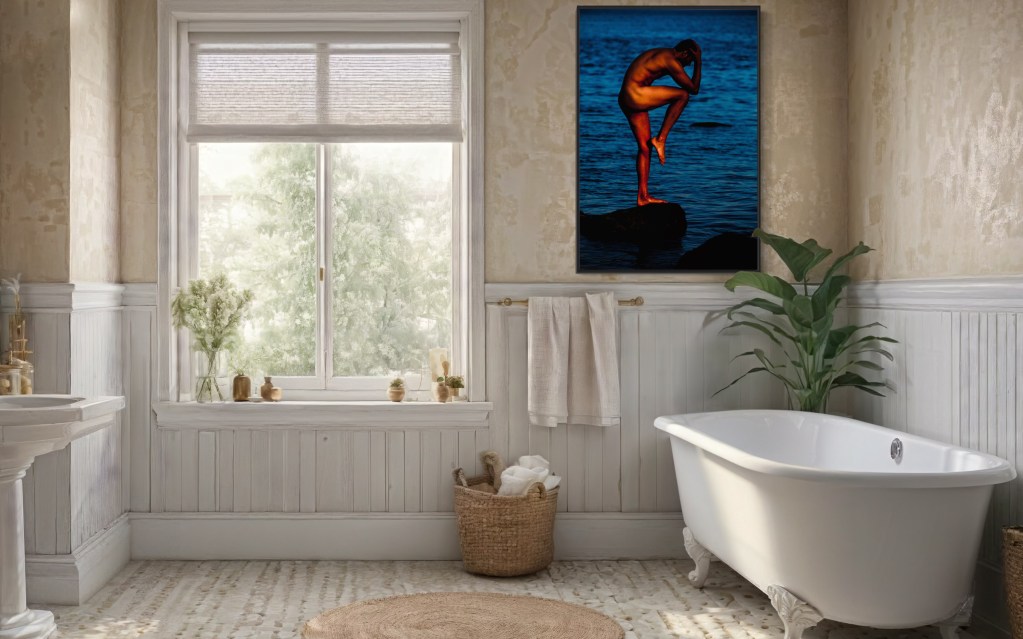
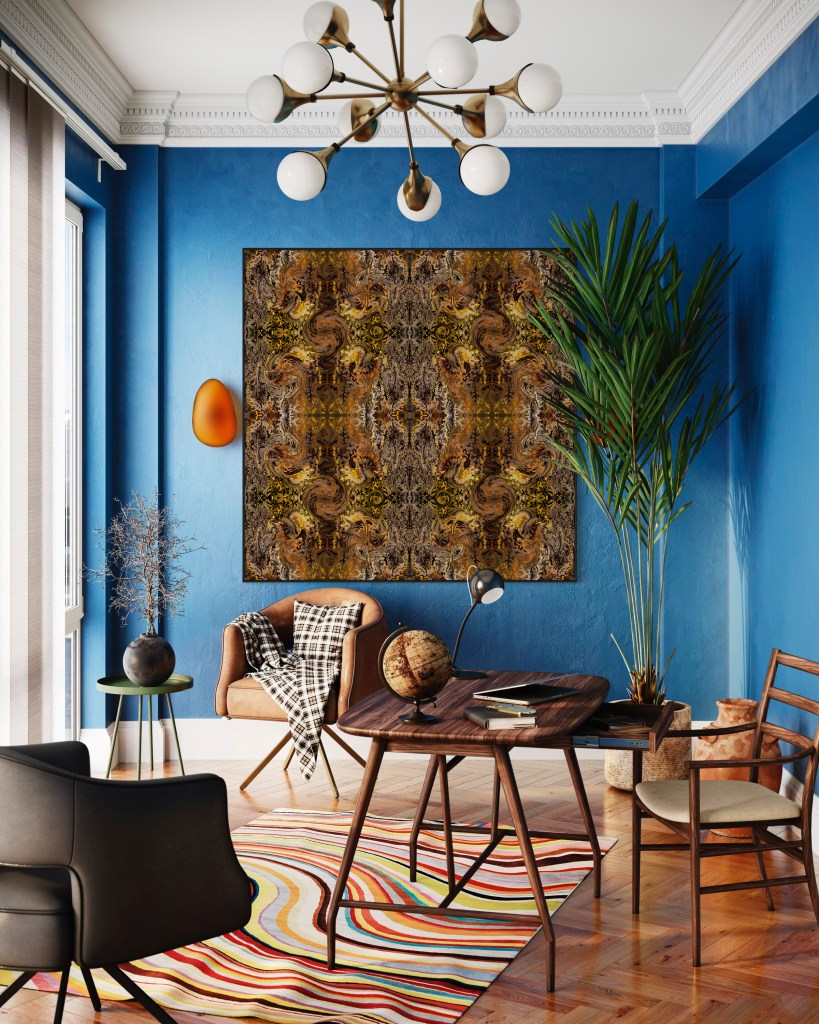

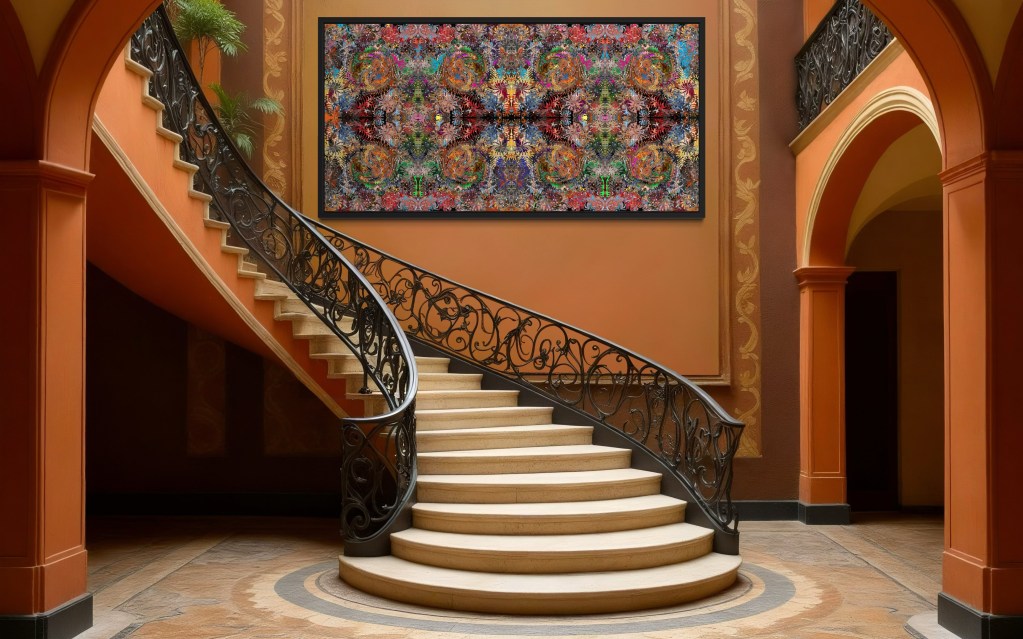



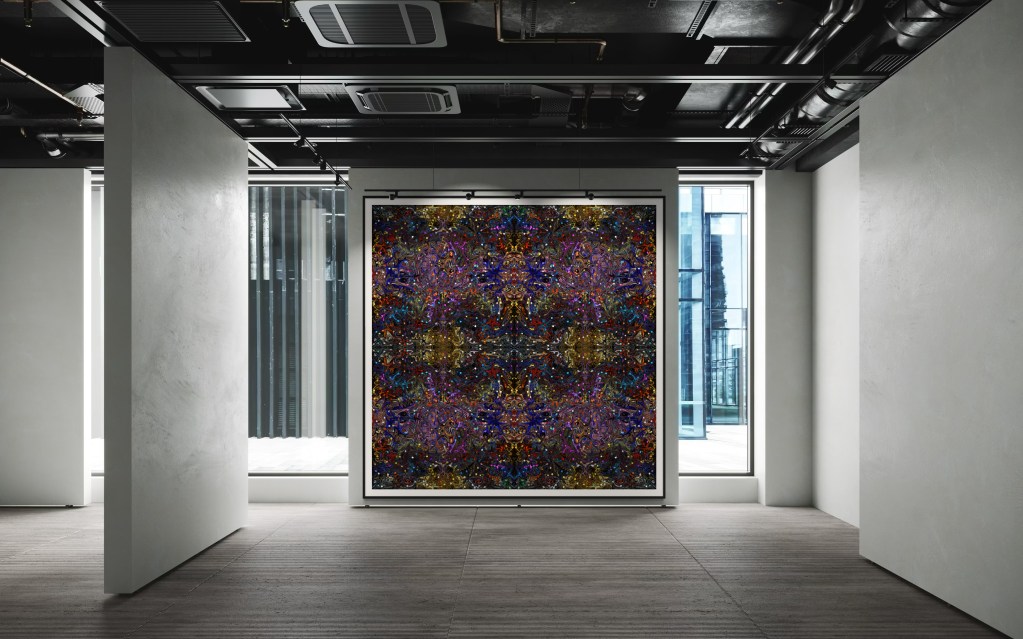

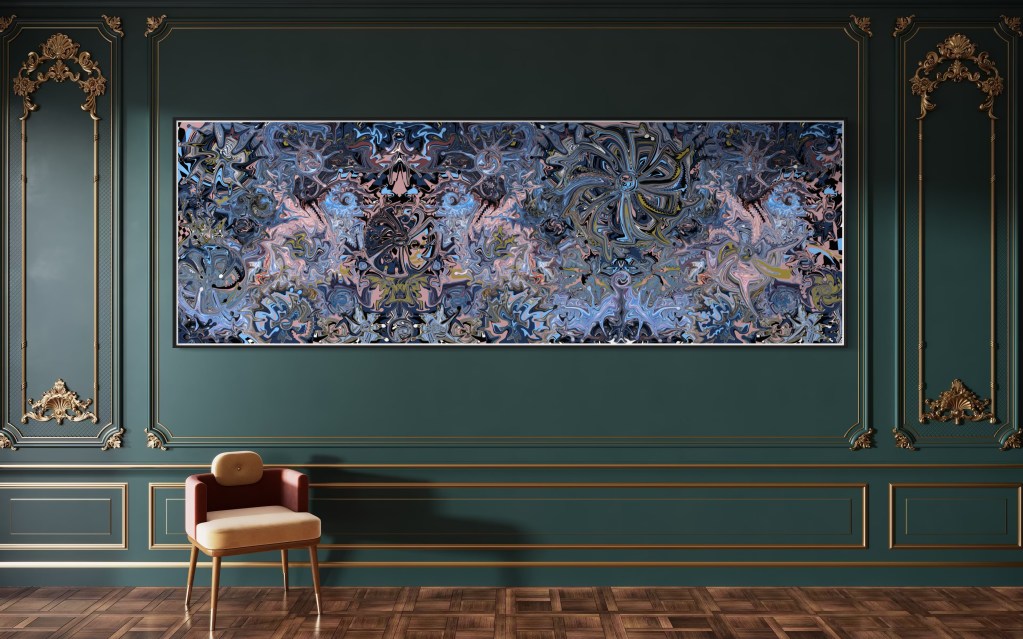
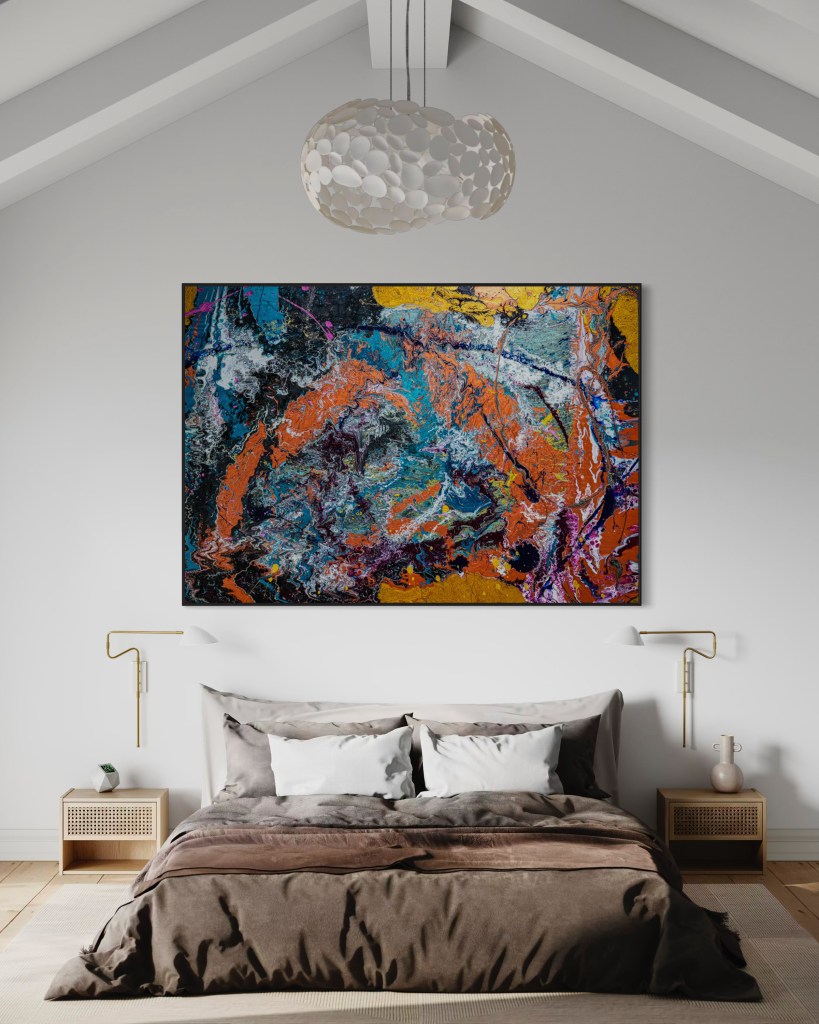
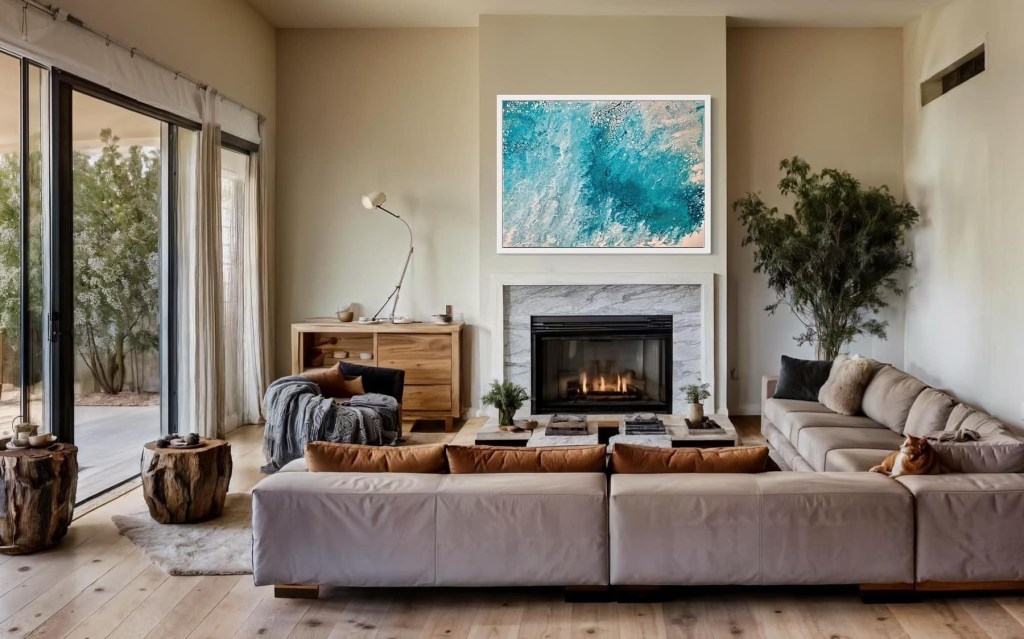

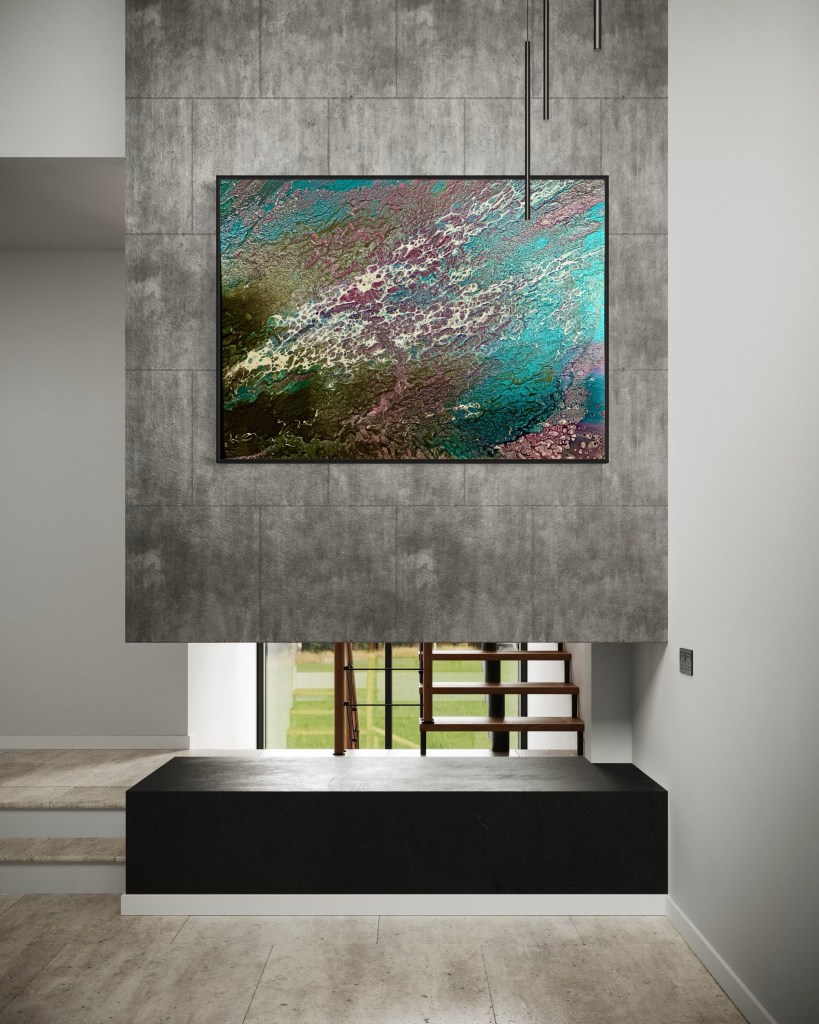

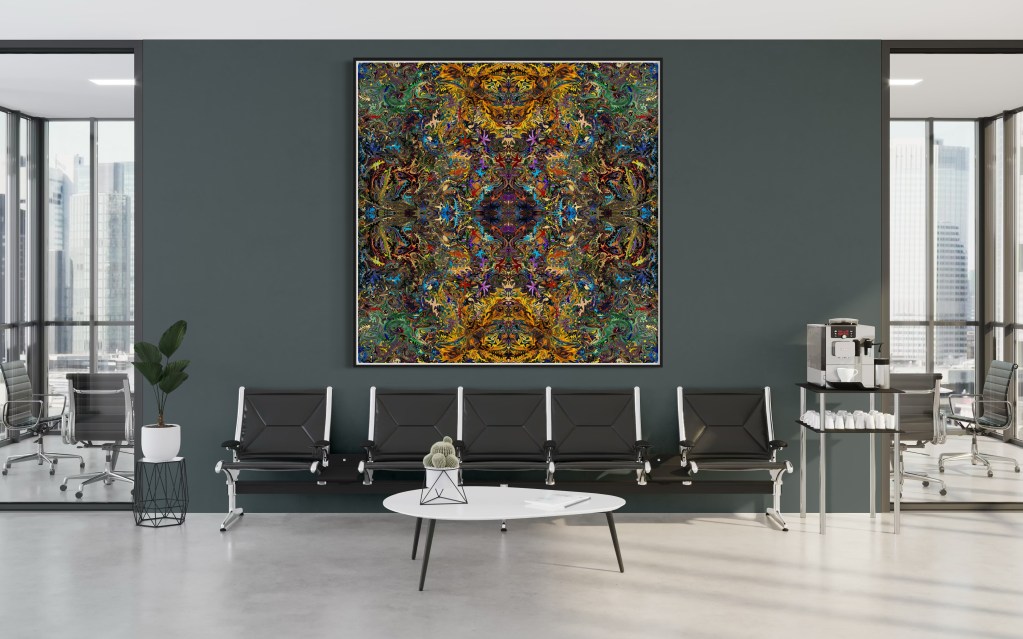
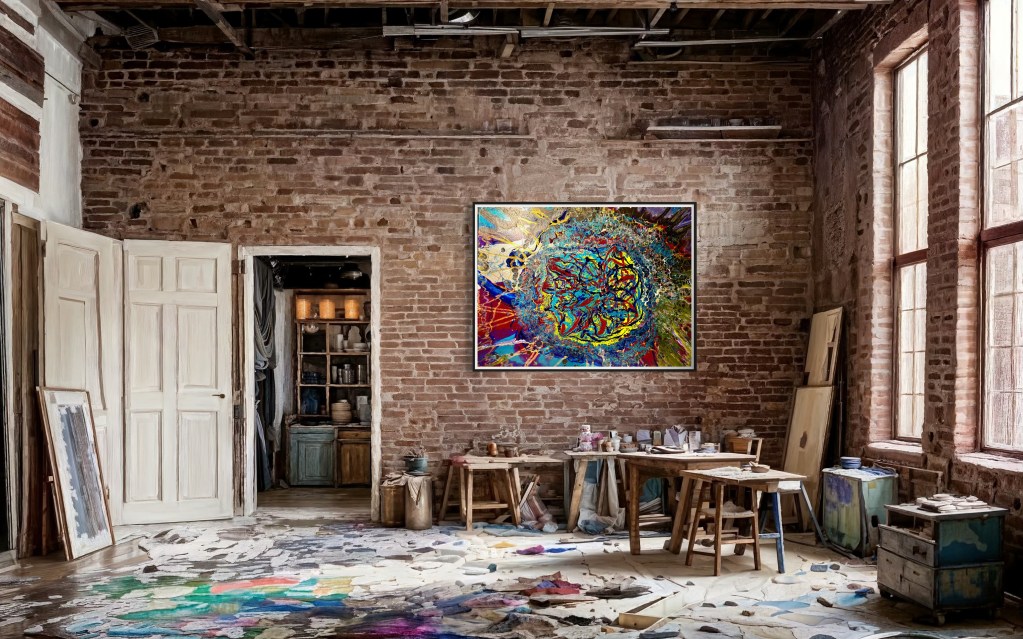

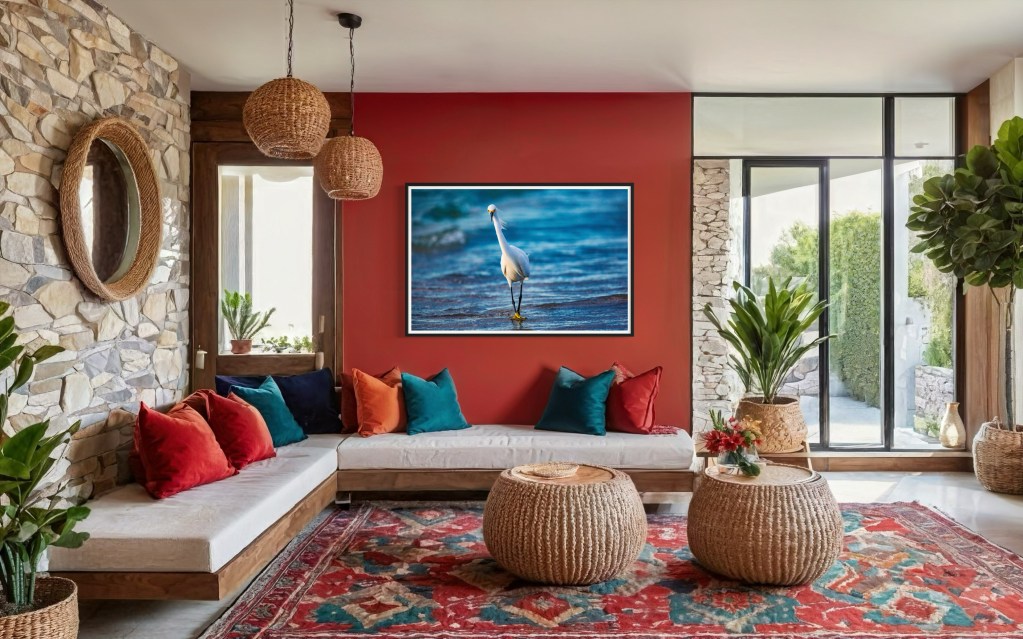
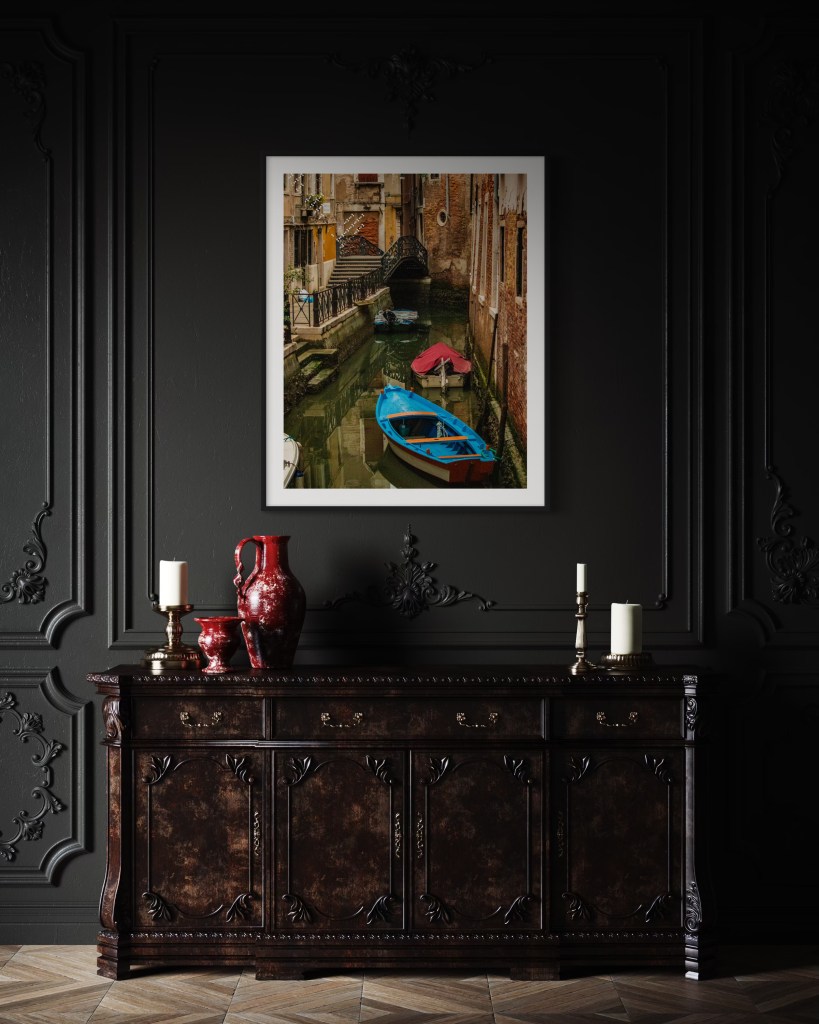
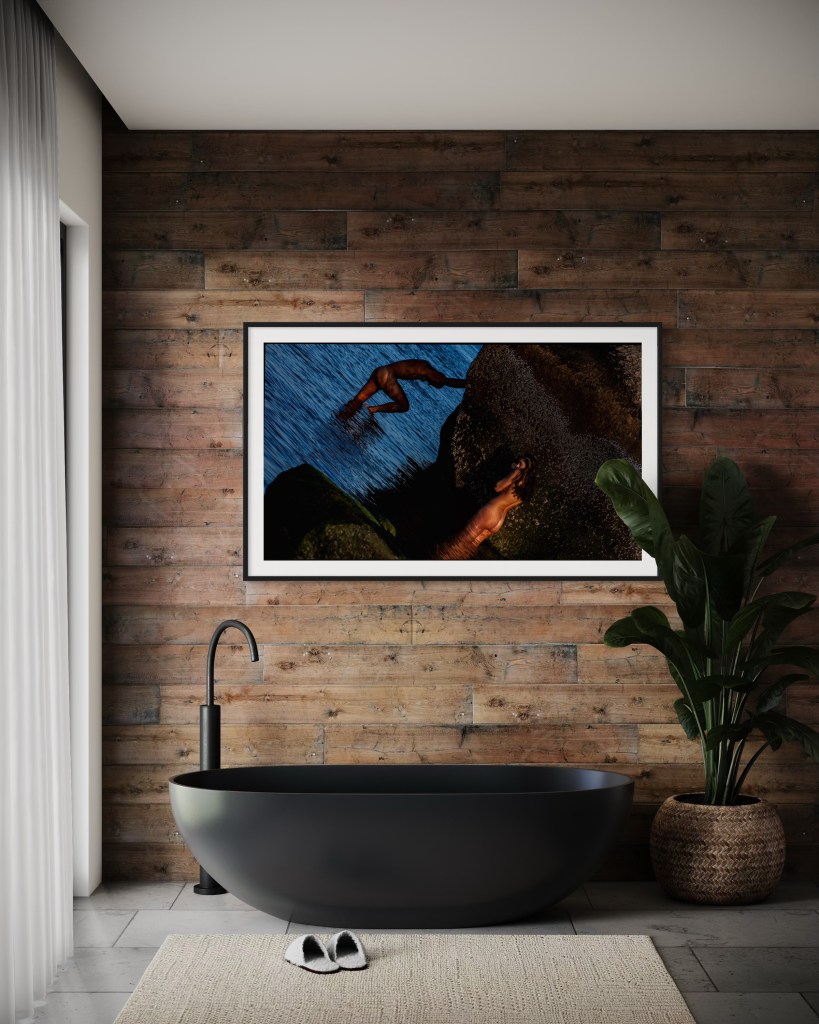

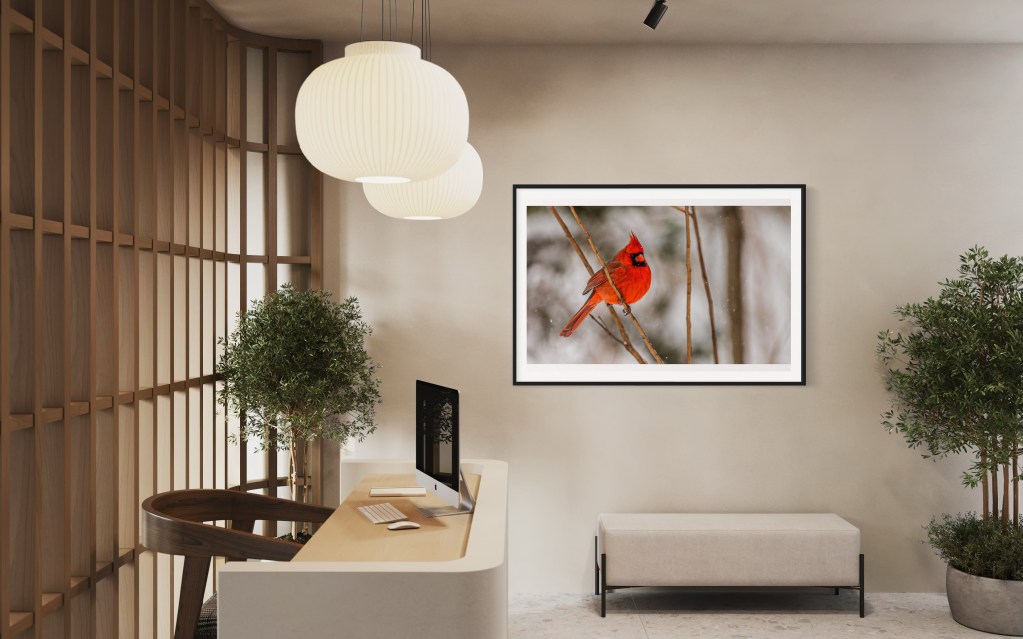

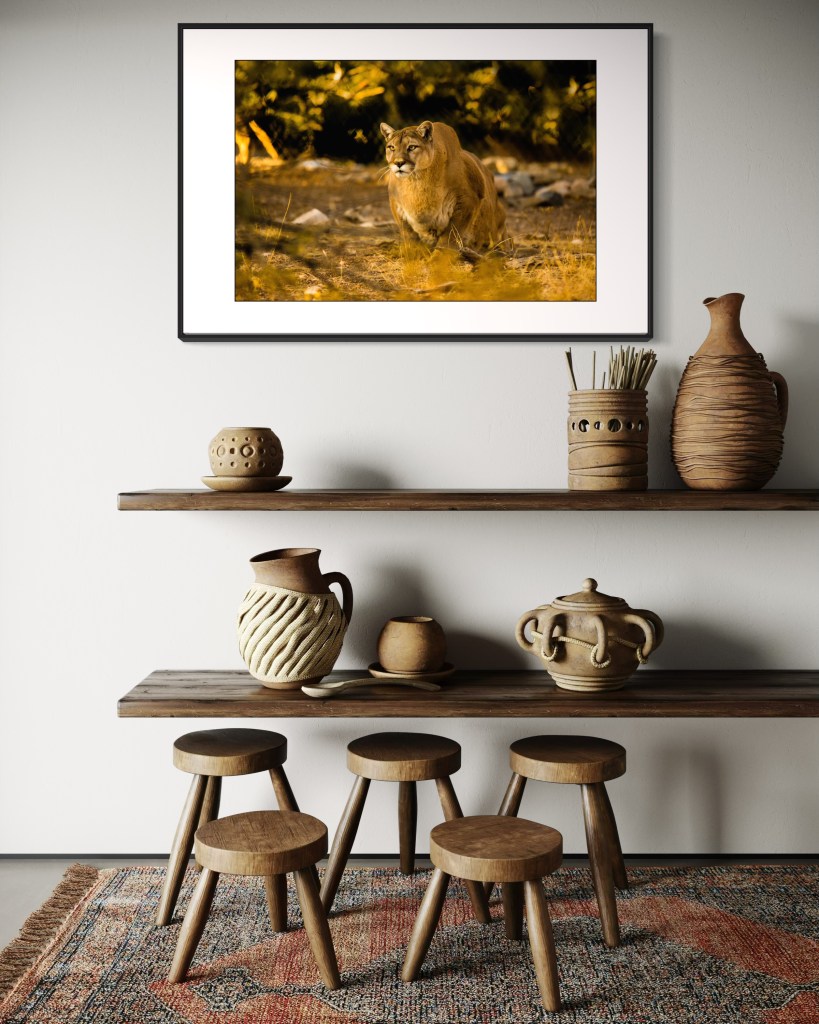

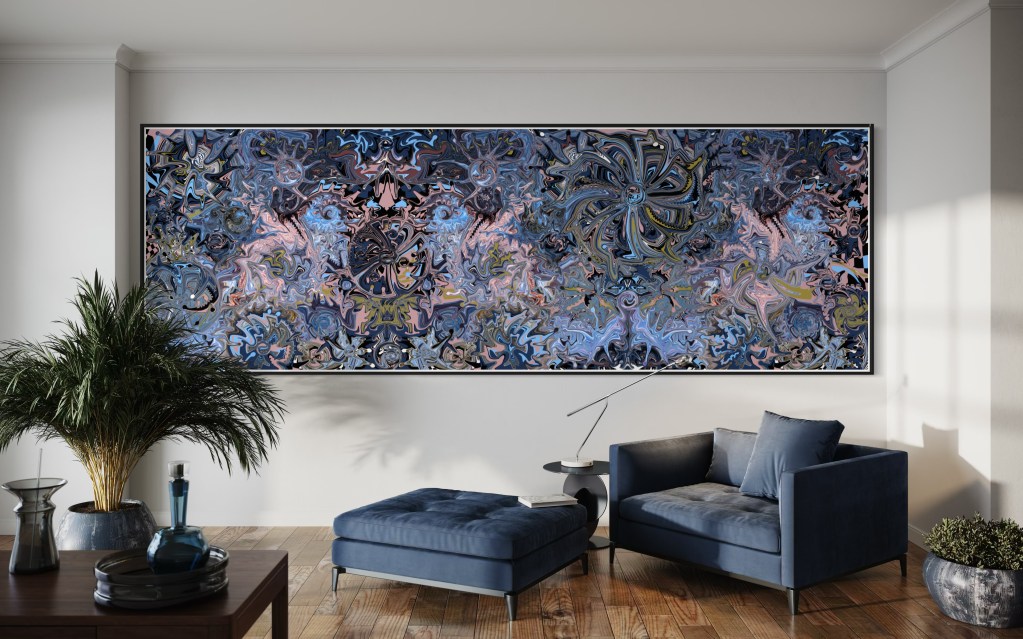


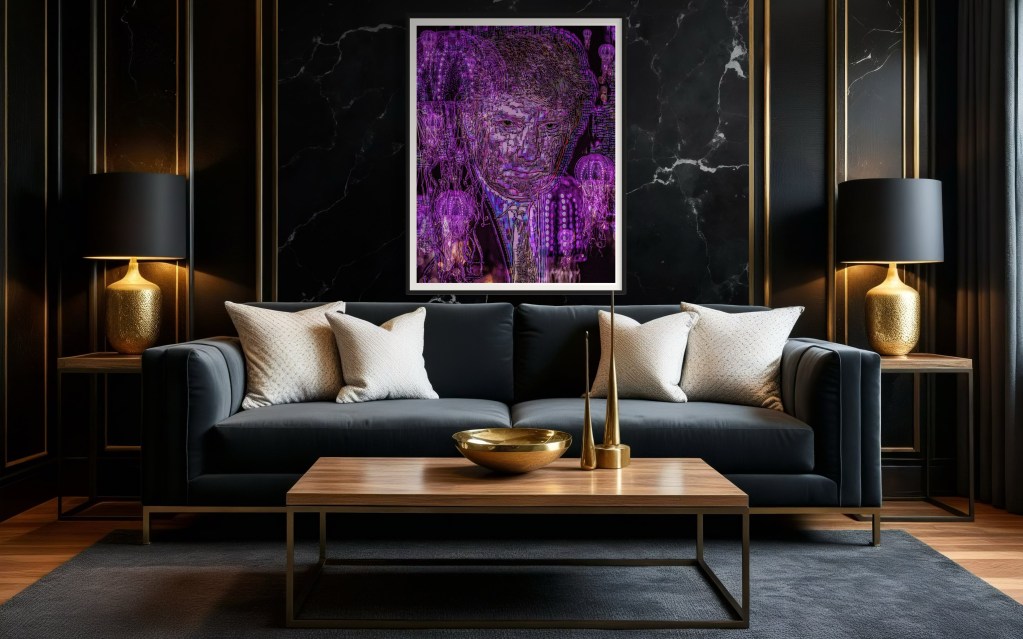
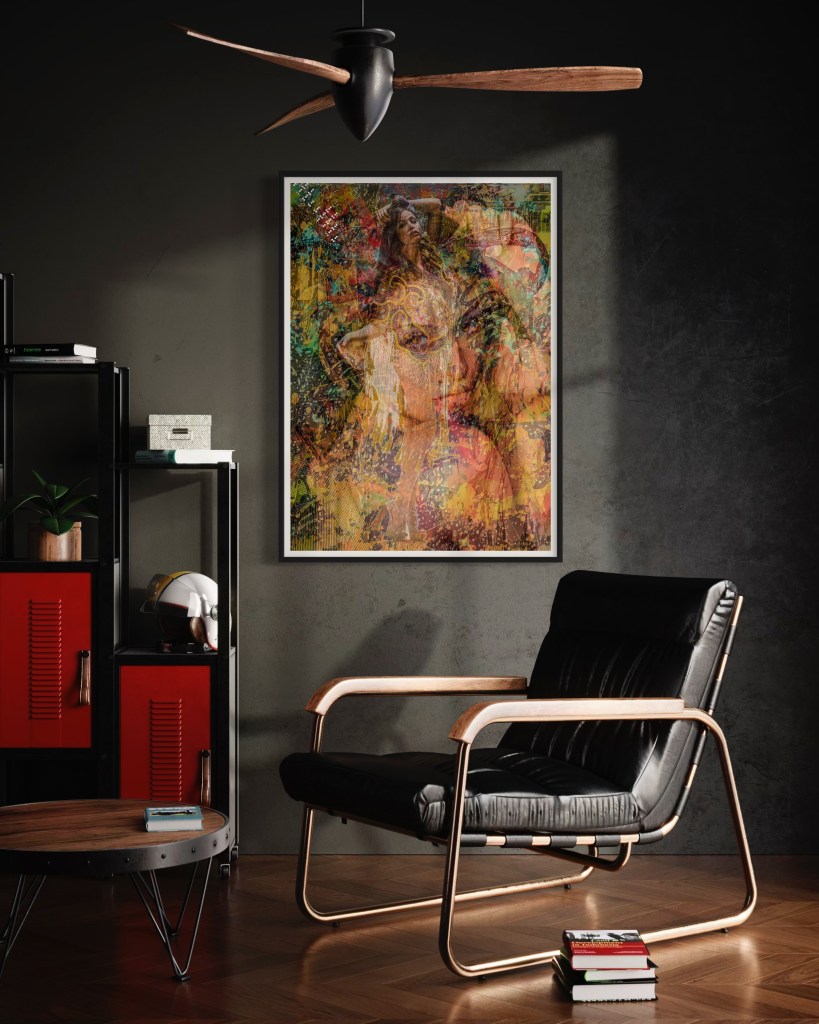



The Artwork’s Appeal
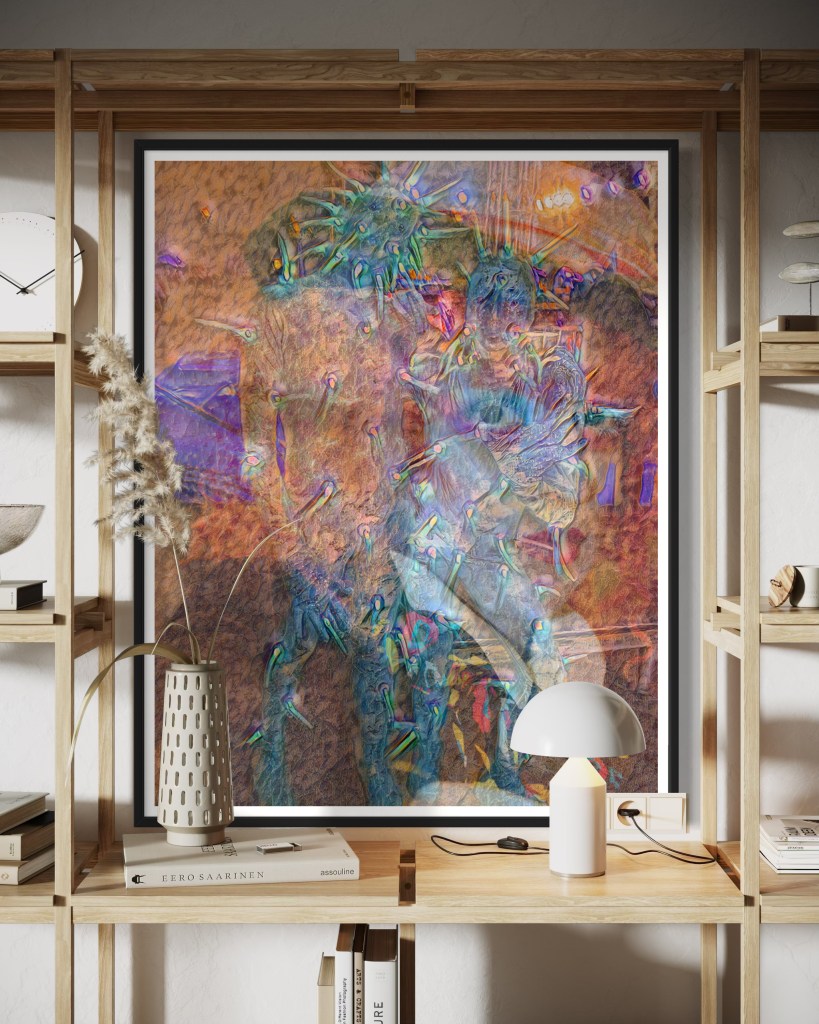
- Visual Impact: The artwork should make a statement. It should be visually striking, drawing the eye and sparking conversation.
- Emotional Resonance: Art that evokes emotion, whether it’s joy, tranquility, or contemplation, can create a powerful connection with viewers.
- Versatility: A piece that can be adapted to different spaces and lighting conditions is more desirable. Consider creating variations of a piece in different sizes or mediums.
- Timelessness: While trends come and go, timeless pieces that stand the test of time are highly sought after.
- Quality Materials: Using high-quality materials and techniques ensures the longevity of your artwork. These materials enhance its ability to withstand the test of time.
The Psychology of Art and Space
Designers and architects are keenly aware of the psychological impact of art. They understand how certain elements can influence mood, behavior, and perception. Here are some key psychological factors they consider:
- Color Psychology: Colors evoke specific emotions and associations. Warm colors like red and orange can stimulate energy. They create excitement. Cool colors like blue and green promote calmness. They help with relaxation.
- Composition and Balance: The arrangement of elements within an artwork can create a sense of harmony or tension. Designers often look for pieces that complement the overall balance and flow of a space.
- Scale and Proportion: The size and scale of an artwork can dramatically affect the perception of a room. Large-scale pieces can create a sense of grandeur, while smaller pieces can add intimacy.
- Visual Weight: The visual weight of an artwork is determined by its size, color, and complexity. It can influence the perceived weight and balance of a room.
- Subconscious Associations: Abstract art, in particular, can tap into subconscious associations and evoke a wide range of emotions. Designers may choose pieces that elicit specific feelings or create a particular atmosphere.
Art in Residential Spaces
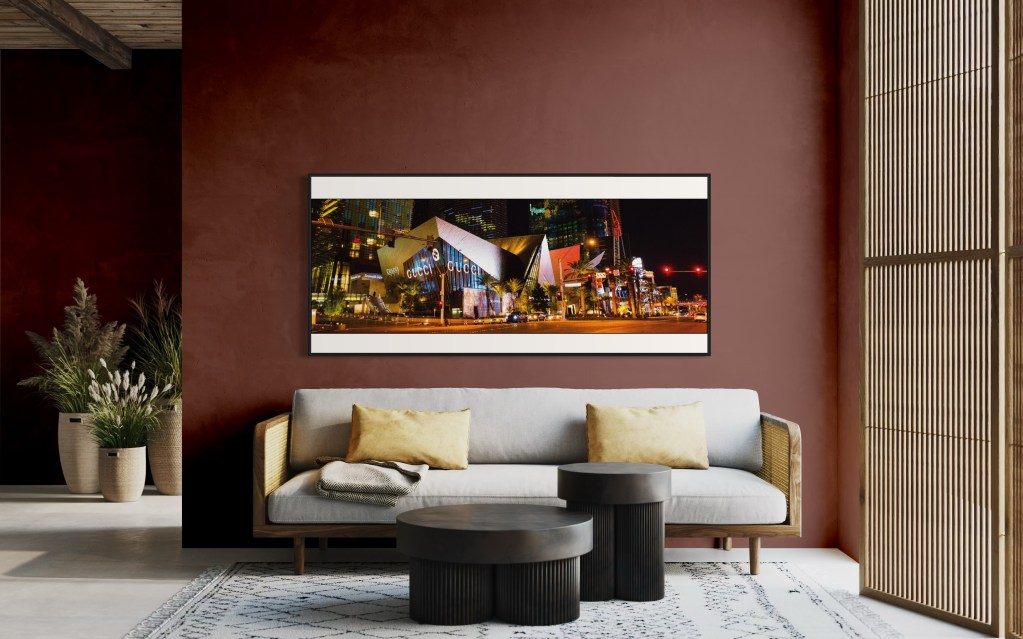
In homes, art serves to personalize the space and reflect the inhabitants’ tastes and personalities. Designers consider the following when selecting art for residential projects:
- Creating a welcoming atmosphere: Art should contribute to a warm and inviting ambiance.
- Reflecting the homeowner’s style: The artwork should complement the homeowner’s style and existing décor.
- Enhancing the functionality of the space: Art can be used to define areas. It can create focal points. Art also enhances the overall flow of a room.
- Promoting a sense of comfort and well-being: Art can be used to create a relaxing and rejuvenating environment.
Art in Commercial Spaces
In commercial spaces, art plays a different role. It can be used to:
- Reinforce brand identity: Art can be used to communicate a company’s values, mission, and brand identity.
- Enhance the customer experience: Art can create a welcoming and engaging atmosphere for customers and clients.
- Boost employee morale and productivity: Studies have shown that art in the workplace can improve employee morale, creativity, and productivity.
- Project a professional image: Art can be used to create a sophisticated and professional environment. This setting reflects the company’s success and stature.
Understand the specific needs and considerations of residential and commercial spaces. This knowledge helps you create art that resonates with designers and their clients. This increases your opportunities for success in the art world.

