

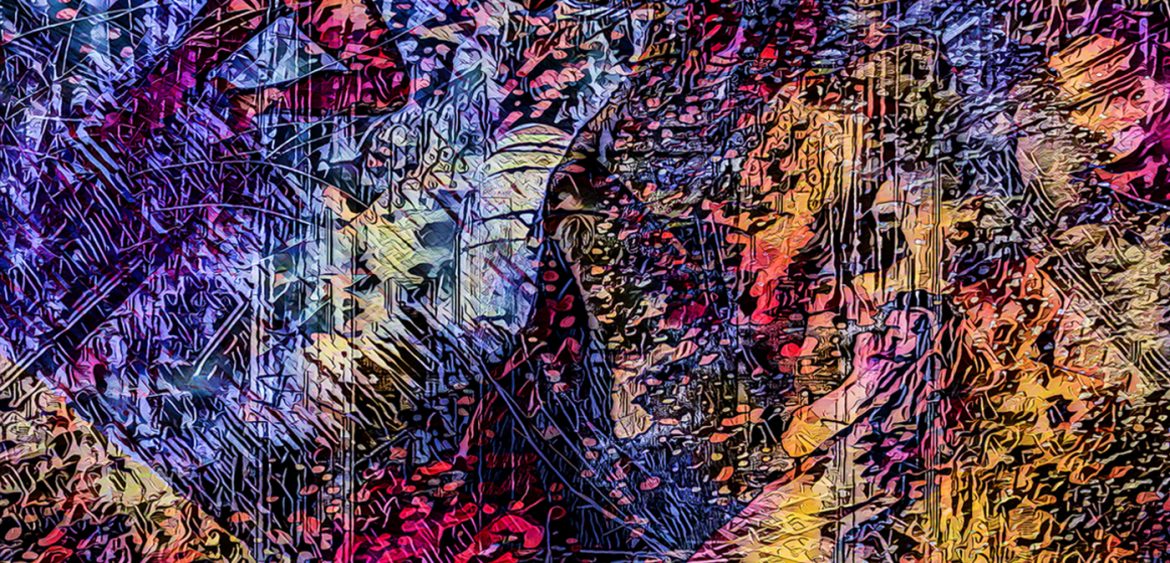
Lack of human creativity and intuition
AI is very good at recognizing patterns in data and replicating them. However, it does not have the same level of creativity and intuition as humans. This means that AI is not able to come up with new and innovative ways to combine images. It cannot create combinations that are both visually appealing and meaningful. AI can create transparent composites of images, but it may not always understand the context and meaning of the images. This can lead to some strange and unexpected results. For example, an AI might combine a picture of a cat with a picture of a dog. The result is a composite image that is not particularly meaningful. It may also not be very interesting.
Creating transparent composites of images can be complex. This is especially true when the images are of different sizes, shapes, or resolutions. AI may struggle with these types of tasks, as they require a high degree of precision and accuracy. AI models are trained on large datasets of images. If these datasets do not contain examples of transparent composites of images, then the AI will fail to create them. The AI cannot produce what it has not seen in its training data.
While AI has made significant strides in image generation, creating complex, detailed, and transparent composite images remains a challenging task. Here are some key reasons why:

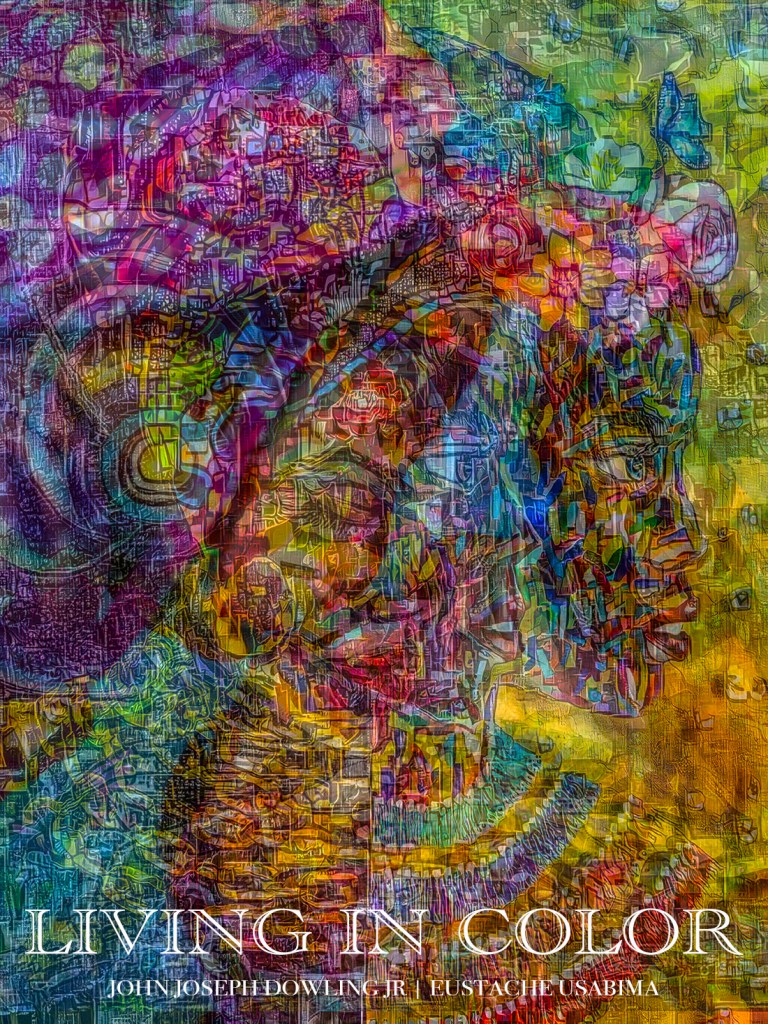

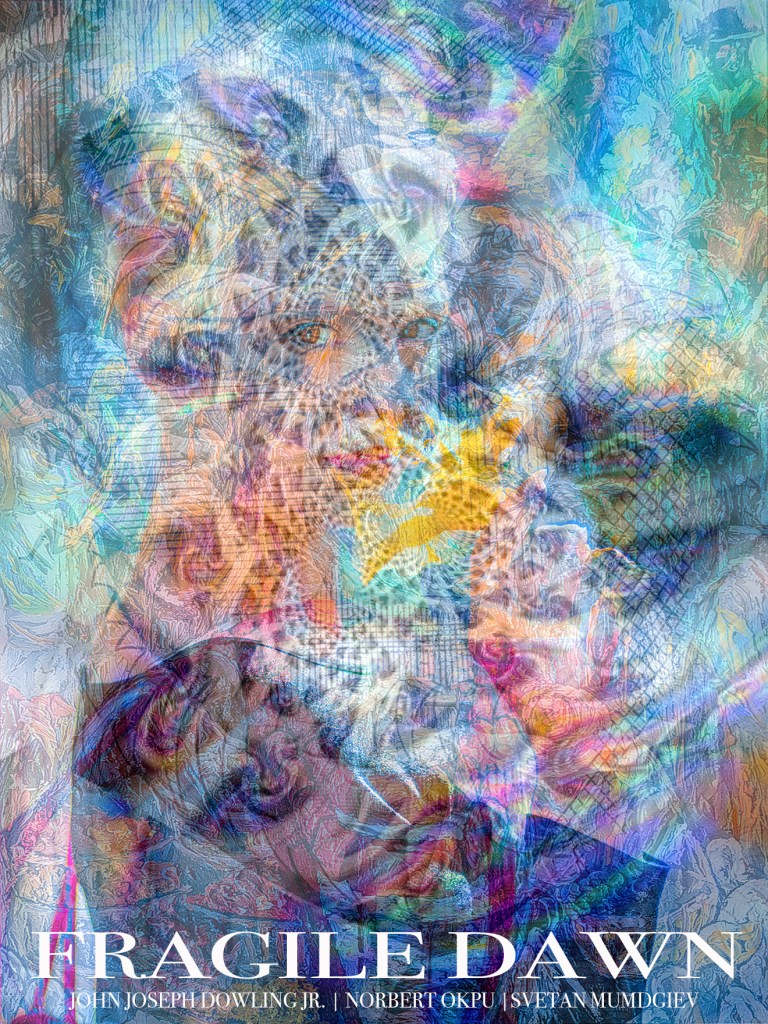
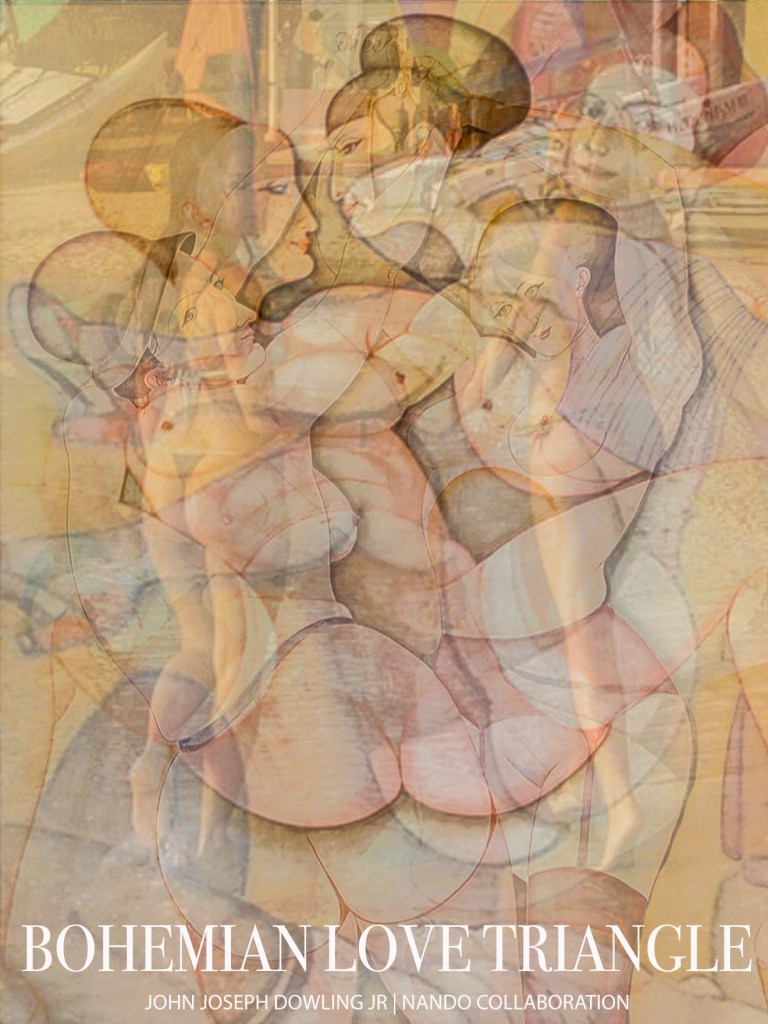
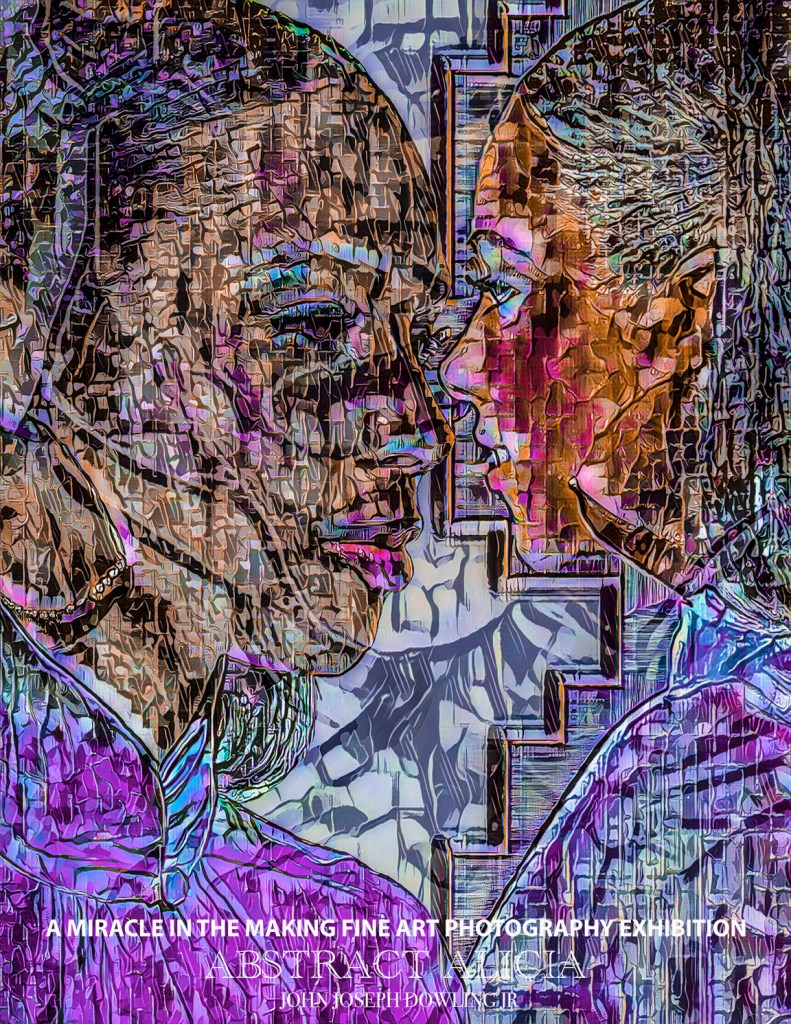
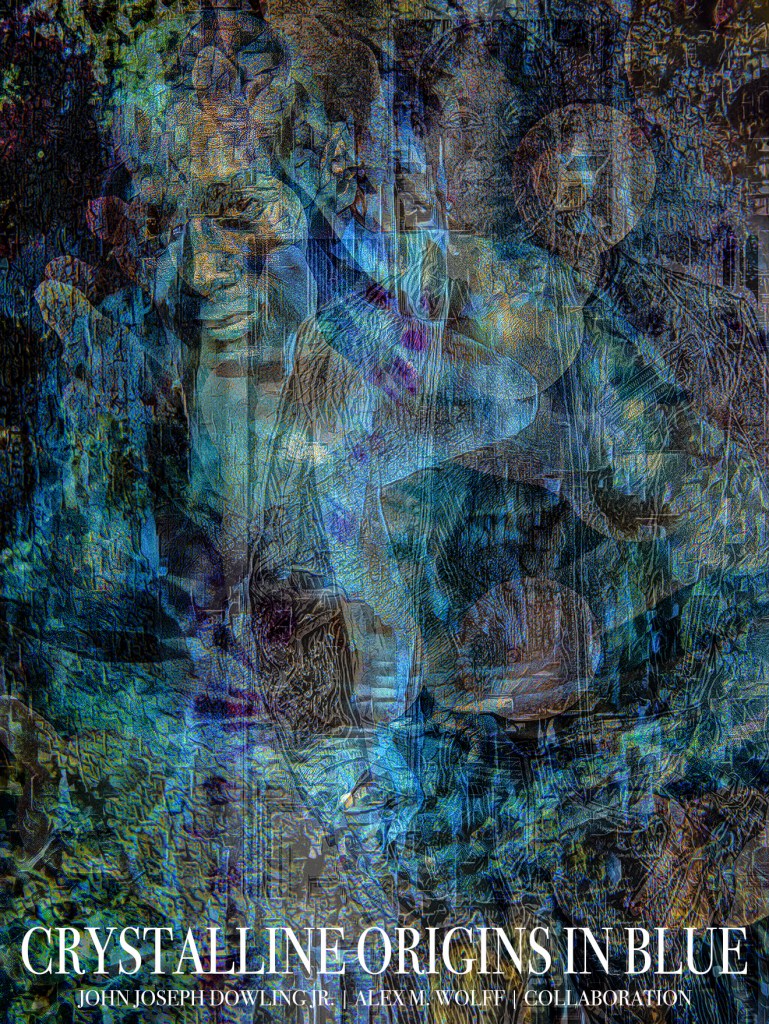


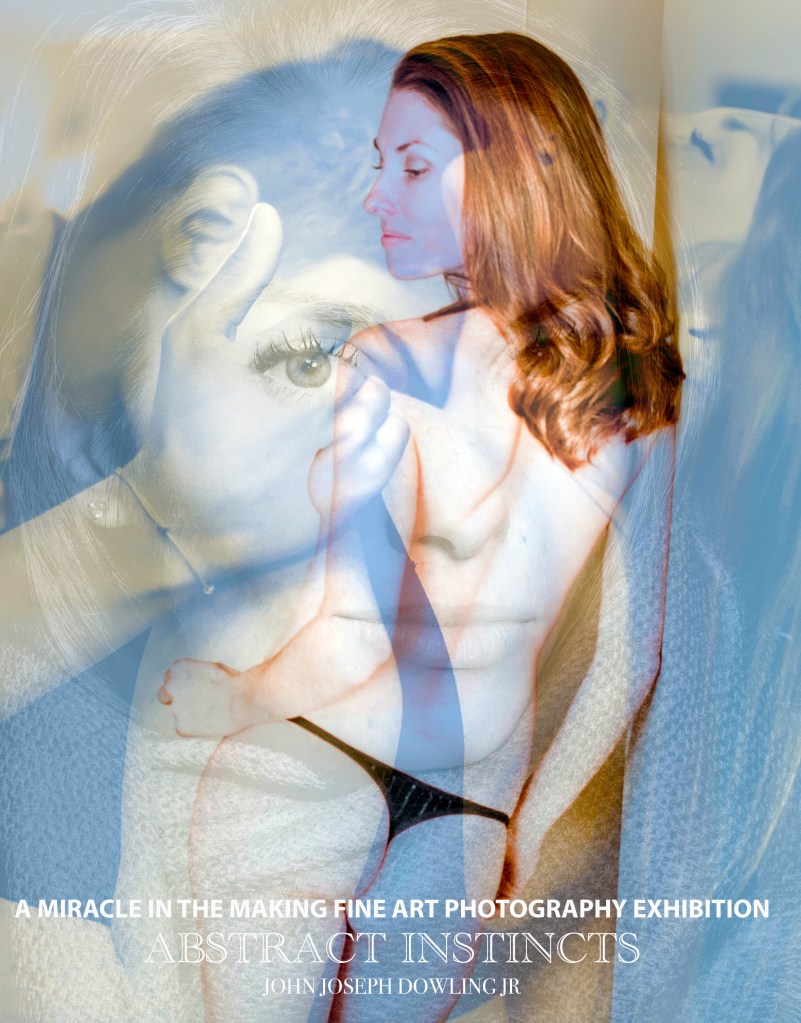
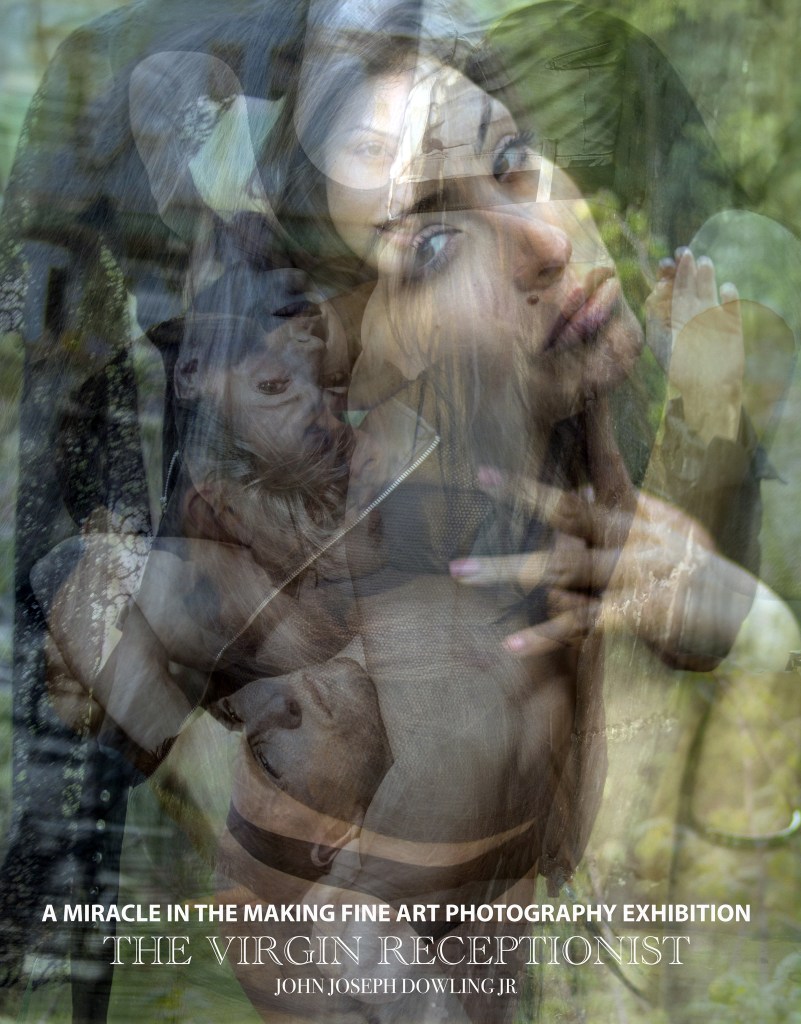
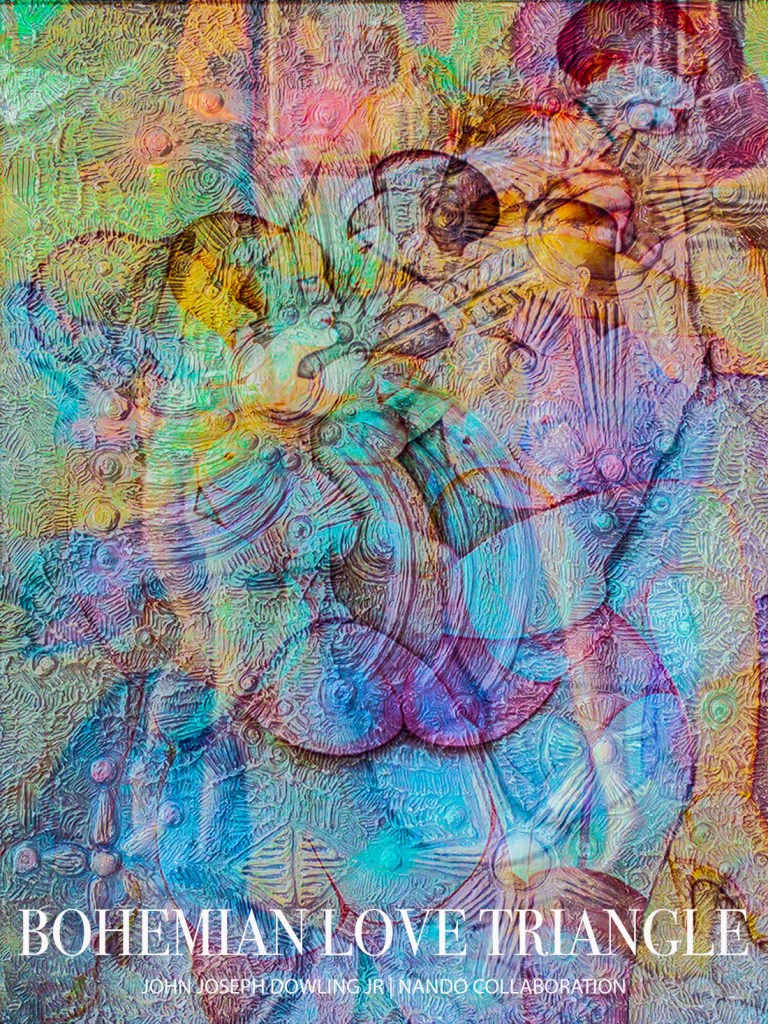


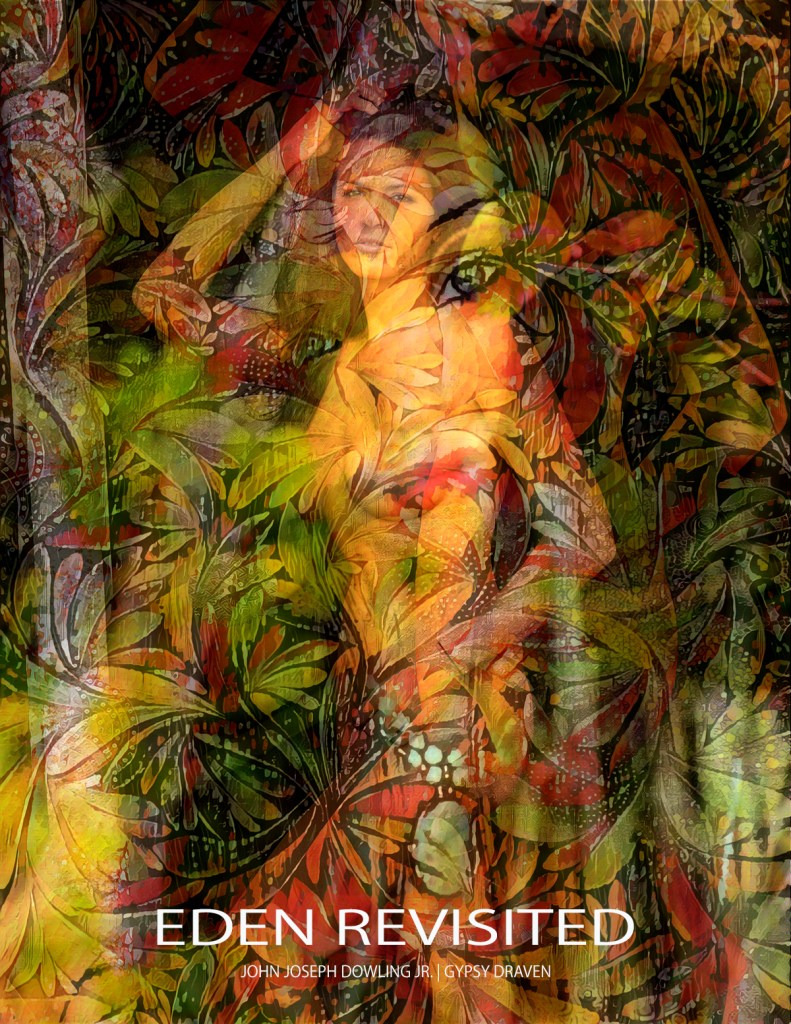

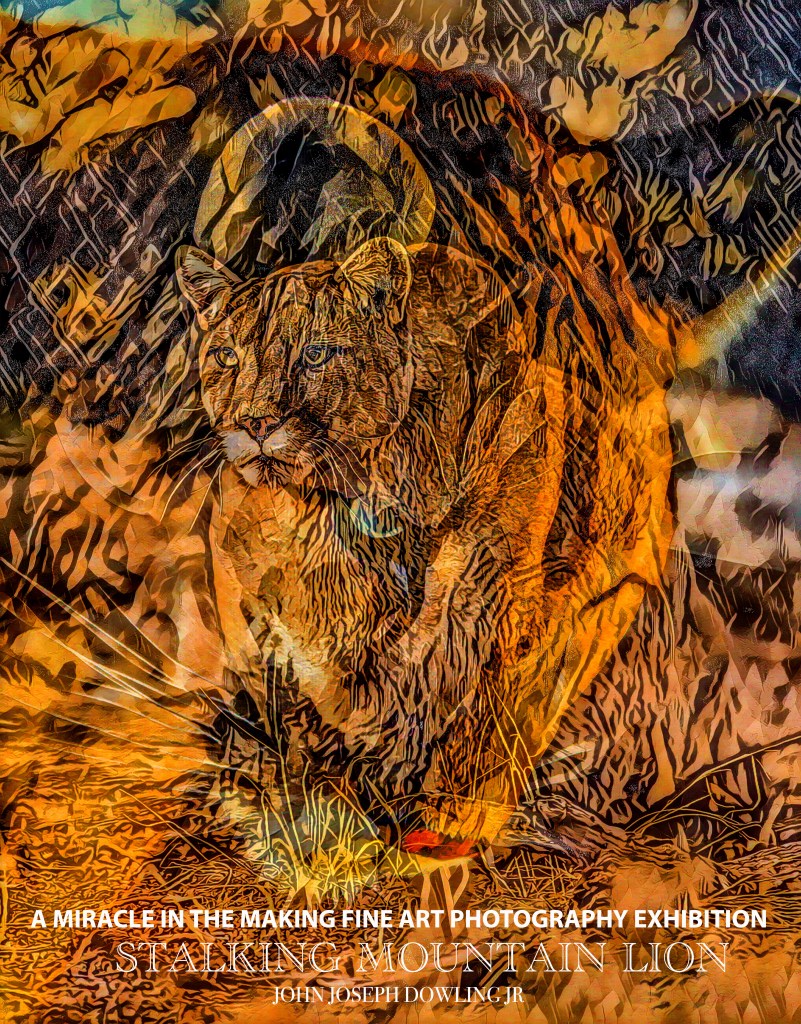

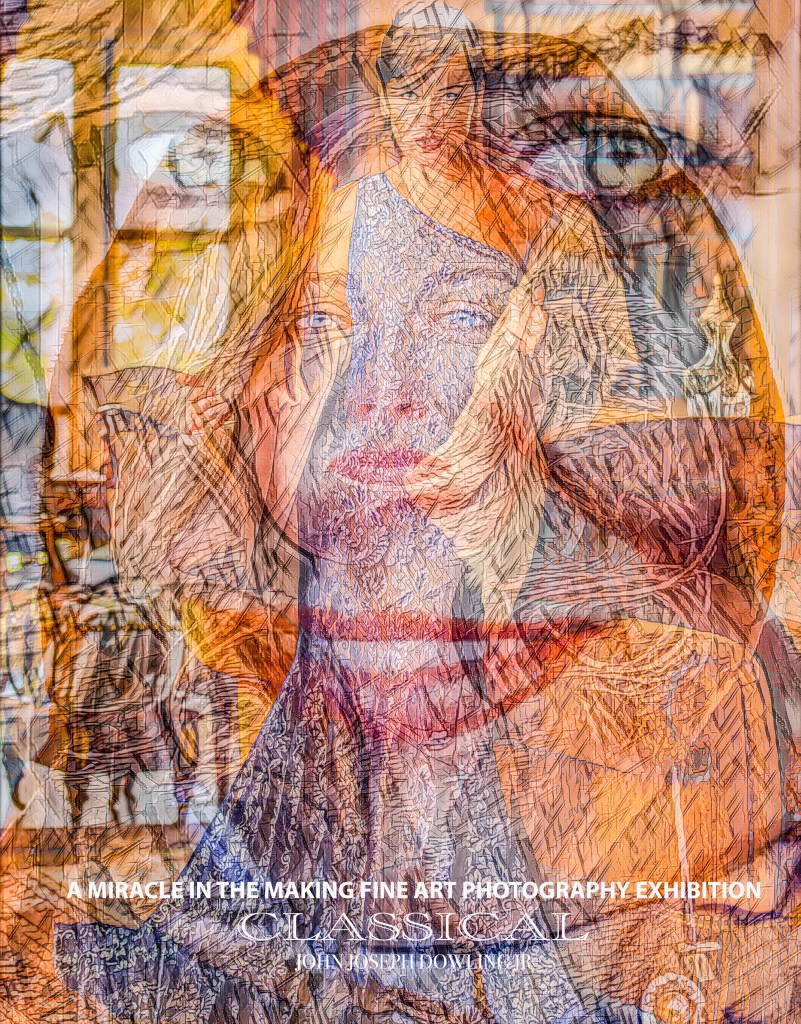
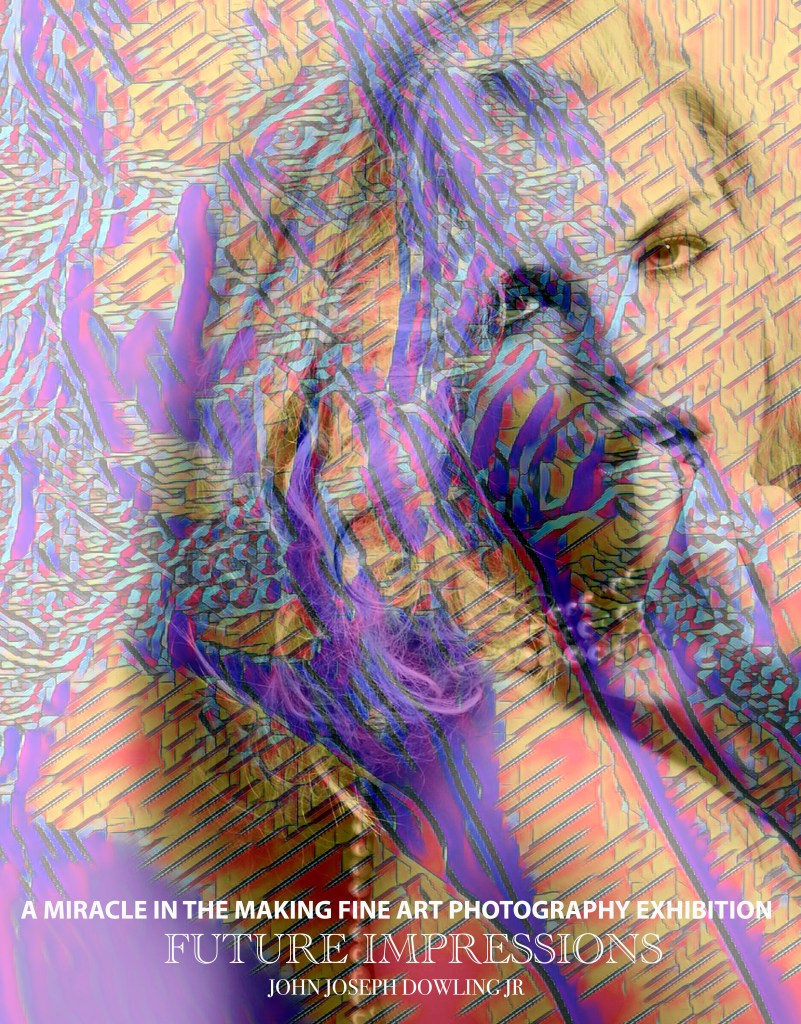
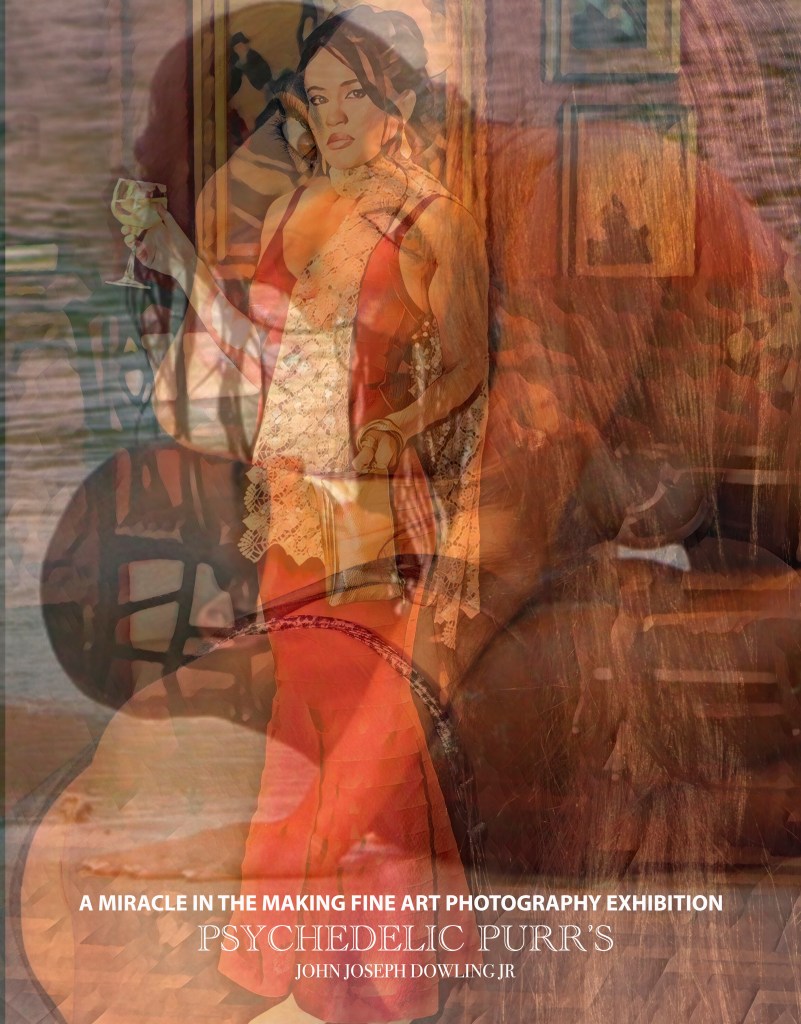
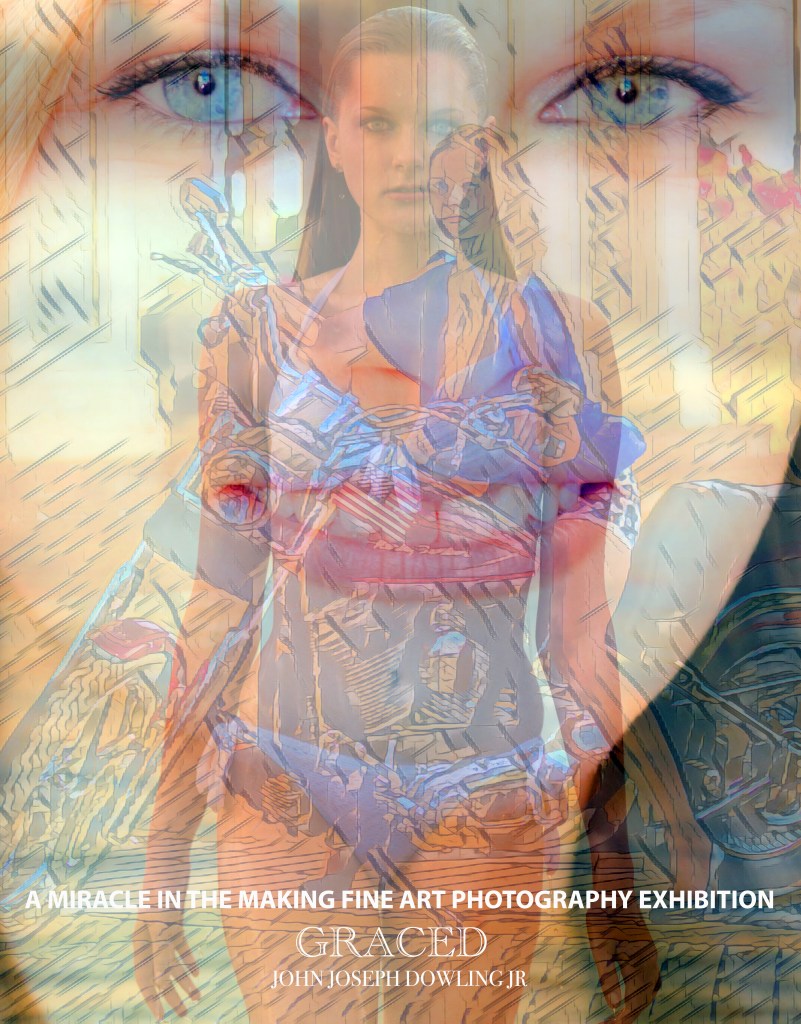
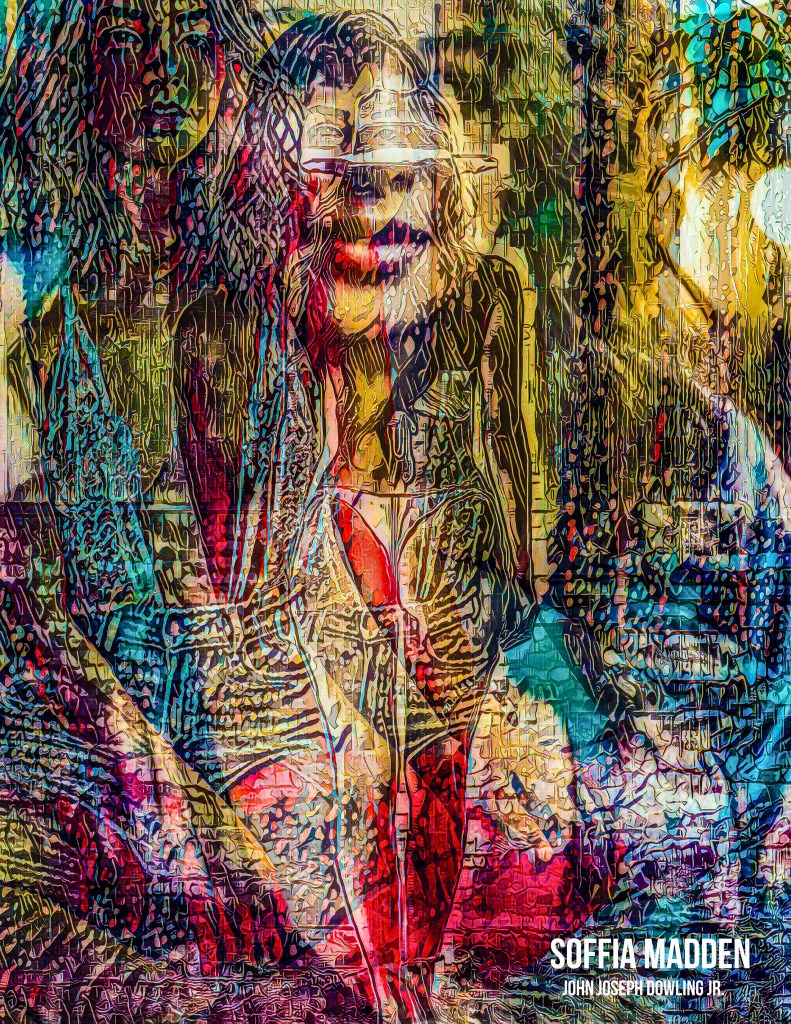

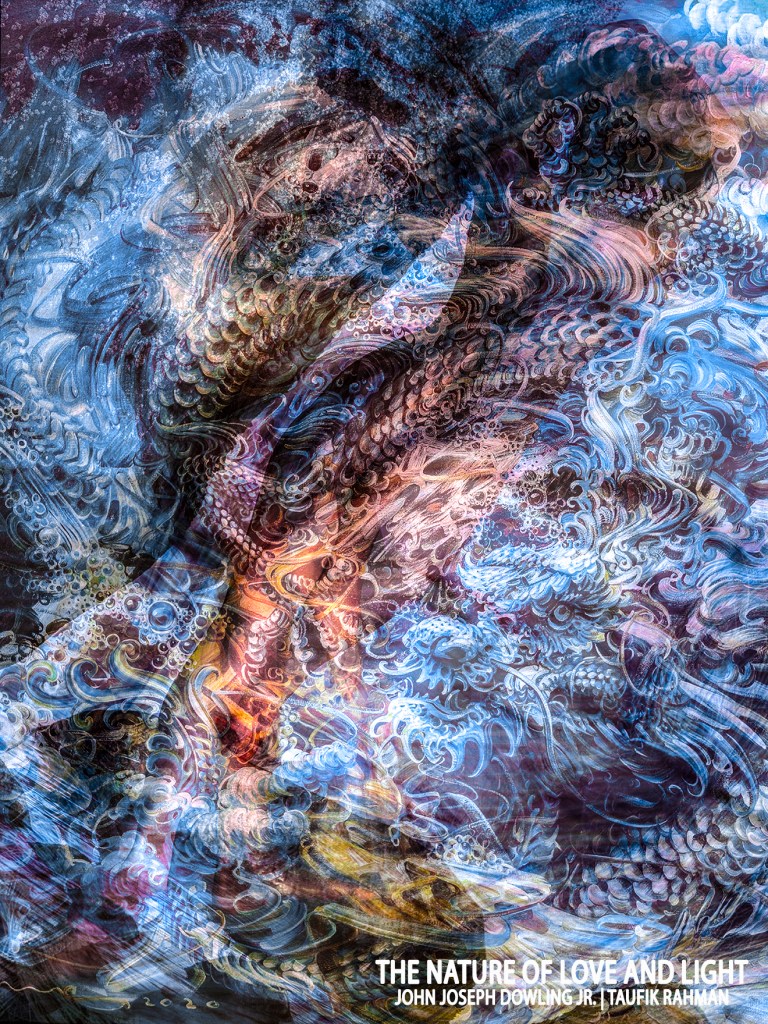
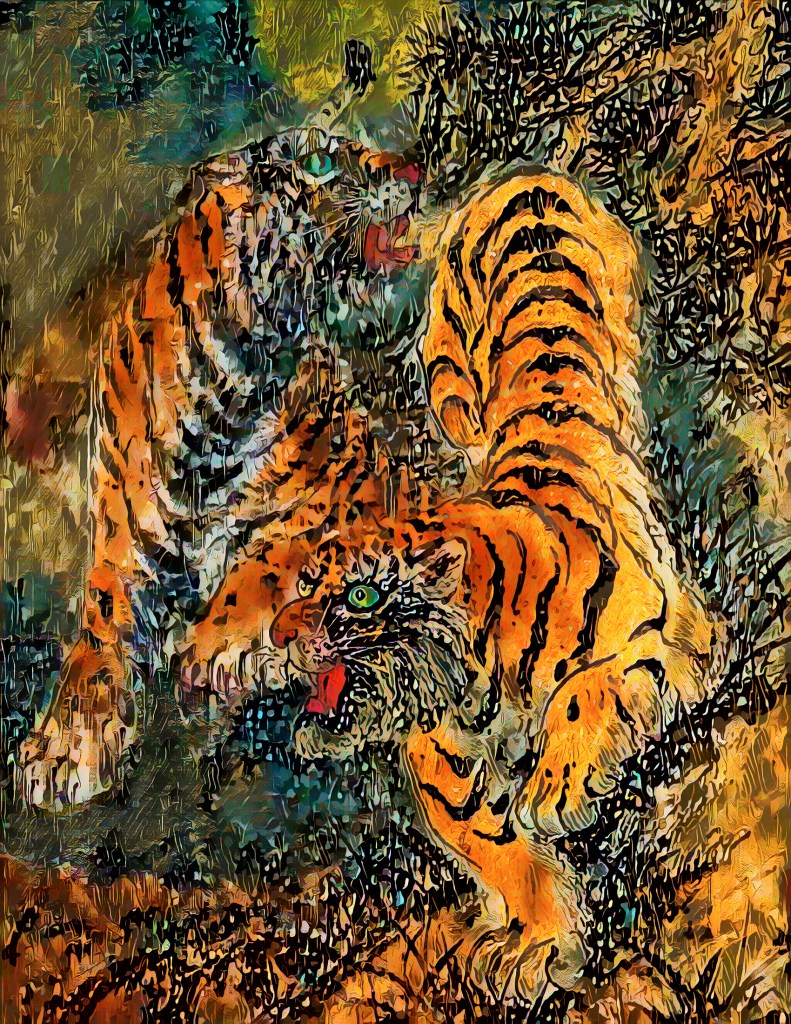
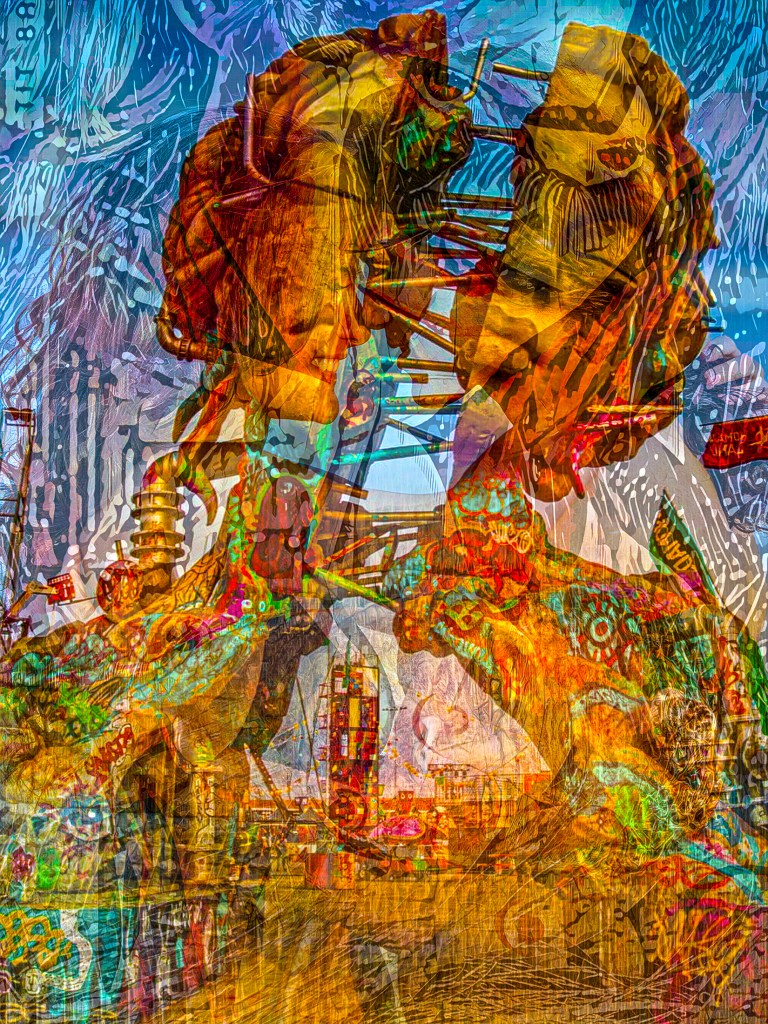
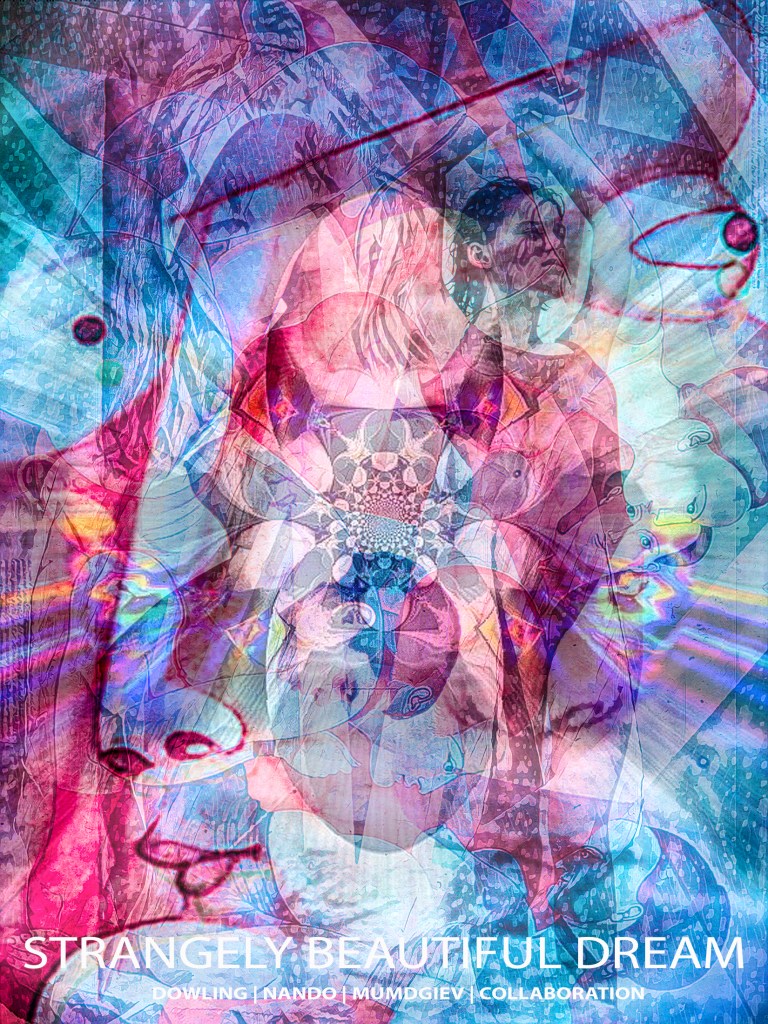
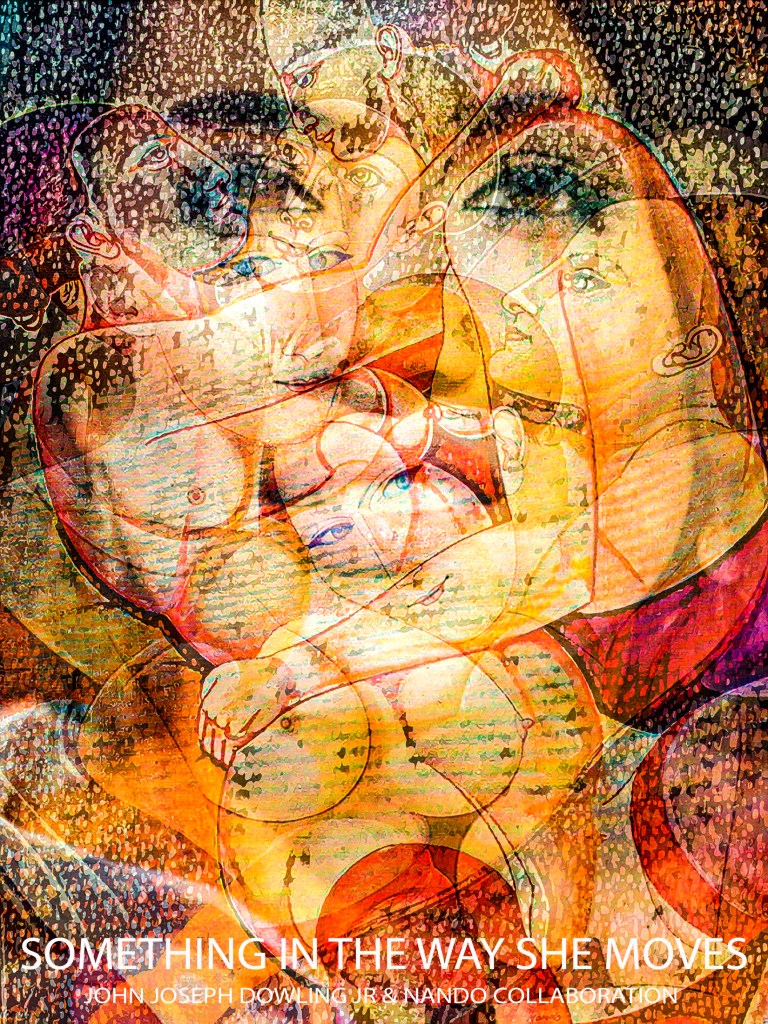
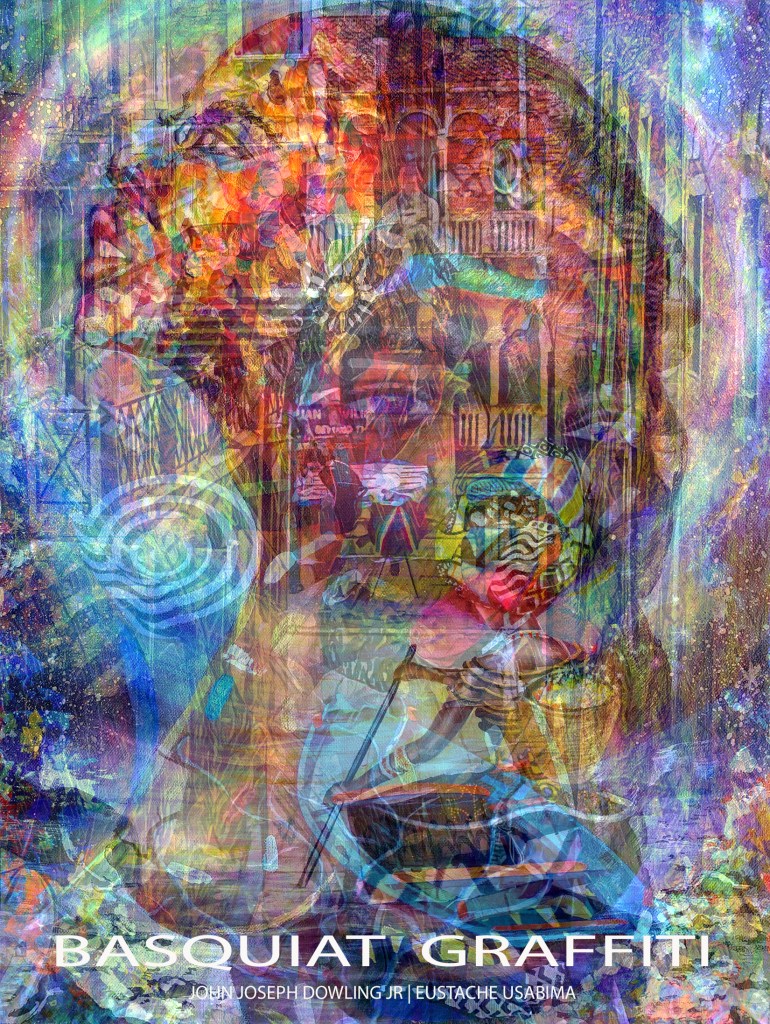

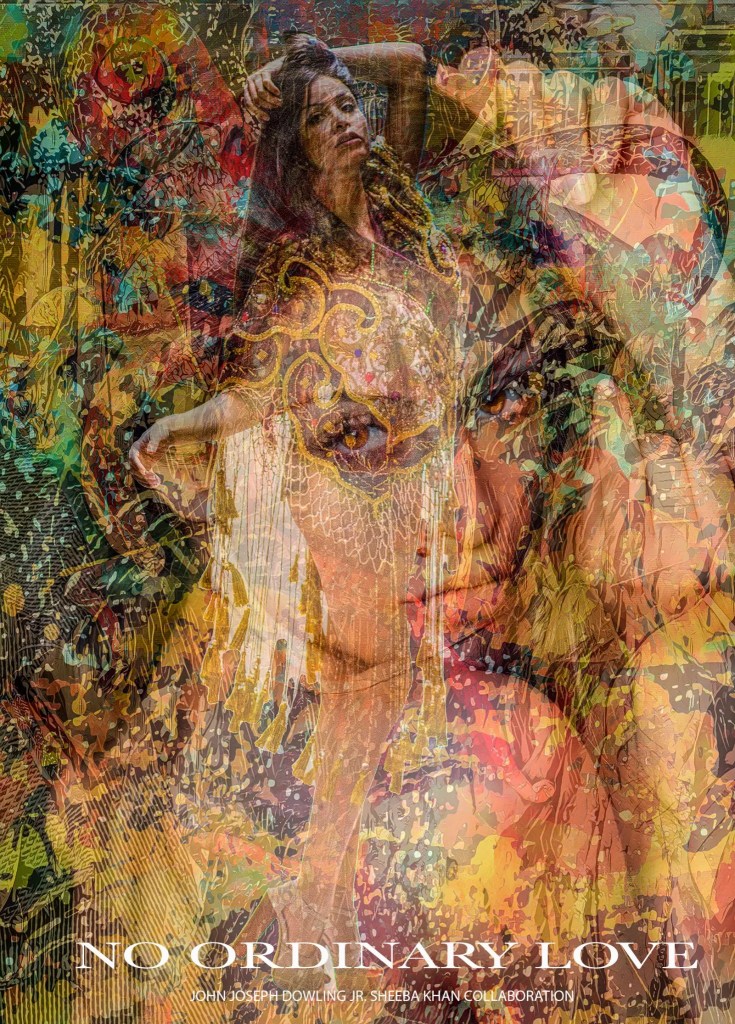

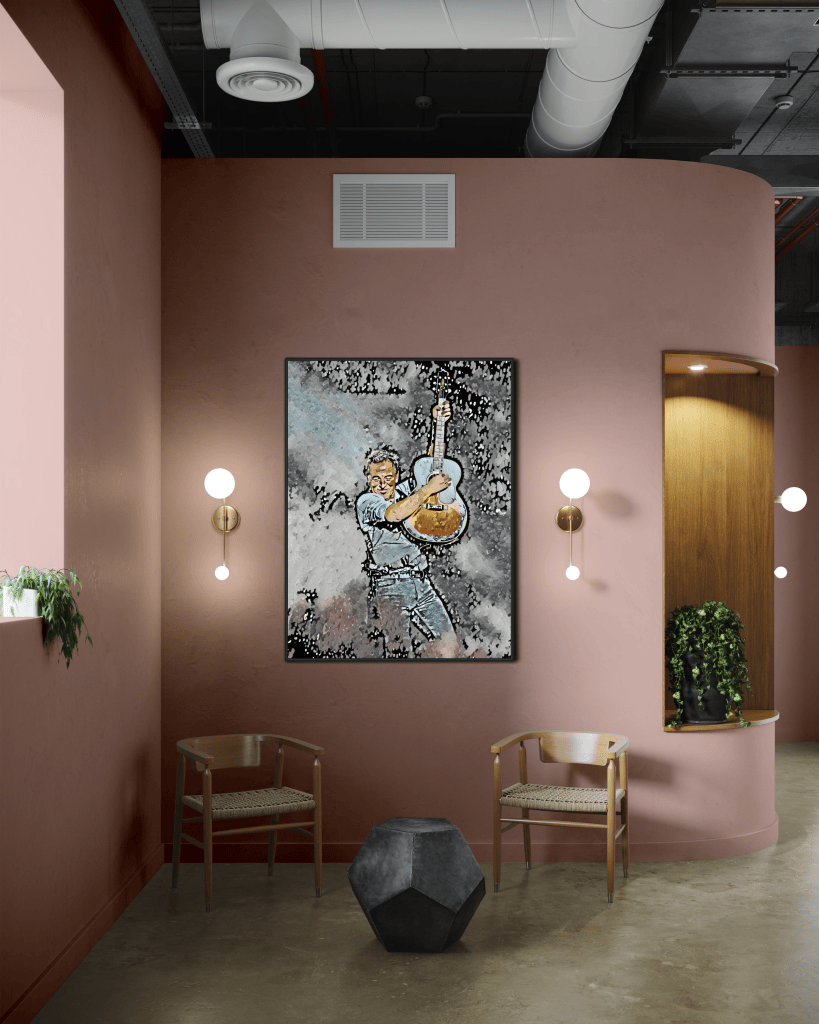
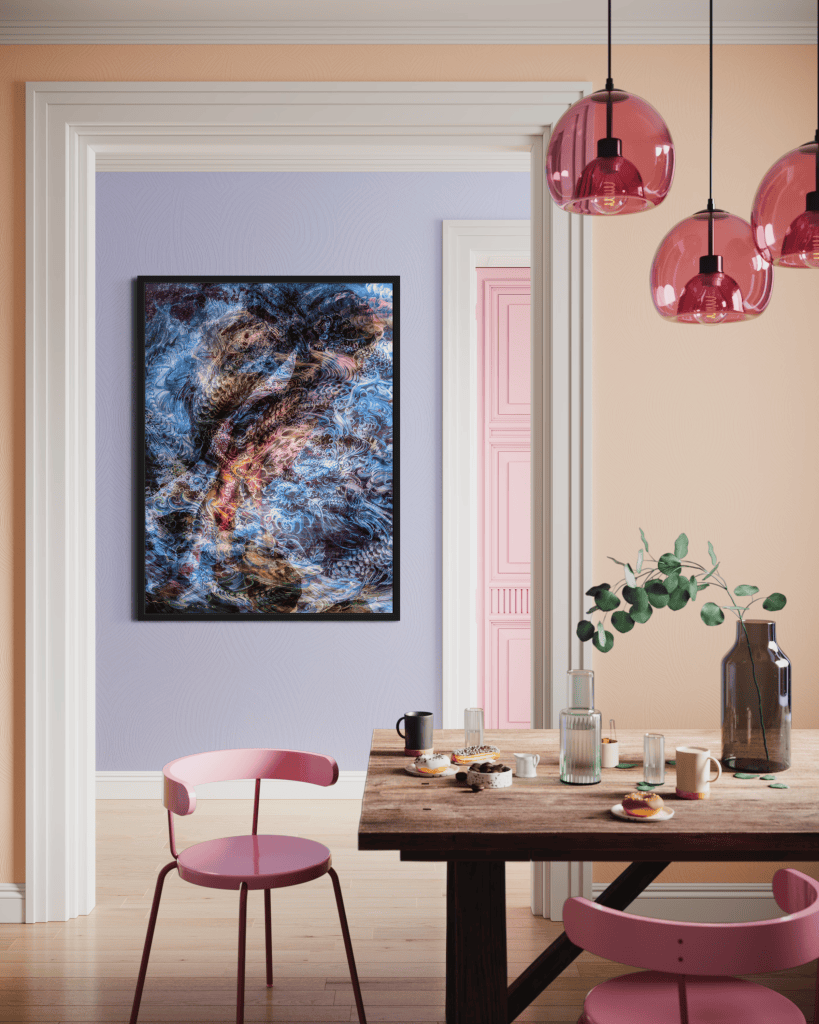
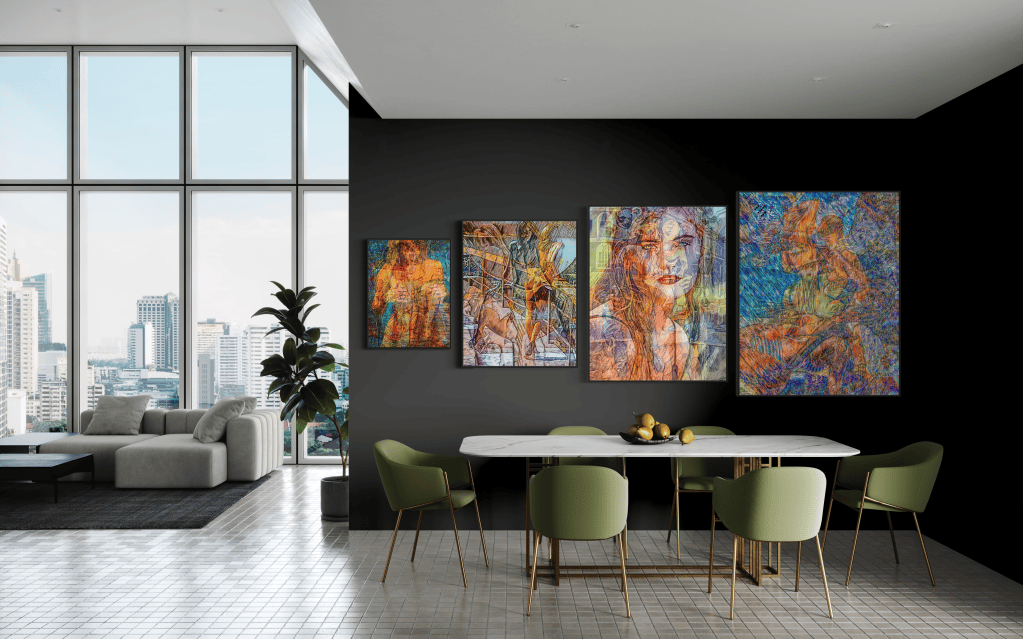
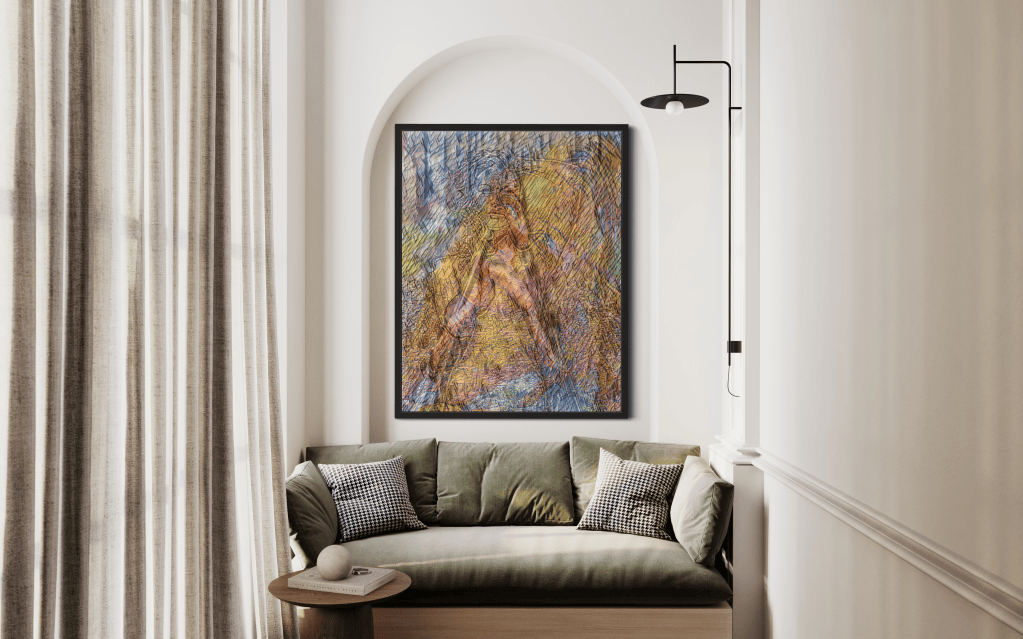
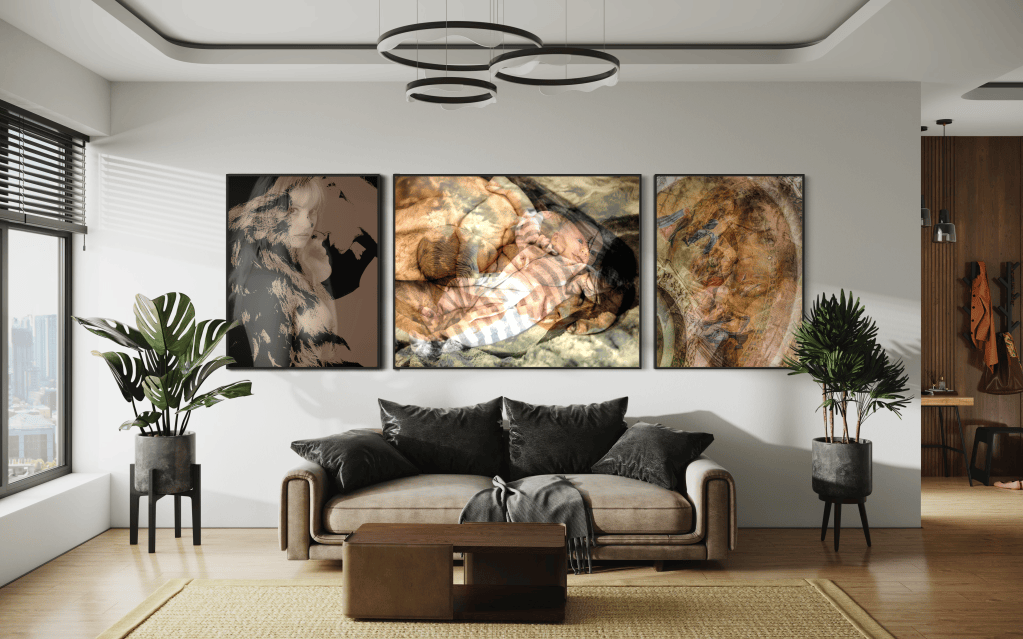
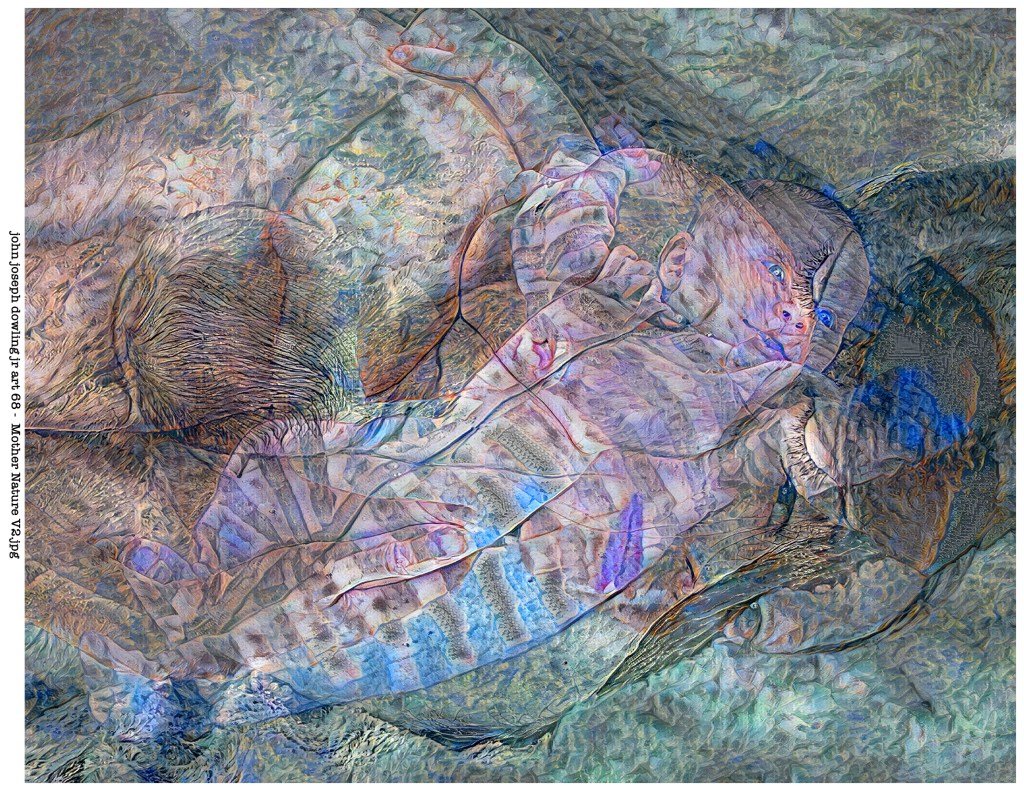
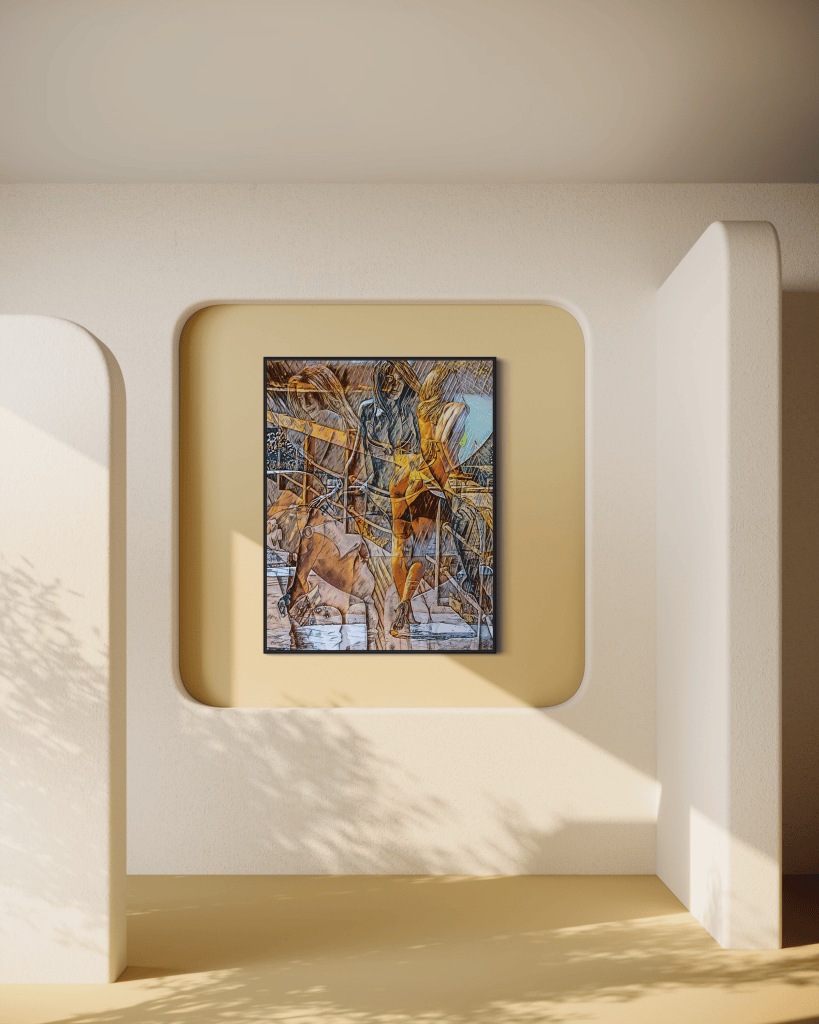
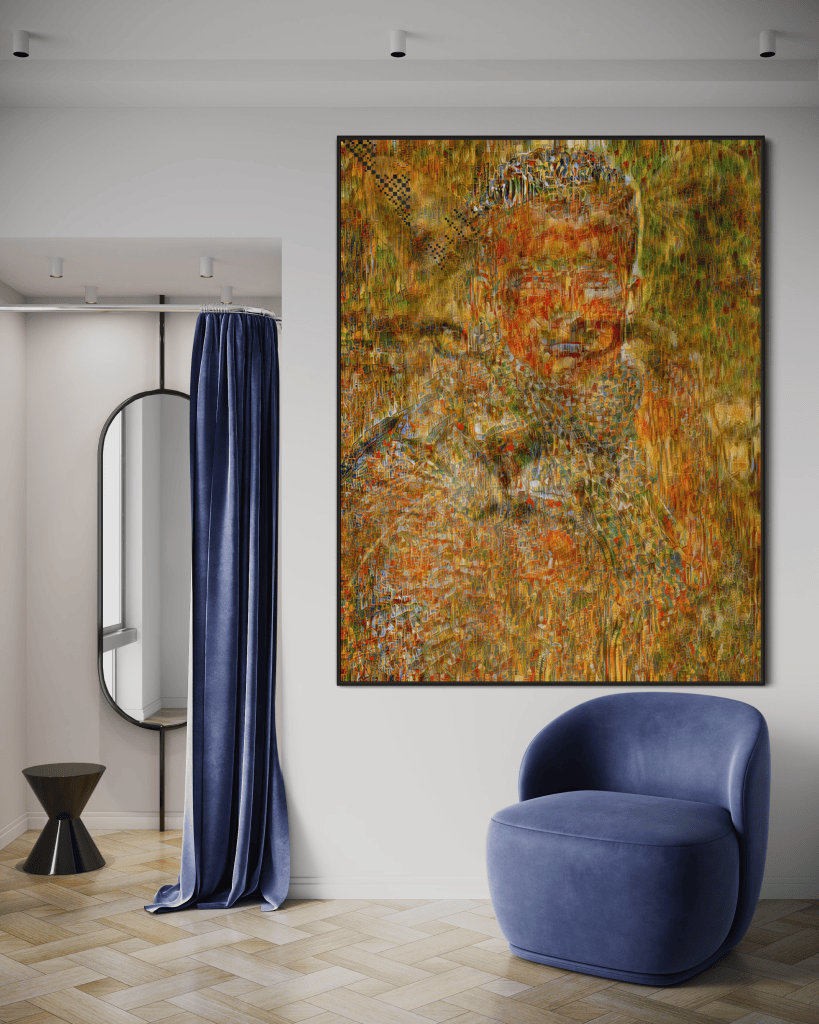
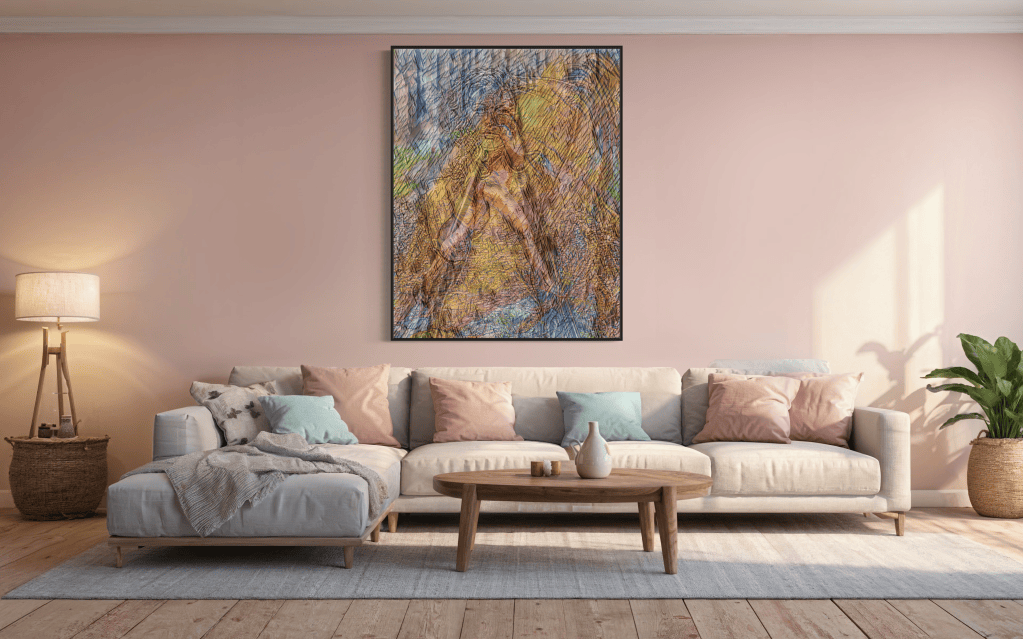
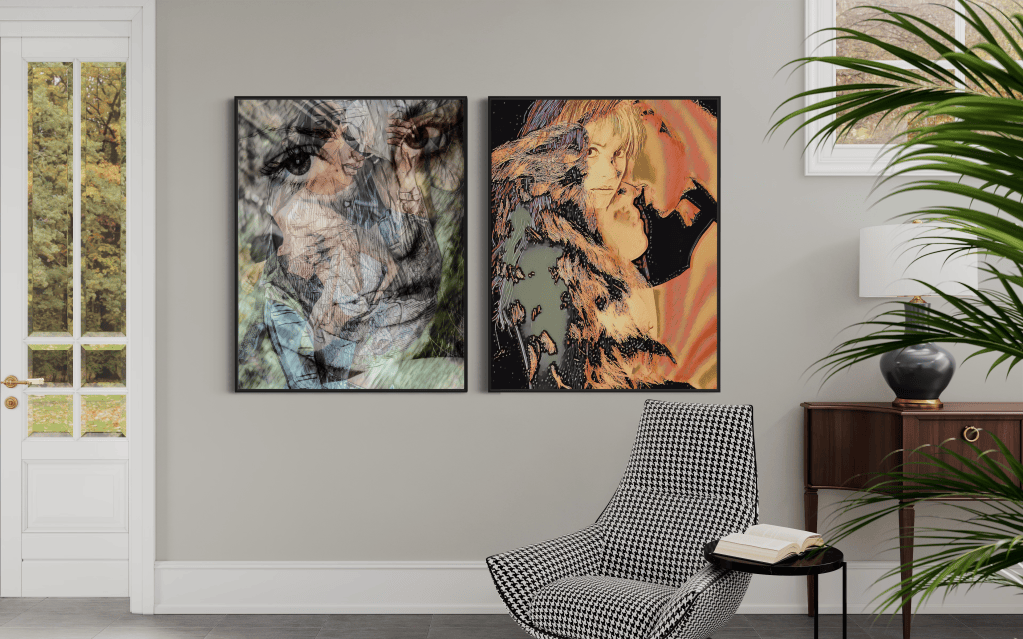
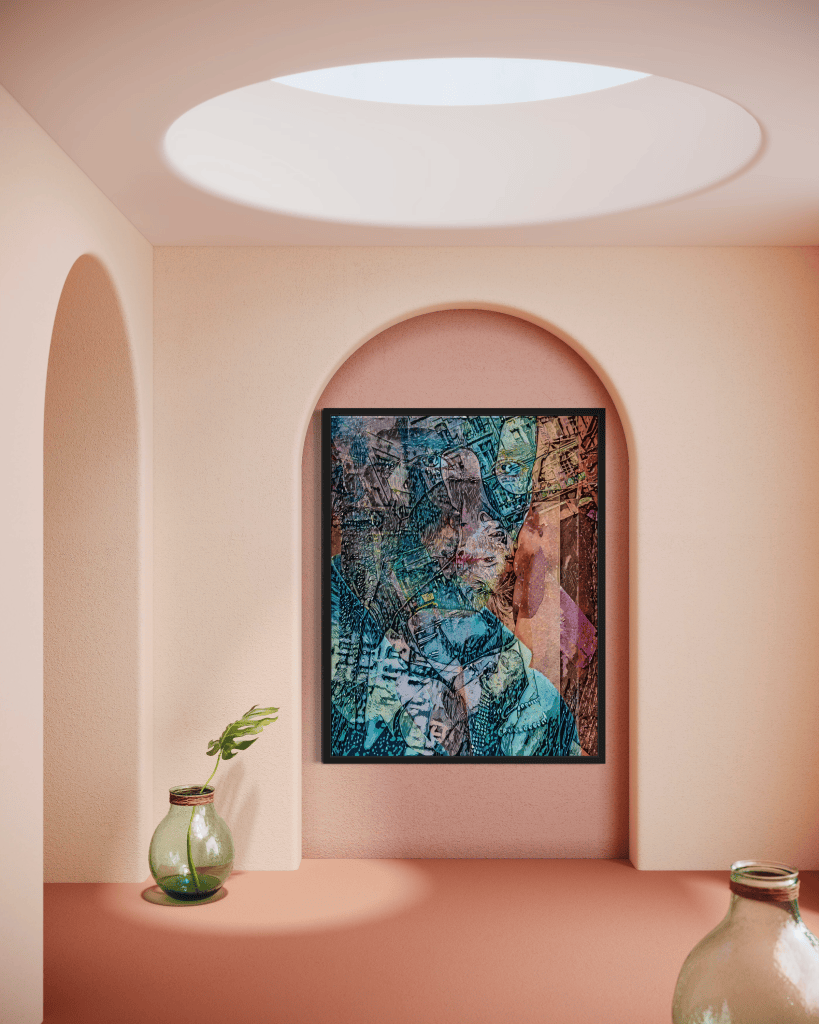
- Understanding Depth and Perspective:
Depth Perception: AI struggles to accurately perceive depth and perspective in images, especially when dealing with overlapping elements. This can lead to artifacts and inconsistencies in the composite image.
Object Segmentation: Accurately segmenting objects from their background is crucial for creating seamless composites. AI models, while improving, can still make mistakes, especially in complex scenes.
- Handling Transparency and Blending:
Accurate Alpha Channels: Creating realistic transparency effects requires precise control over alpha channels, which determine the opacity of each pixel. AI models may struggle to accurately calculate and apply these channels.
Blending Modes: Different blending modes (like overlay, multiply, or screen) can produce diverse effects. AI models need to understand the appropriate blending mode for each image layer to achieve the desired result.
- Artistic Creativity and Intuition:
Aesthetic Sense: Creating visually appealing and harmonious composites often requires an artist’s intuition. An understanding of color theory is also important. Composition and visual balance play key roles. AI models, while capable of learning from data, may lack the innate creativity and originality of a human artist.
Experimentation and Iteration: Human artists often experiment with different compositions and techniques, iteratively refining their work. AI models may be less adept at this type of exploratory process.
- Technical Limitations:
Computational Resources: Creating highly detailed and complex composite images can be computationally intensive. AI models may require significant computing power and time to generate such images.
Data Quality and Quantity: AI models rely on large datasets of high-quality images to learn and improve. A lack of sufficient training data can limit the quality of the generated composites.
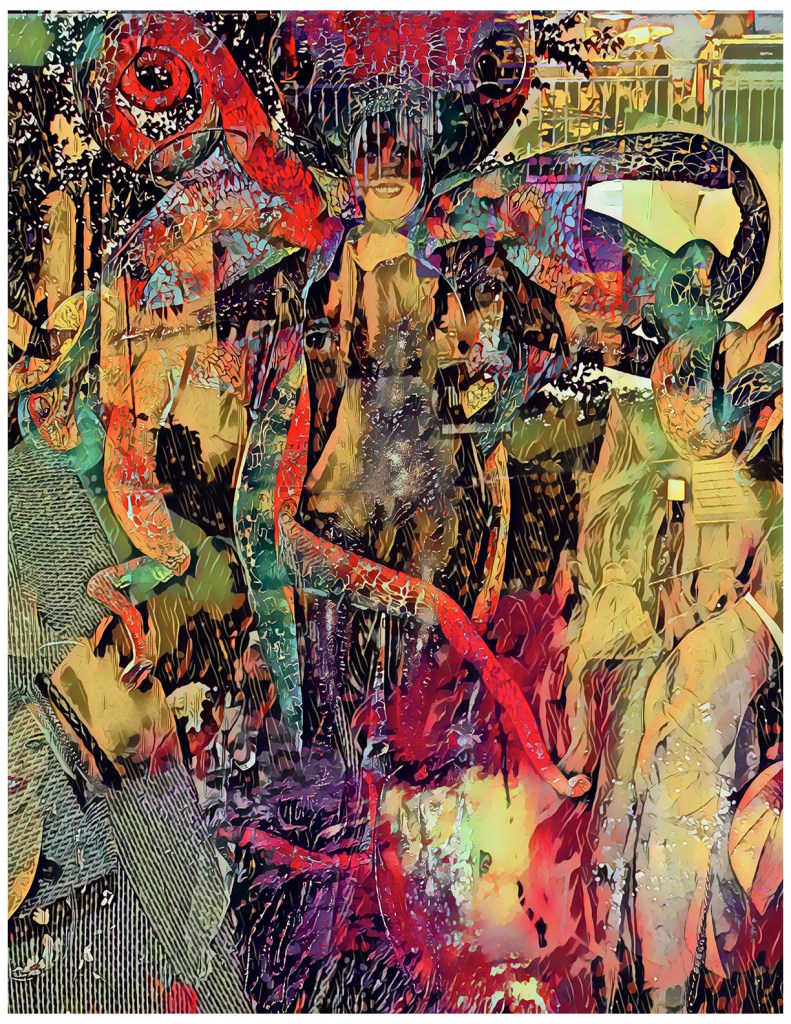
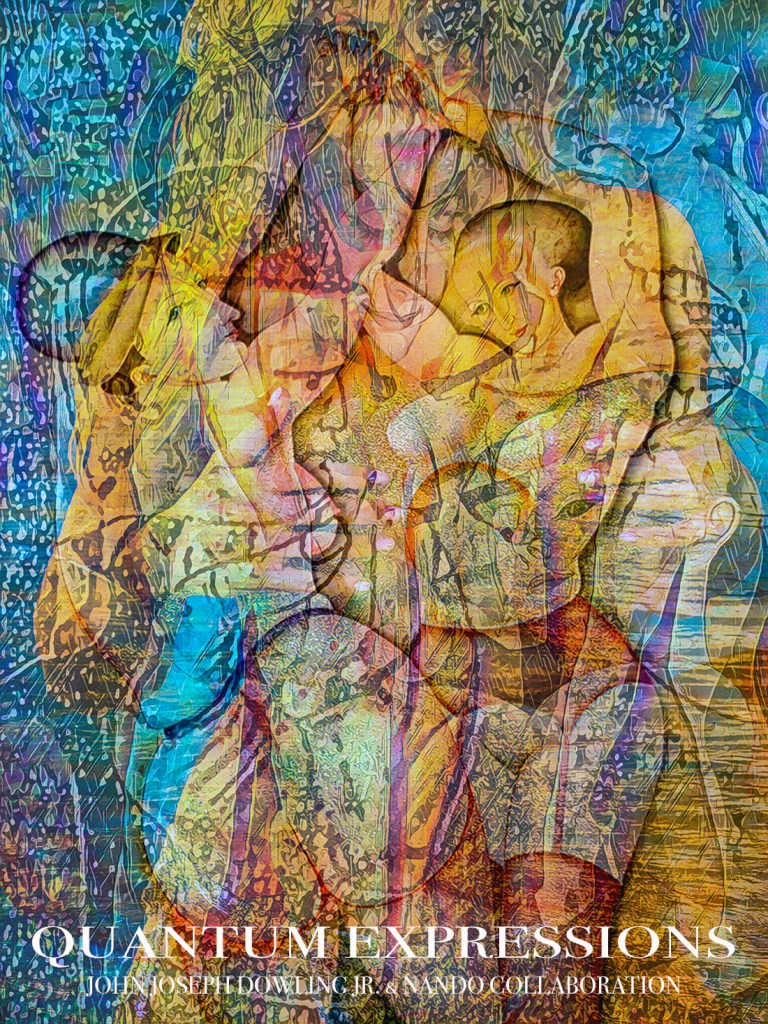
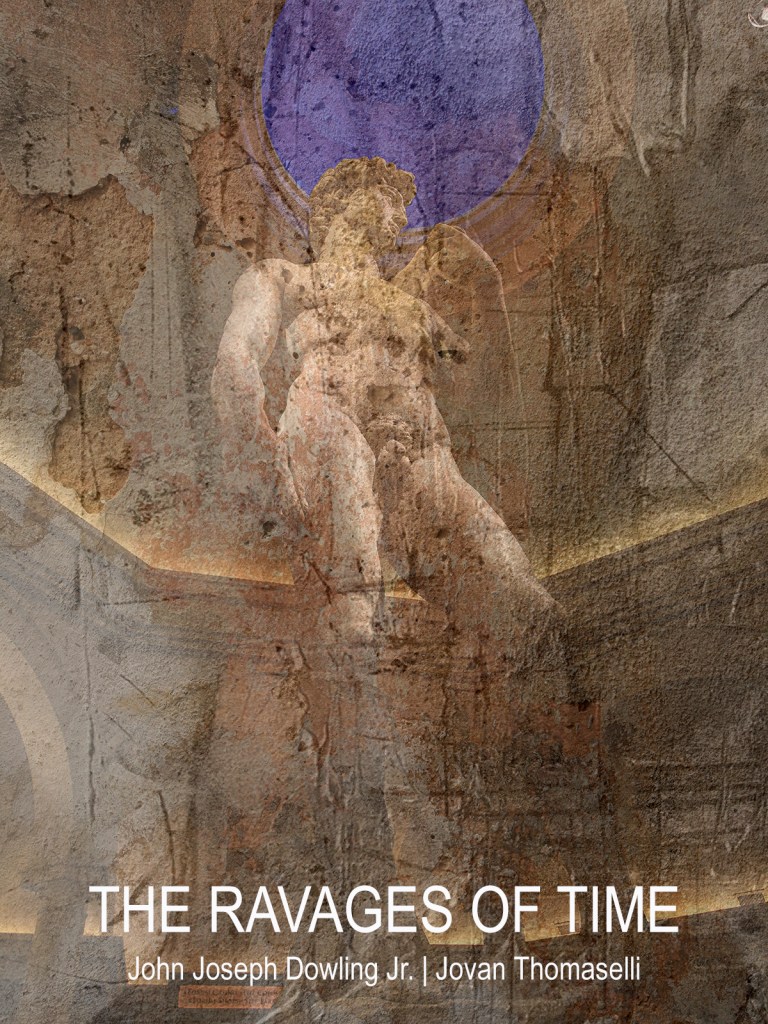
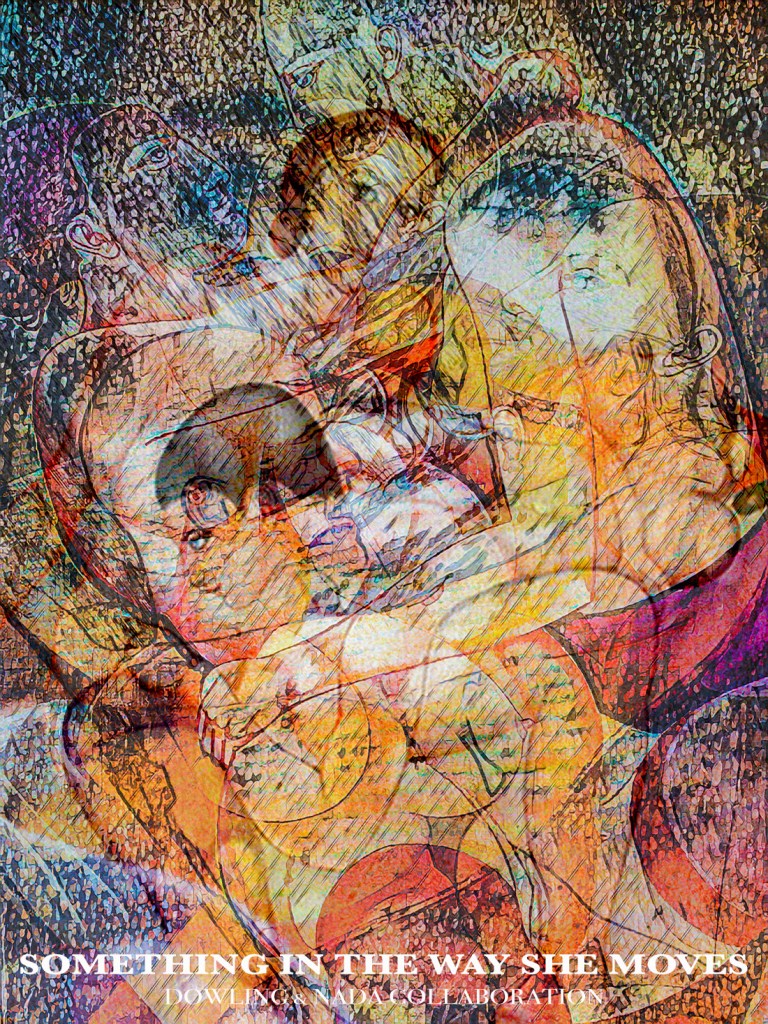
In photography, the term “double exposure” refers to a technique. Two or more exposures are made on the same piece of film or digital media. By overlaying different images, double – or multiple exposures can create unique and unexpected results. While this technique can be used for any type of photography, it is often associated with experimental and impressionist styles. Multiple exposure photography is a technique. You expose the film or your digital camera’s sensor to two or more sources of light. This results in a single photograph. The single photograph combines multiple images.
You might remember shooting on film. Or perhaps you use a vintage film camera now. If so, there’s a good chance you’ve shot a multiple-exposure photo by accident. The result was probably an unusable, over-exposed mess. Alternatively, you might have lucked out and ended up with something haunting and unique. Modern technology makes it possible to create beautiful double-exposure photographs. A bit of planning ensures they are intentional. And this is how my particular style of art started with unintentional double-exposed images that I absolutely loved!
Then I started to mimic this process in the traditional darkroom enlargers and my style of start was born. In the 80s, I was earning $1000-$5000 for 11” X 14” & 16” X 20” prints. Now, I earn tens of thousands. The history of multiple-exposure photography is as old as photography itself. In the early days of film photography, it was not uncommon for photographers to accidentally shoot a double exposure. This was often the result of reloading the film without advancing it to the next frame.
This haunting effect was one of the first special effects. It was used long before the invention of digital photography. 19th-century photographers used it to create ethereal portraits by superimposing the image of their subject over a landscape.In the 1860s, professional photographers would use double exposure as another source of revenue. They used the technique to make the subject appear in the photo twice. The subject posed differently in each instance as if they had an identical twin.
With the advent of digital photography, accidental multiple exposures all but disappeared. Instead, they have become much more intentional and controllable. Many modern DSLR cameras have numerous exposure modes built-in that make it easy to create stunning images. And now, with the rise of Instagram and hunger for vintage techniques, multiple-exposure photography has seen a resurgence in popularity.
AI faces several challenges when creating multiple exposure photography abstract images, despite significant advancements in image generation technology
- Understanding the Intricacies of Light and Exposure:
Accurate Exposure Control: AI struggles to accurately simulate the complex interplay of light and exposure in multiple-exposure photography. This can lead to overexposed or underexposed areas in the final image.
Depth of Field and Focus: AI may have difficulty understanding depth of field. It may also struggle with replicating the focus shifts that occur in multiple-exposure photography. This can result in images that lack depth and dimensionality.
- Capturing the Serendipity of Chance:
Unpredictable Results: A key aspect of multiple-exposure photography is the element of chance and surprise. AI models often rely on deterministic algorithms. This reliance makes it difficult to replicate the unexpected results. Spontaneous results can occur in real-world photography.
Artistic Intuition: Human photographers often have an intuitive understanding of composition, color theory, and visual balance. AI models, while improving, still lack the same level of artistic intuition.
- Dealing with Complex Overlays and Blending:
Image Alignment and Registration: Accurately aligning and registering multiple images can be challenging for AI. This is especially true when dealing with complex compositions and different perspectives.
Blending Modes and Transparency: AI models may struggle to choose the appropriate blending modes. They might also find it difficult to set transparency levels to create seamless and visually appealing composites.
- Limited Training Data:
Lack of Diverse Datasets: AI models require large amounts of diverse training data to learn and improve. However, there may be limited availability of high-quality multiple-exposure photography datasets. This limitation can hinder the development of AI models in this area.
AI has made significant progress in recent years. It still has limitations in replicating the unique and often unpredictable results of multiple-exposure photography. However, AI technology is evolving. We can expect to see further advancements in this area. These advancements will lead to more sophisticated and creative image-generation capabilities.
In the meantime, humans (LIKE ME) will remain the best at creating transparent composites. They excel at producing multiple exposed photographs that are both visually appealing and meaningful.


4 Comments: