

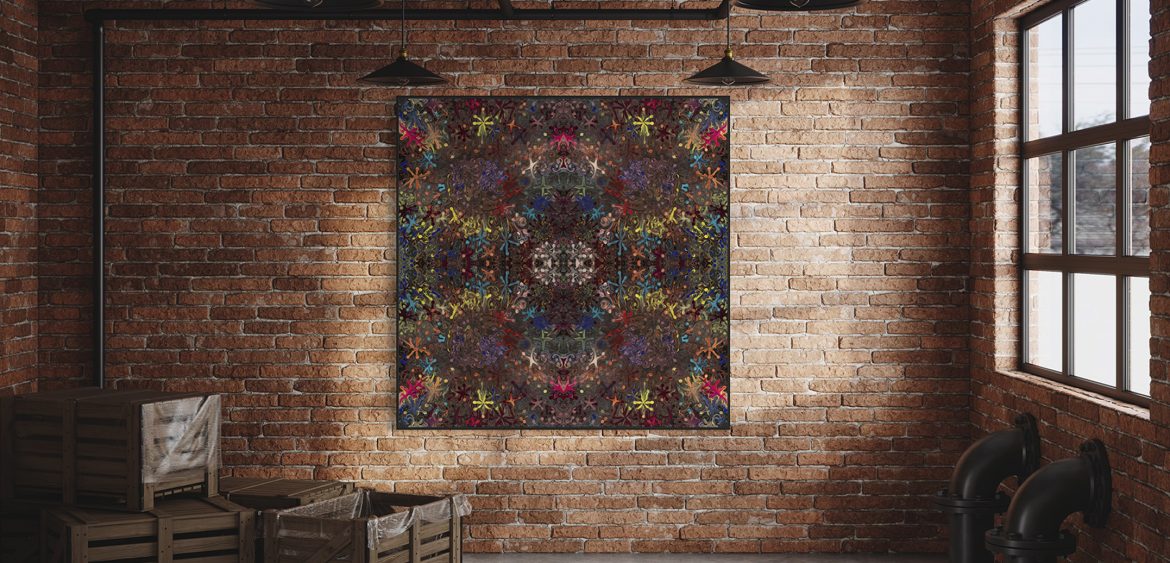
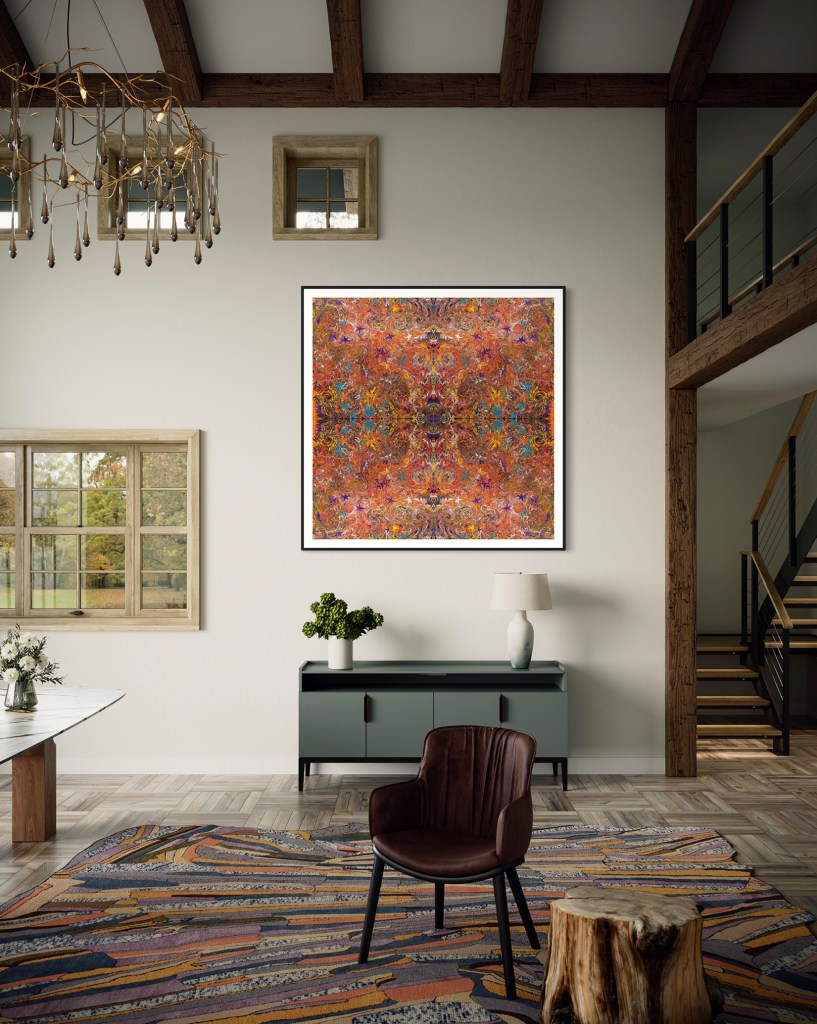
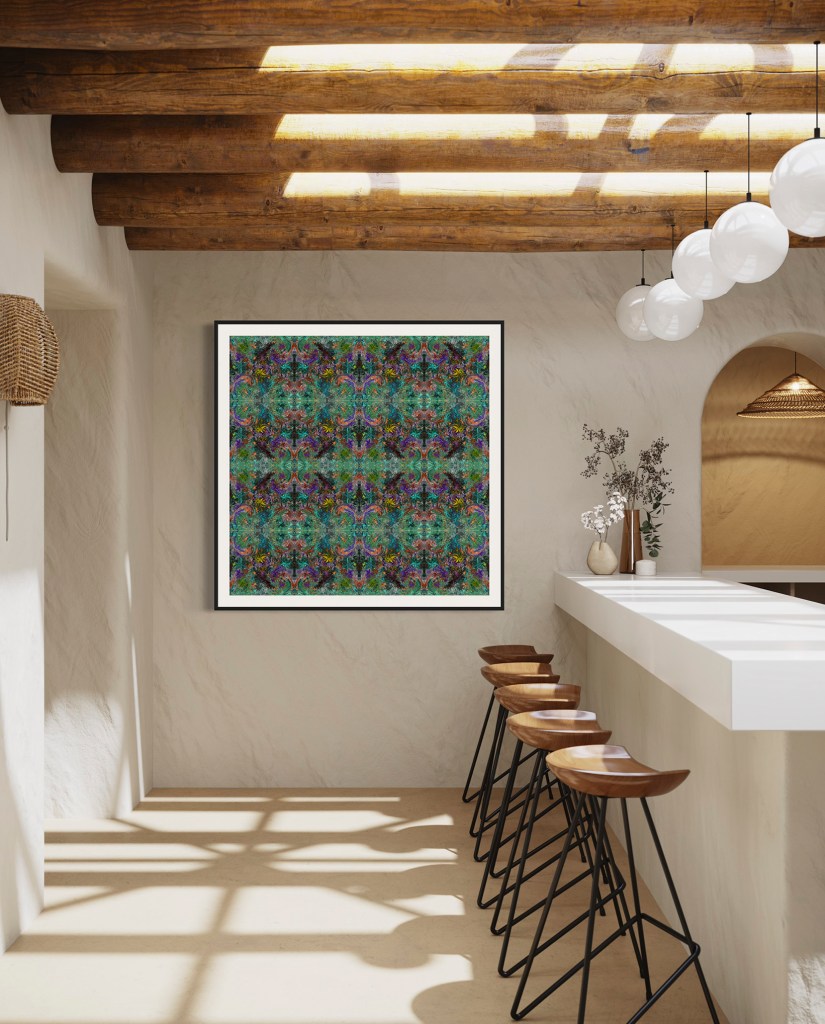
Art is a multifaceted concept that goes far beyond simple symmetry! It’s a delicate dance of visual weight, color, shape, and placement. These elements work together to create a harmonious and engaging composition. Let’s explore the intricate ways John Dowling utilizes balance in his art, drawing from the comprehensive overview you’ve provided:
1. Symmetrical Balance: The Foundation of Harmony
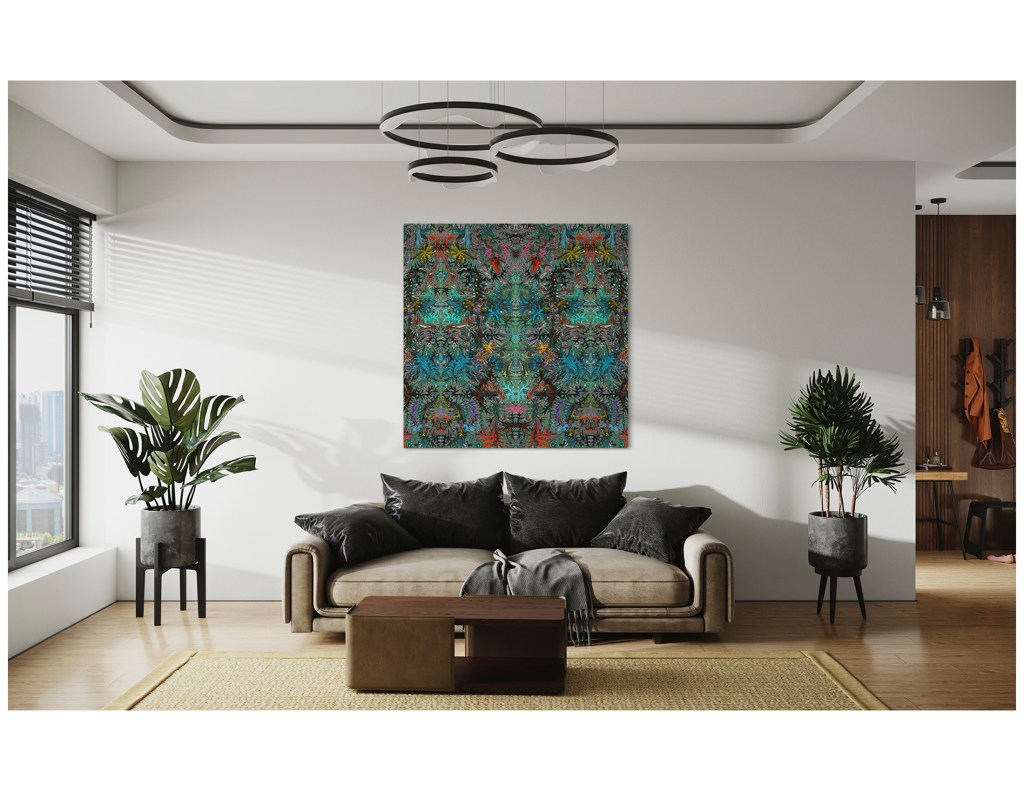
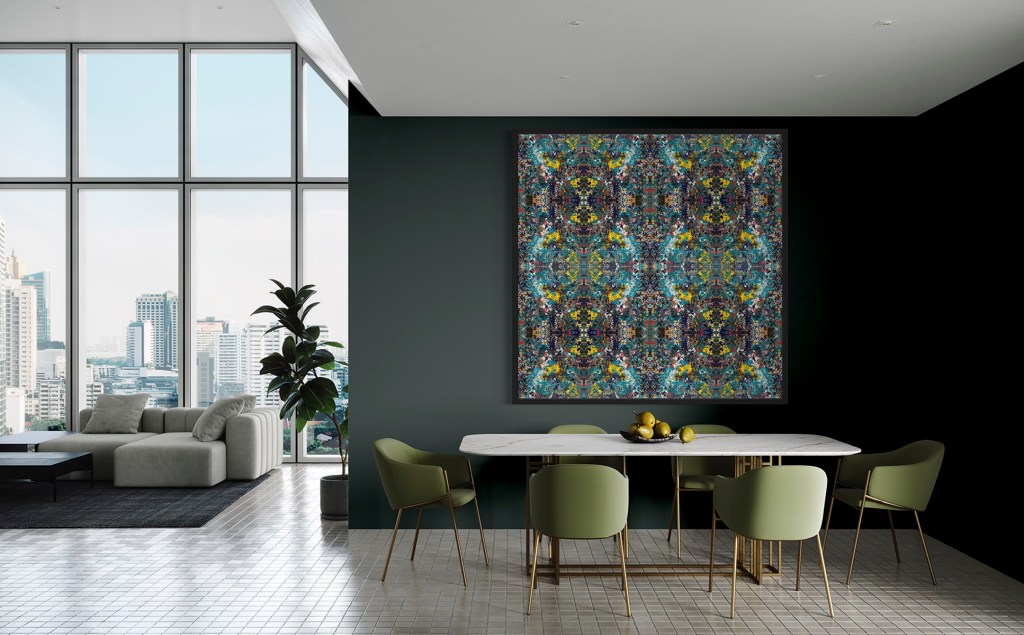
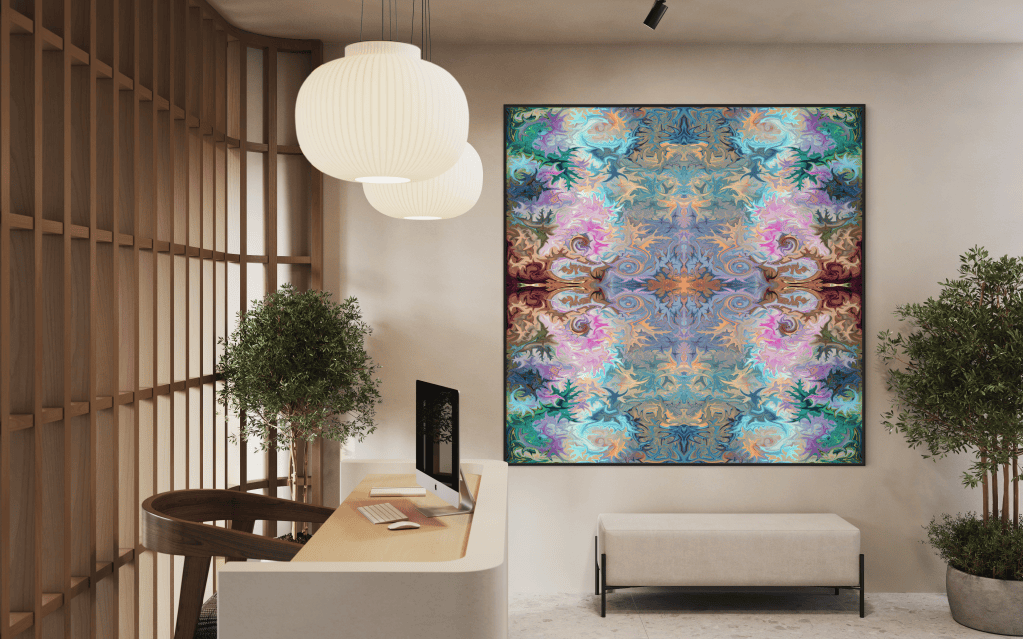
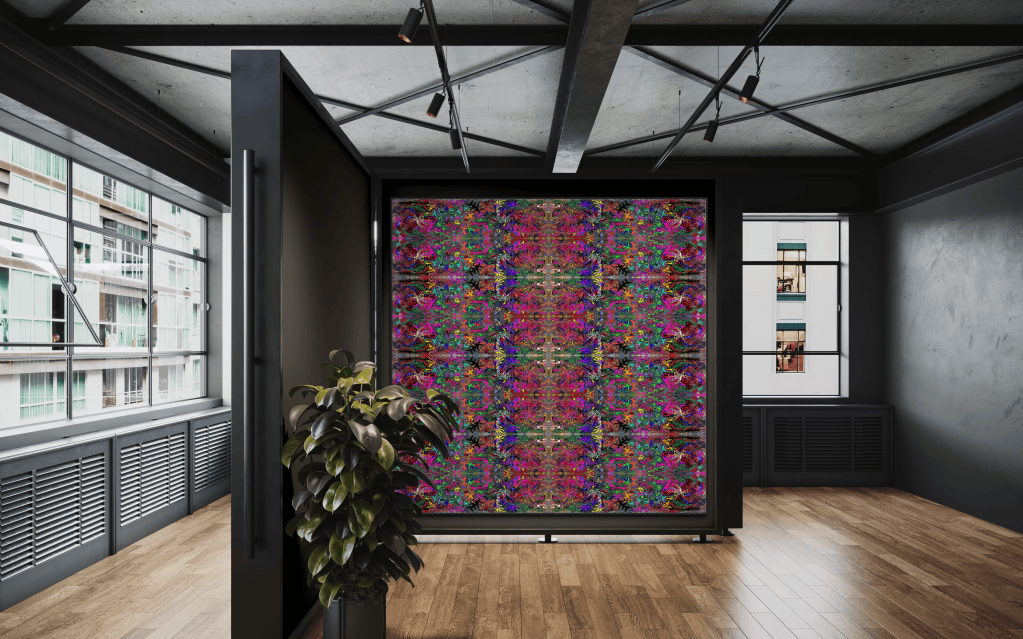
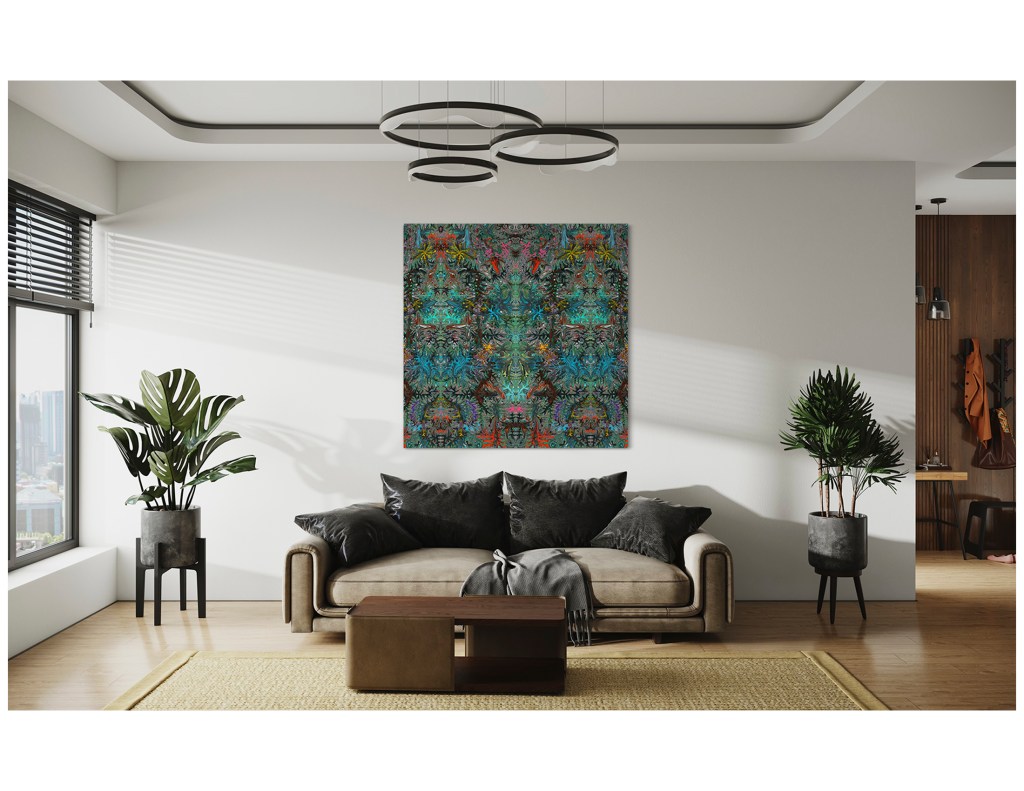
- Bilateral Symmetry: A Mirror to Perfection: John Dowling often employs bilateral symmetry. A central axis divides the composition into two identical halves. This technique is particularly evident in his depictions of classic cars. The sleek lines and balanced proportions of the vehicles are mirrored perfectly. This creates a sense of order, elegance, and timelessness, highlighting the inherent beauty of these iconic machines.
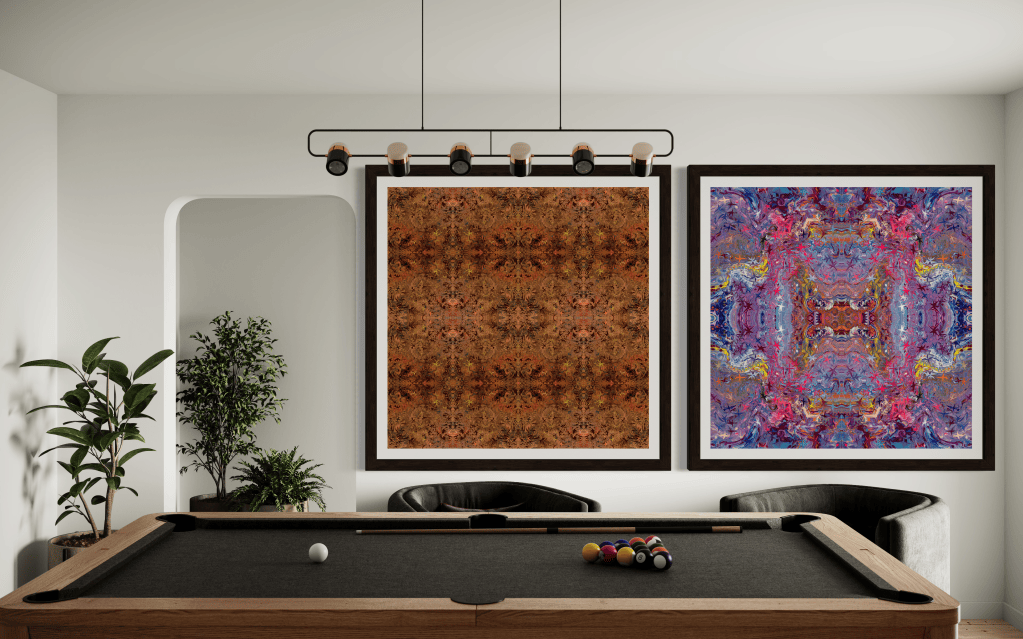
- Approximate Symmetry: A Touch of Imperfection: Perfect symmetry can be visually striking. However, John Dowling also understands the allure of approximate symmetry. By introducing subtle variations between the two halves of a composition, he creates a more dynamic and engaging visual experience. This technique is evident in his urban landscapes. Abstract buildings and streets might be slightly off-kilter. This adds a touch of realism and dynamism to the scene.
2. Asymmetrical Balance: The Dance of Visual Weight
- Balancing Opposites: John Dowling masterfully employs asymmetrical balance. Different elements on either side of a composition are balanced by their visual weight. Understanding the role of color, shape, size, and placement is essential. These factors all contribute to the overall equilibrium of an image. He might juxtapose a large, bold shape on one side. On the other side, he might place a cluster of smaller, intricate details. This creates a dynamic interplay that keeps the viewer engaged.
- Creating Visual Tension: Asymmetry can introduce a sense of tension and movement into a composition. John Dowling might use contrasting colors or textures to create a visual push and pull. This technique leads the viewer’s eye through the artwork. It creates a sense of dynamism.
3. Radial Balance: The Hypnotic Pull
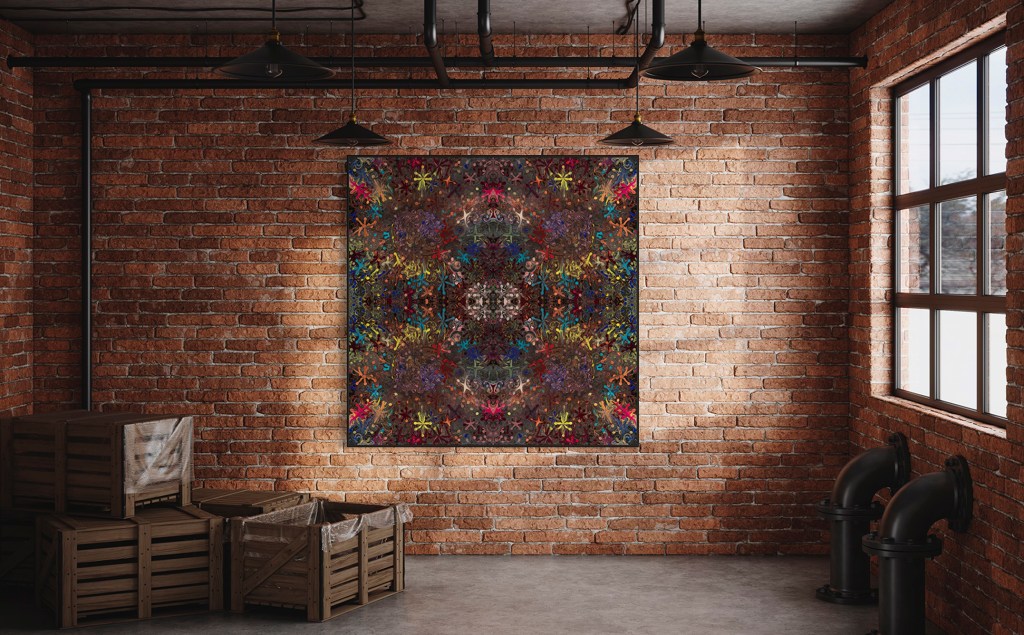
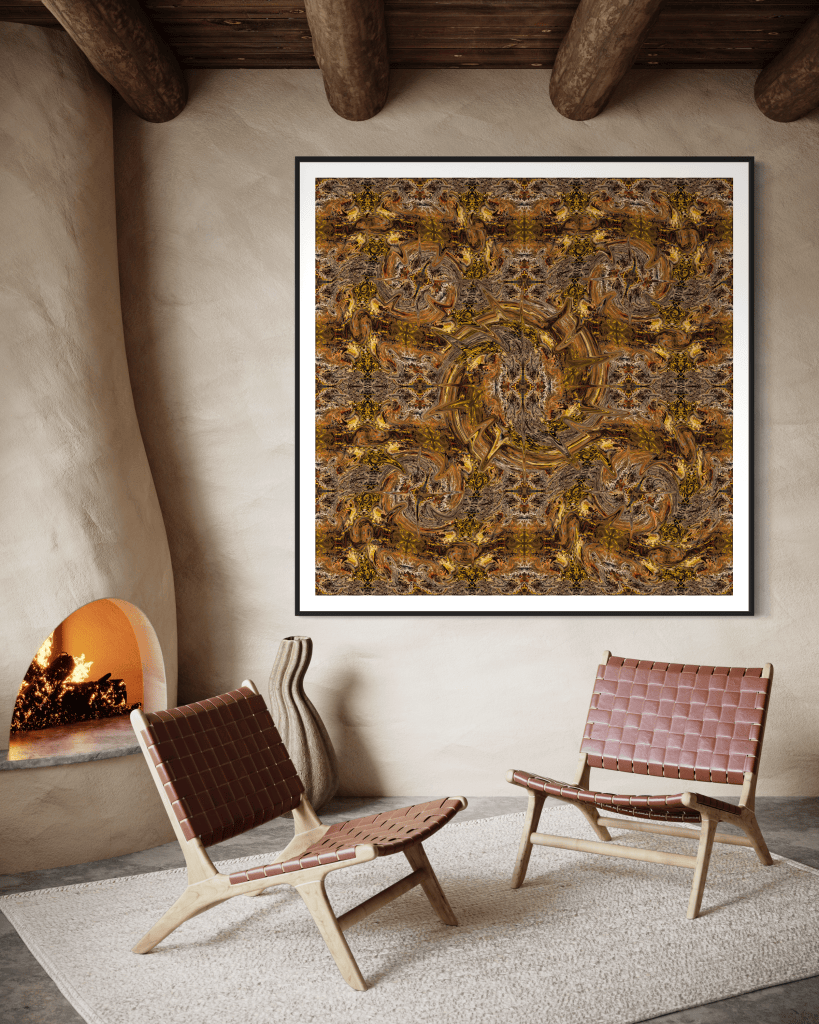
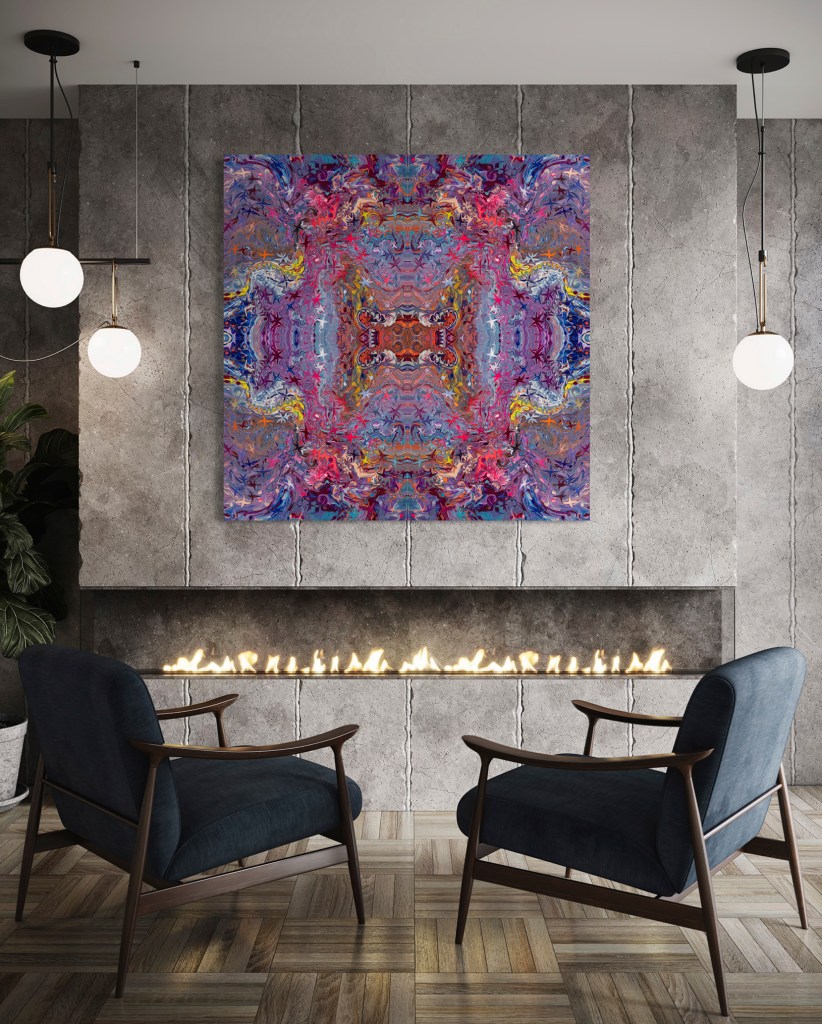
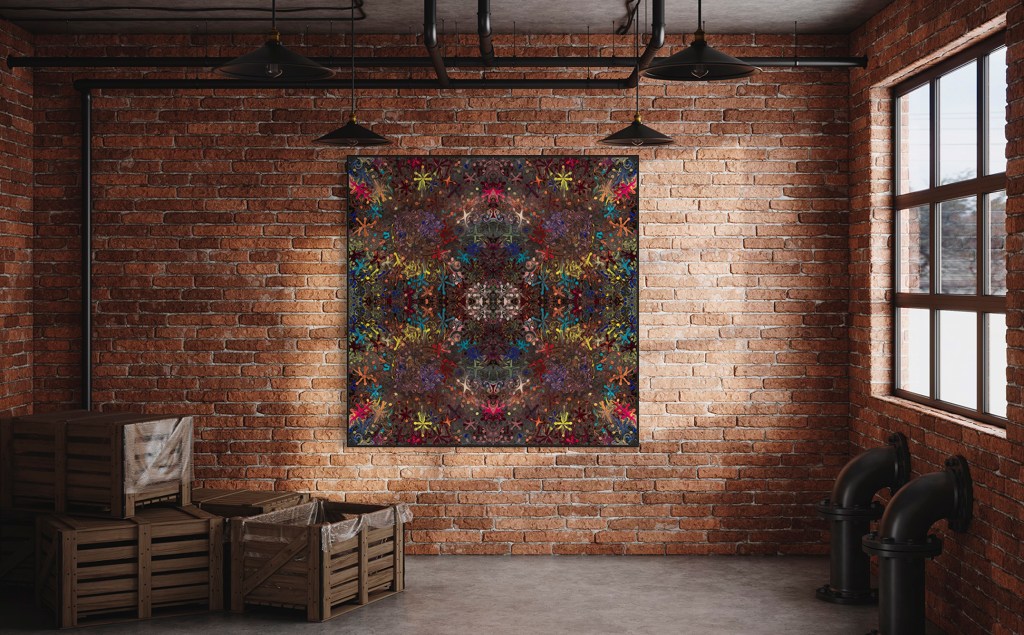
- Circles of Influence: Radial balance occurs when elements radiate from a central point. This technique creates a mesmerizing effect. It draws the viewer’s eye inward. Dowling utilizes this technique in his circular compositions, often featuring abstract pinwheels, starbursts, geometric flowers, or spacelings as focal points. The radiating spokes or patterns create a sense of movement and energy. At the same time, the overall symmetry maintains a sense of balance and harmony.
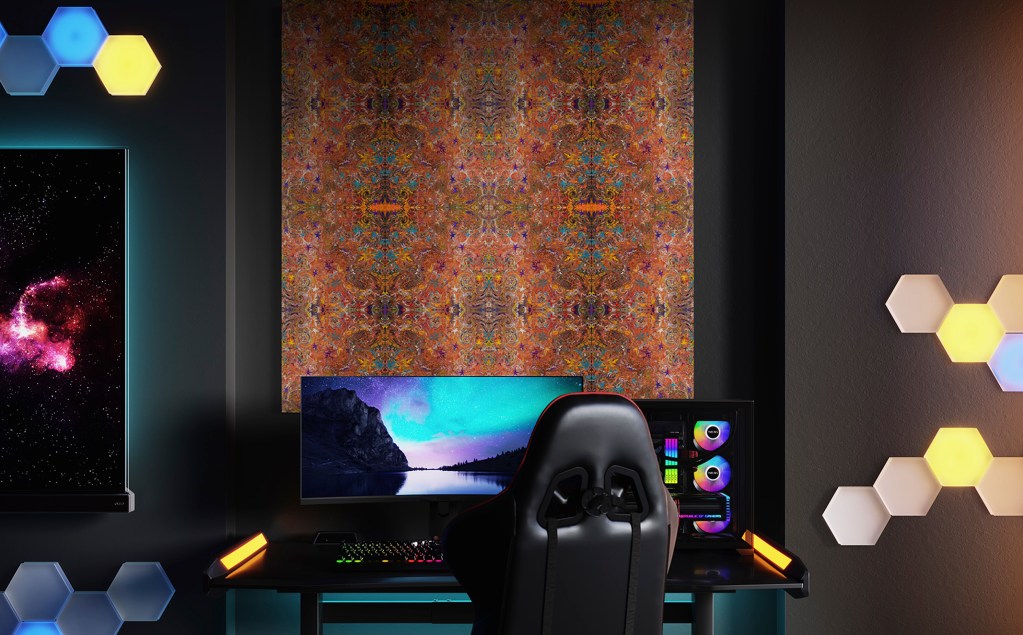
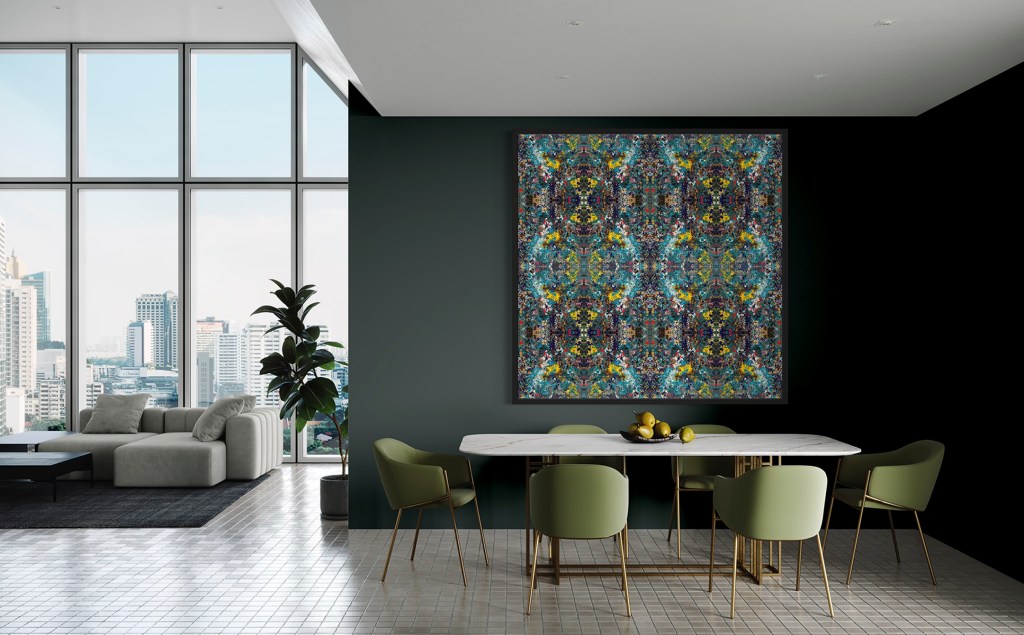
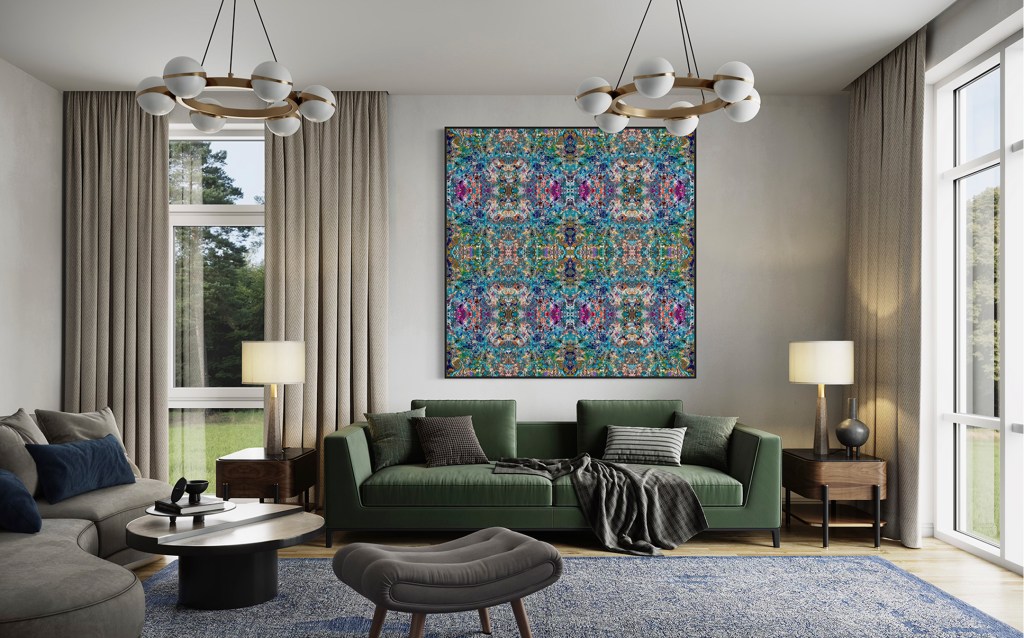
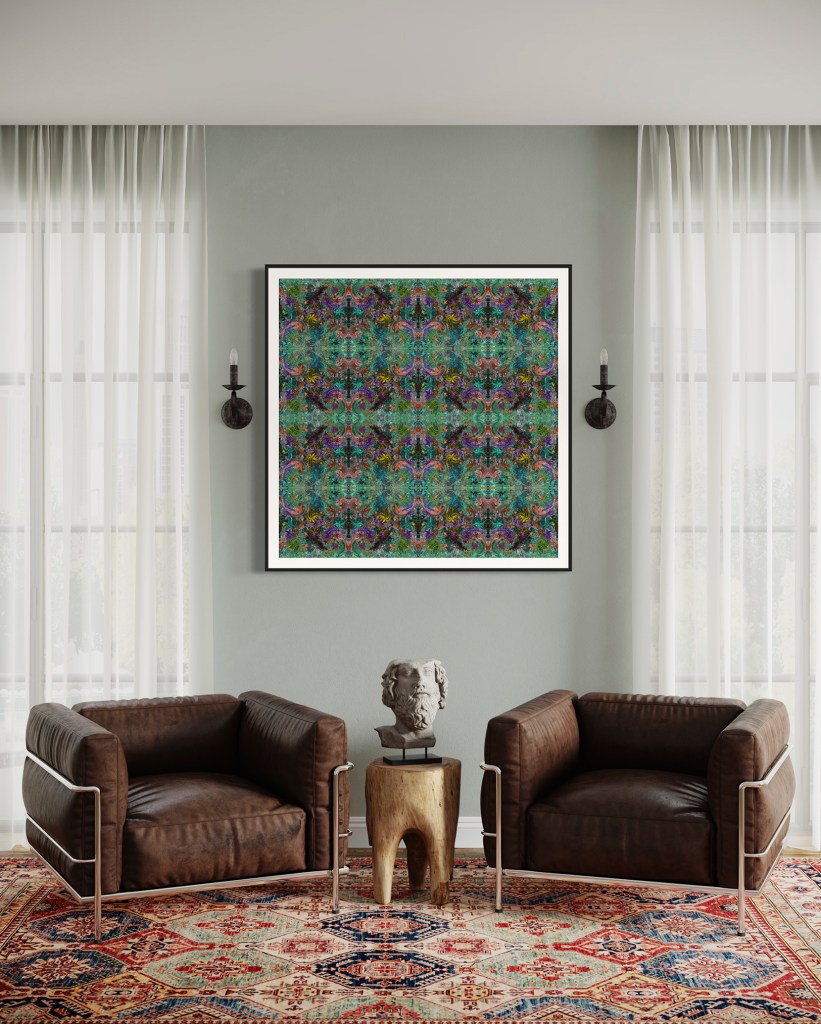
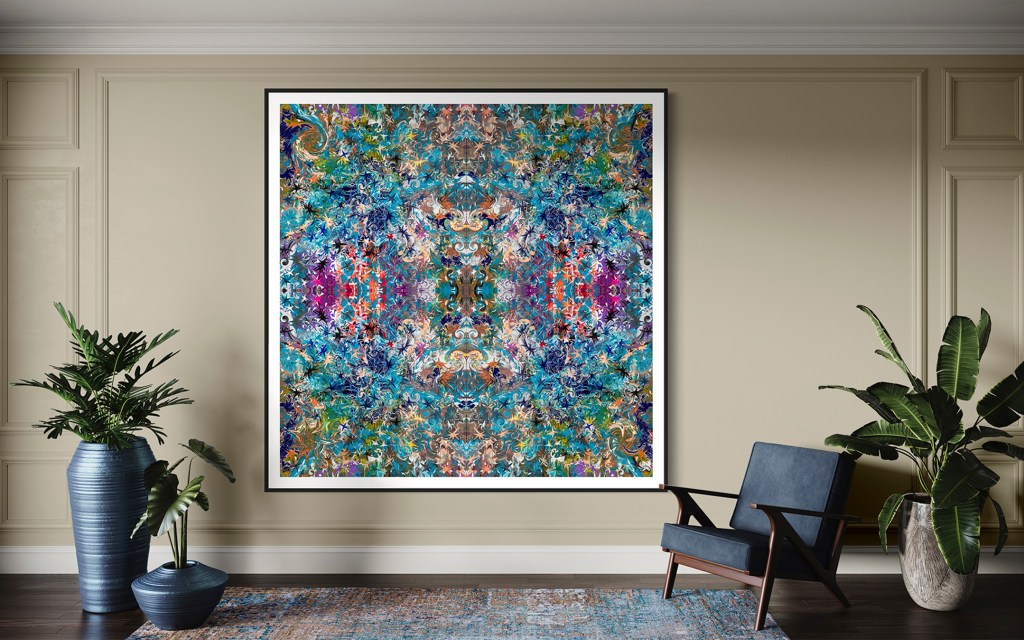
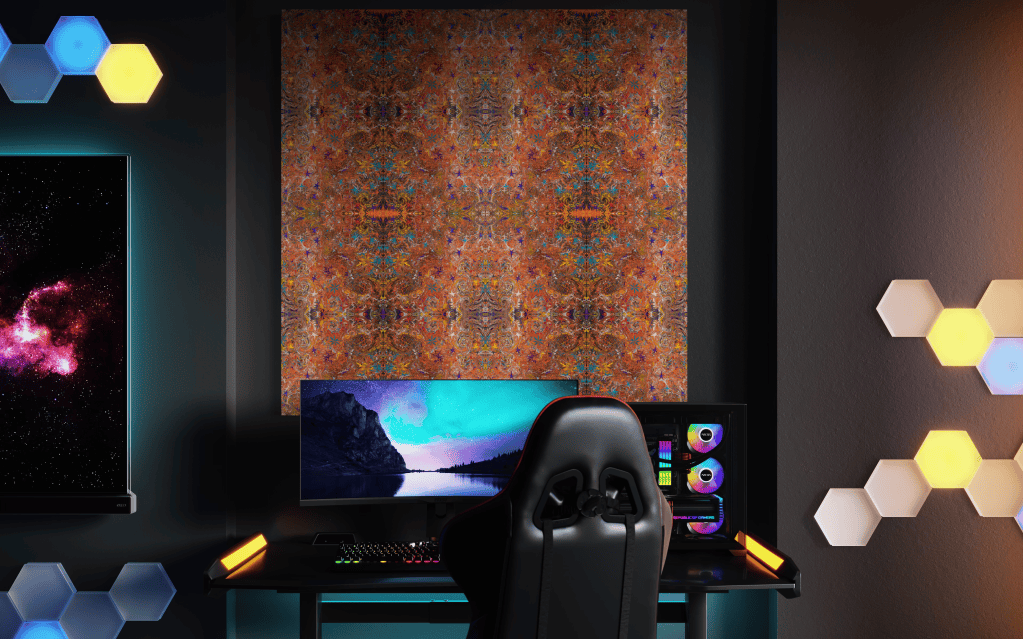
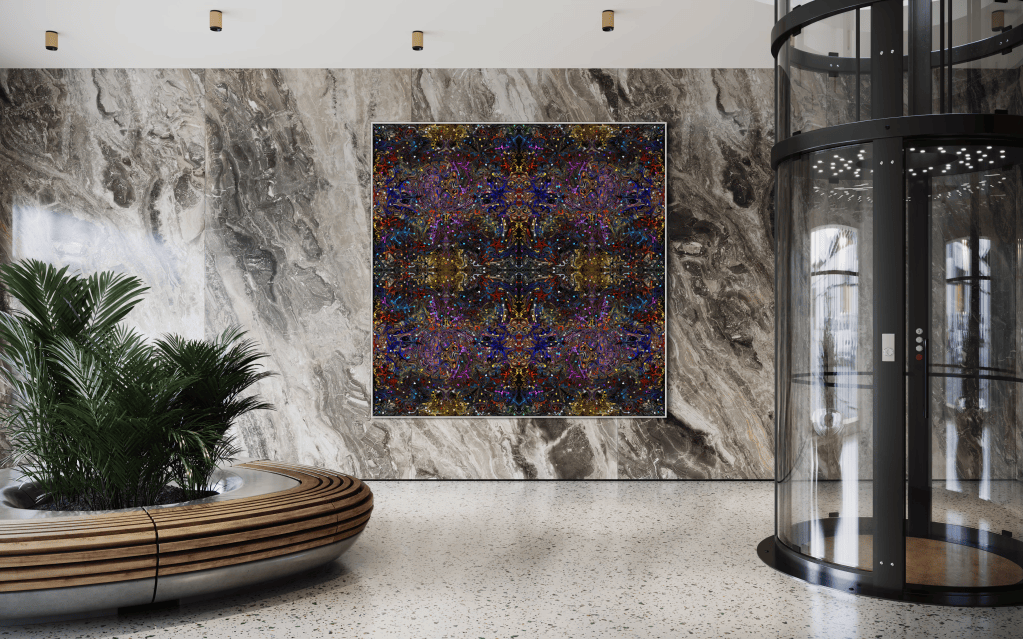
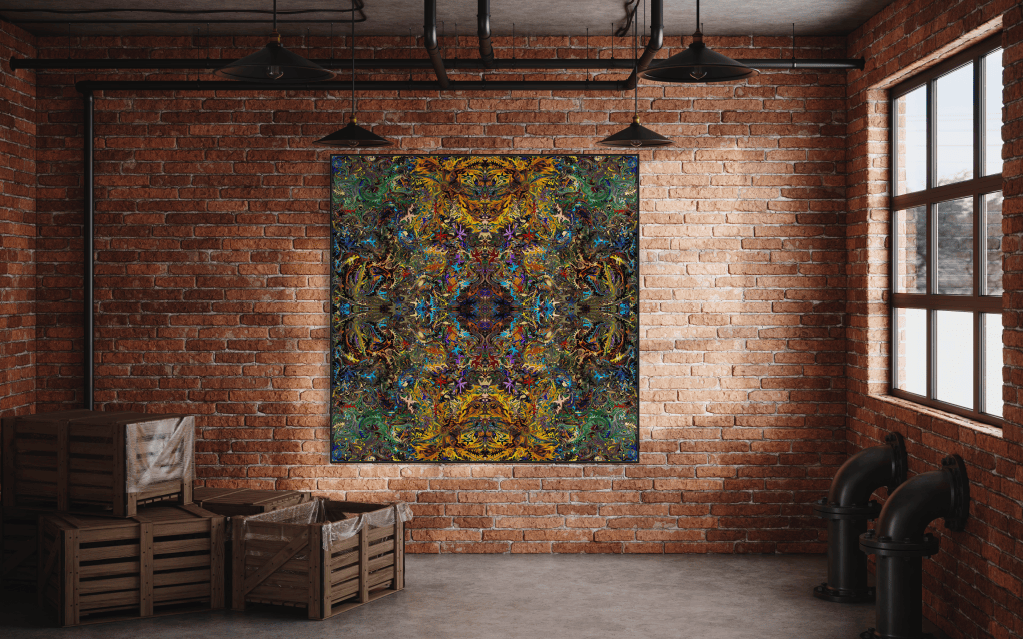
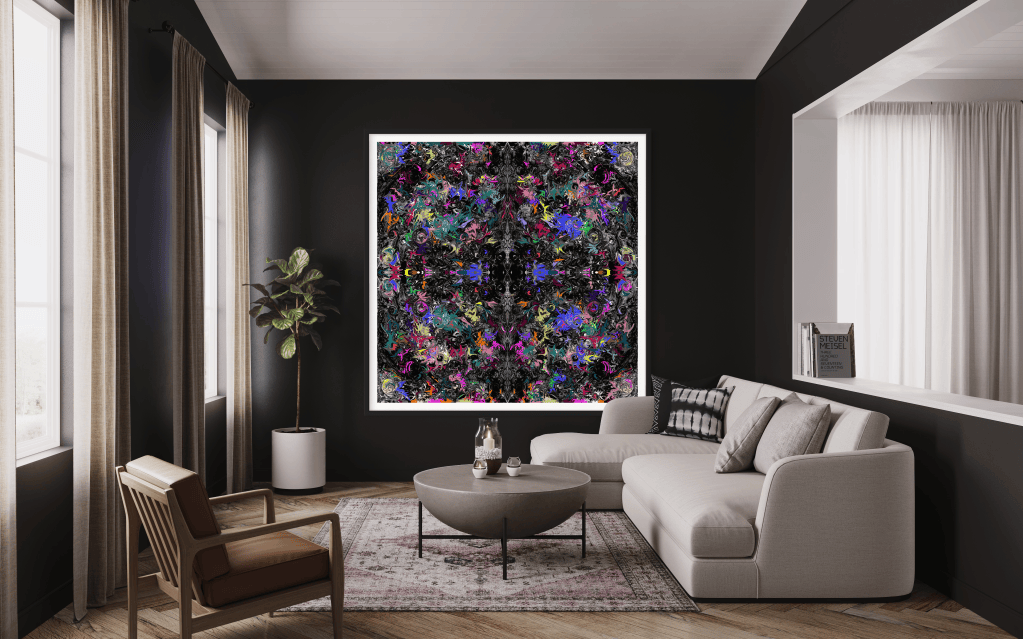
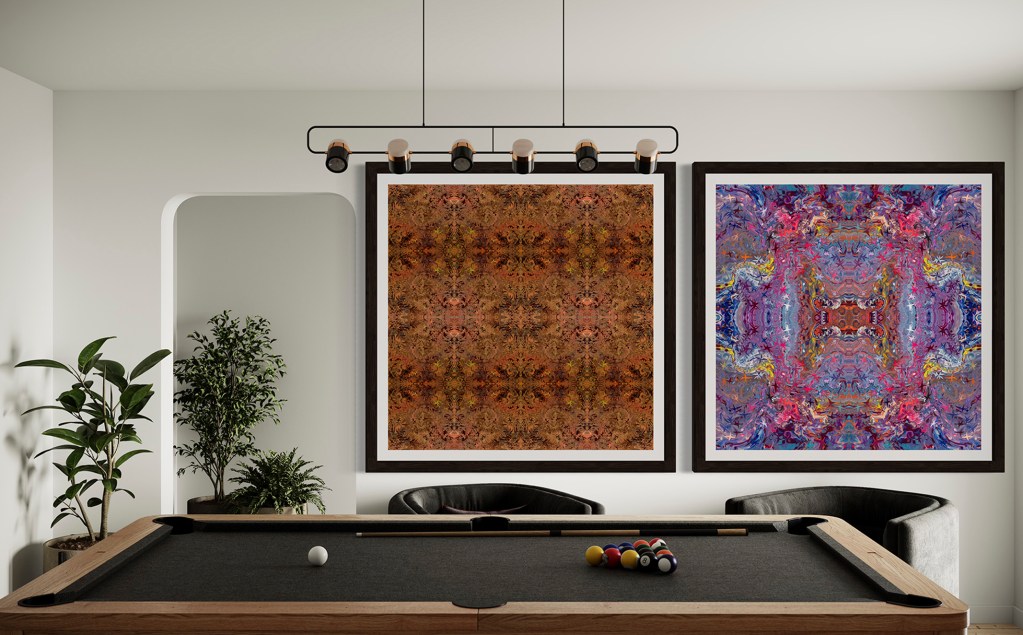
- Kaleidoscope of Colors: John Dowling’s kaleidoscopic compositions, with their vibrant colors and intricate patterns, are prime examples of radial balance. These works evoke a sense of wonder. They invite viewers to lose themselves in the mesmerizing dance of shapes and hues.
4. Crystallographic Balance: Ordered Chaos
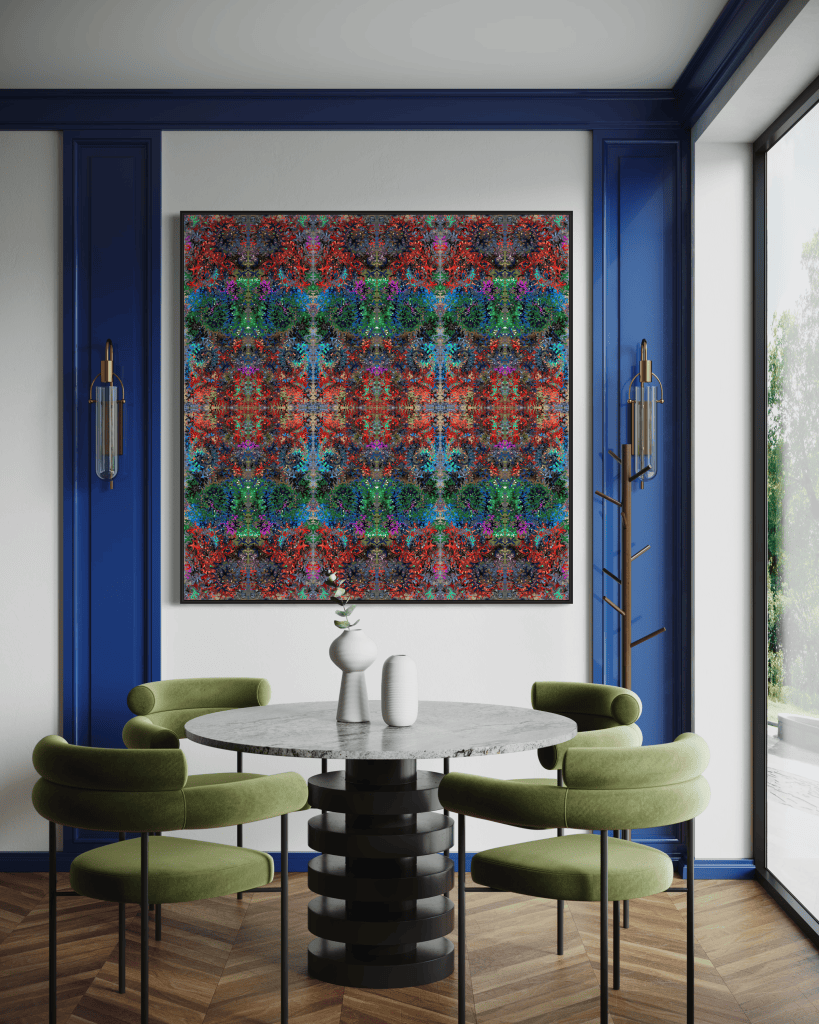
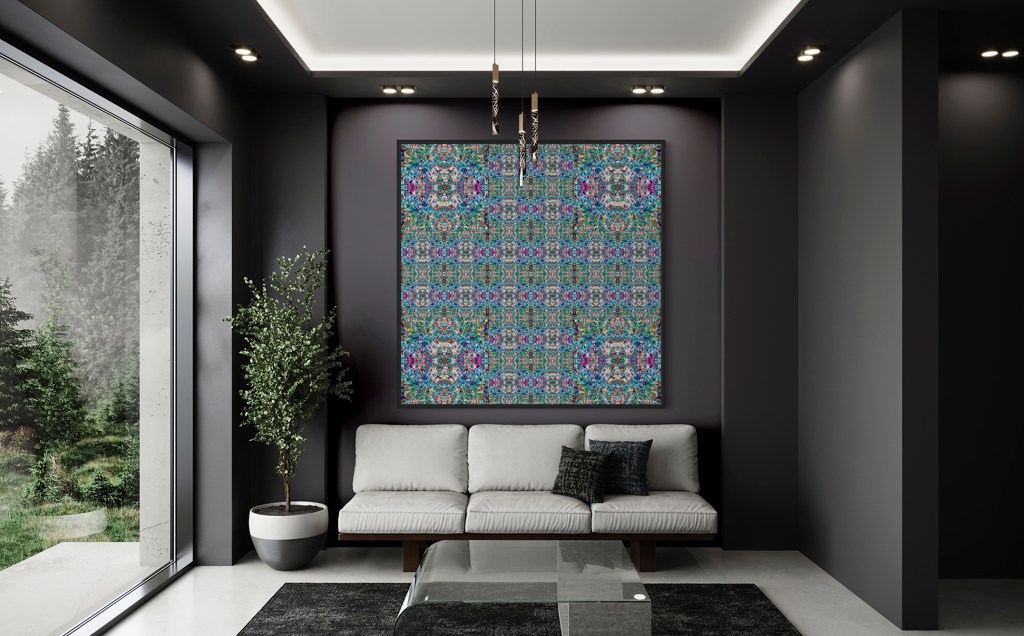
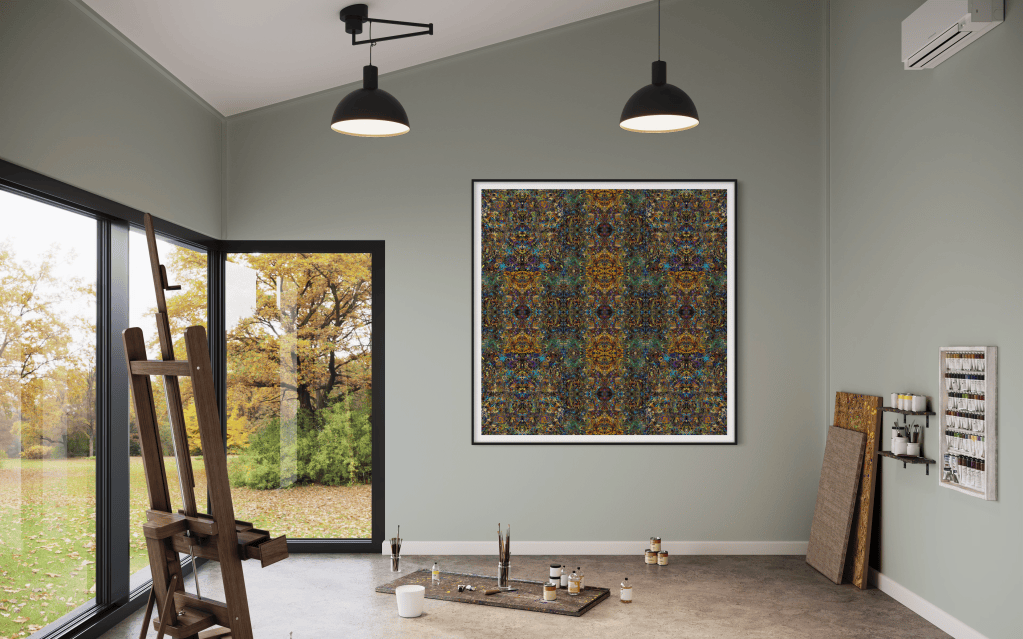
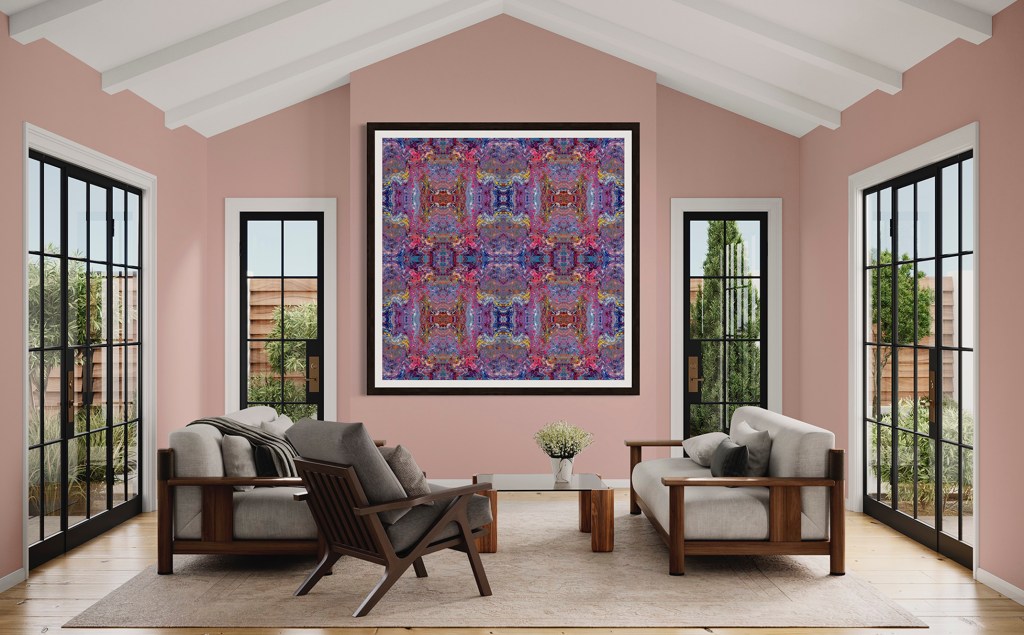
- A Tapestry of Textures: Crystallographic balance is also known as mosaic balance. It is achieved through the repetition of multiple elements. This repetition creates a sense of “ordered chaos.” John Dowling often uses this technique to create intricate backgrounds or textures within his compositions. The repetition of shapes and patterns creates a sense of unity and cohesion. Variations in color and placement add visual interest and complexity.
The Elements of Balance: A Symphony of Visual Cues
John Dowling’s masterful use of balance is further enhanced by his understanding of how different elements contribute to visual weight:
- Color: He skillfully utilizes color value, saturation, and hue to create balance and visual interest. Bright colors, warm hues, and saturated tones carry more visual weight than their counterparts. This quality allows him to create dynamic compositions. Different elements interact and harmonize in these compositions.
- Shape and Size: Dowling plays with the size and complexity of shapes to achieve balance. Larger shapes naturally carry more weight, but a cluster of smaller shapes can effectively counterbalance a larger one. He also utilizes negative space strategically, allowing empty areas to contribute to the overall balance of the composition.
- Line and Texture: Thick lines and textured surfaces carry more visual weight than thin lines and smooth surfaces. Dowling uses these elements to create contrast and visual interest. They guide the viewer’s eye through the composition. This approach creates a sense of depth and dimension.
- Placement: The placement of elements within a composition is crucial for achieving balance. Dowling carefully considers the position of each element, using its location to create visual weight and direct the viewer’s gaze.











The Legacy of Balance in Dowling’s Art
John Dowling’s art is a testament to the power of balance in creating visually captivating and emotionally resonant compositions. He skillfully utilizes various types of balance. He understands the interplay of visual elements. He creates works that are both harmonious and dynamic. These works invite viewers to explore the complexities of his artistic vision. His art serves as a reminder that balance is not just about achieving visual equilibrium. It is about creating a harmonious interplay of elements. This speaks to the soul and inspires a sense of wonder.
Symmetrical balance has been used in art throughout history. It is evident in classical Greek and Roman architecture. You can also see it in the Taj Mahal in India. Leonardo Da Vinci’s Vitruvian Man is one famous example of symmetrical balance. It depicts a man with his arms and legs outstretched in a perfect circle and square.
In painting, symmetrical balance was often used in religious art to convey a sense of order and harmony. Vincent van Gogh’s painting “The Starry Night” demonstrates symmetrical balance. It features a cypress tree on one side and the village on the other side of the painting.
Symmetrical balance involves dividing a composition into equal parts on either side of a central axis. Asymmetrical balance involves creating balance through the use of different visual elements. Radial balance, on the other hand, involves arranging visual elements around a central point. Symmetrical and asymmetrical balance create a sense of stability. Radial balance can create a sense of movement and energy in the design.


2 Comments: