

A Venetian Rhapsody: Love, Art, and the City of Water
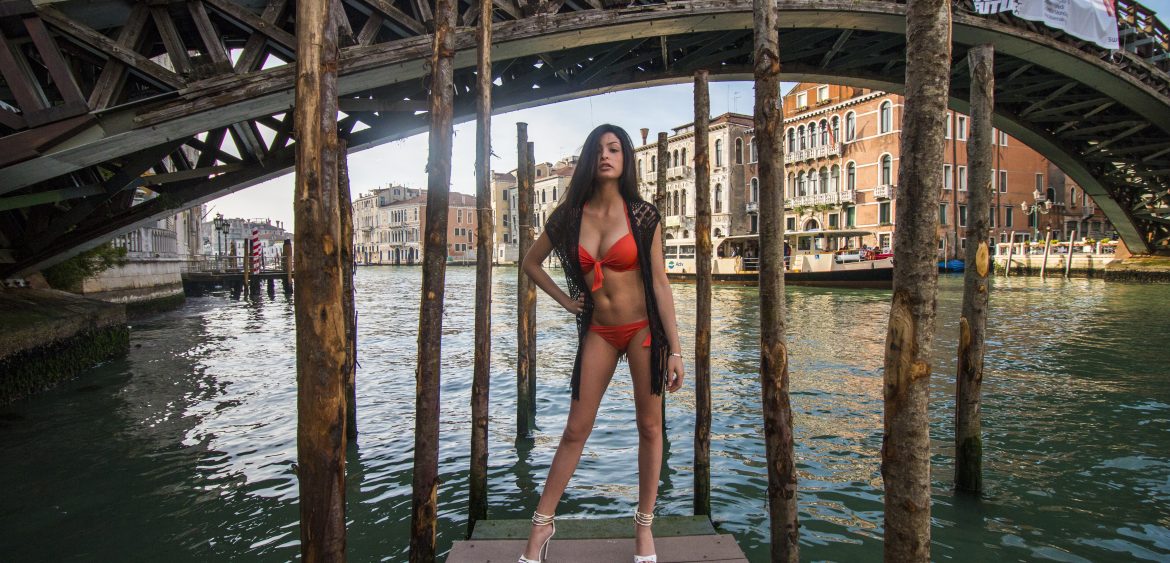
The canals of Venice shimmered under the golden light of a late summer afternoon. Their waters reflected the grandeur of centuries-old palazzos. The vibrant hues of laundry strung across balconies added to the scene. John Dowling, camera in hand, navigated the labyrinthine waterways, his lens capturing the essence of this enchanting city. He had arrived with two models, both named Celine. They were on a month-long assignment for Model Citizens Magazine. Their task was to showcase European fashion against the backdrop of Venice’s timeless beauty.
But as the days unfolded, an unexpected narrative began to weave itself into the fabric of their Venetian adventure. The two Celine’s shared a passion for modeling. They also enjoyed newfound freedom in this enchanting city. Together, they embarked on an exploration of their own. Their friendship blossomed into a playful flirtation, a dance of attraction that blurred the lines between platonic and romantic.
John Dowling, ever the observer of human nature, captured their evolving connection through his lens. He documented their laughter as they strolled through Piazza San Marco. He captured their playful splashes in the cool waters of the canals. Their lingering glances spoke volumes of unspoken desires.
One evening, the sun dipped below the horizon. It cast a golden glow over the city. The Celine’s, emboldened by the Venetian magic, shed their inhibitions. They posed nude for Dowling’s camera. Their bodies intertwined and bathed in the soft light. This scene became a testament to the beauty of human connection. Their forms echoed the curves and contours of the ancient city.
These intimate moments, captured in John Dowling’s photographs, became the foundation for a series of abstract artworks. He transformed the images. He manipulated light and shadow. He blurred the lines between reality and imagination. He created a visual symphony celebrating the beauty of the female form. This symphony also captures the complexities of human relationships.


Venice: A City of Timeless Beauty and Fragile Resilience
Venice, a city built on water, has captivated artists and dreamers for centuries. Its intricate network of canals, its grand palazzos, and its rich history create an atmosphere of romance and intrigue. But this enchanting city is also facing an existential threat: the rising tides of global warming.
- A City on the Brink: Venice’s delicate balance with the sea is being disrupted. Rising sea levels and increasingly frequent floods are causing this disruption. The aqua Alta, the city’s infamous high tides, are becoming more severe. They inundate streets and damage historic buildings. These high tides threaten the city’s very existence.
- The Impact of Climate Change: Global warming is accelerating the melting of glaciers. It is also causing polar ice caps to melt, contributing to rising sea levels worldwide. Venice, with its low-lying position and intricate canal system, is particularly vulnerable to these changes.
- Preservation Efforts: Efforts are underway to protect Venice from the encroaching waters. These include the construction of flood barriers and the restoration of historic buildings. The future of this iconic city remains uncertain. This uncertainty is a stark reminder. We urgently need to address climate change and protect our planet’s fragile ecosystems.
A Venetian Legacy:
John Dowling’s time in Venice deeply impacted his artistic soul. Venice is a city steeped in history and facing an uncertain future. Venice’s beauty, fragility, and resilience became part of his personal journey. They inspired his art. They shaped his perspective on the world.
His photographs of the Celine’s captured their playful flirtation. They embraced their newfound freedom. These images became a testament to the transformative power of love and the enduring spirit of human connection. Venice is facing the challenges of a changing climate. John Dowling’s art serves as a reminder to cherish the beauty and fragility of our world. It captures the essence of our world before it’s lost to the tides of time.


2 Comments: