

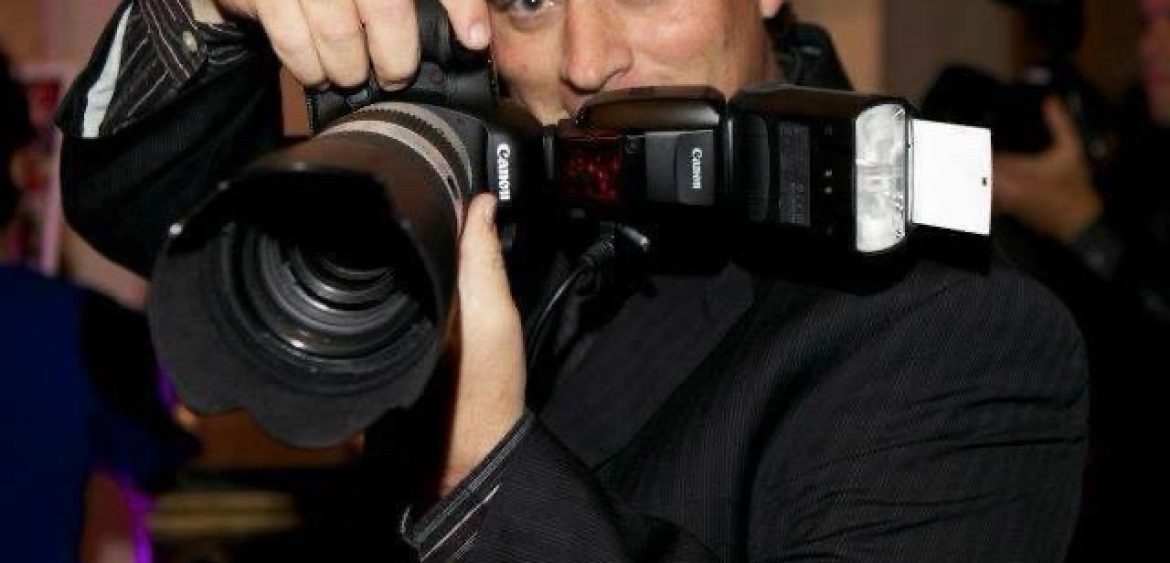
John Dowling’s life work was a love letter to light. For over 30 years, he transformed Natural Light Studios into a unique space. Here, sunlight wasn’t just an illumination tool. It was the protagonist. John Dowling wasn’t merely a photographer. He wasn’t just a videographer. He was a craftsman. He shaped beams of natural light into art. This art rivals the precision of the most expensive studio equipment.
His journey began humbly. It did not start in a studio filled with elaborate gear. Instead, it began outside, observing the way sunlight painted the world. He was mesmerized by how light seeped through cracks, reflected off surfaces, and danced across textures. A walk through a city wasn’t just a stroll for Dowling. It was an exploration of how the glass panes of skyscrapers refracted sunlight. He noted how concrete softened its edges. He also saw how trees broke it into speckled patterns.
A Studio Without Walls
While others saw sunlight as fleeting and unpredictable, Dowling saw an opportunity. He became a master of predicting the sun’s path, memorizing the angles it would strike throughout the day. The reflective glass of modern office buildings became his secret weapon. Where others saw cold, impersonal architecture, he saw canvases waiting to redirect sunlight into his scenes.


File Name : DSC_4716.JPG File Size : 2.3MB (2415129 Bytes) Date Taken : 2002/07/08 06:13:04 Image Size : 3008 x 1960 pixels Resolution : 300 x 300 dpi Bit Depth : 8 bits/channel Protection Attribute : Off Hide Attribute : Off Camera ID : N/A Camera : NIKON D1X Quality Mode : FINE Metering Mode : Spot Exposure Mode : Programmed Auto Speed Light : Yes Focal Length : 400 mm Shutter Speed : 1/350 second Aperture : F9.5 Exposure Compensation : 0 EV White Balance : Auto Lens : 80 – 400 mm F 4.5 – 5.6 Flash Sync Mode : Normal Exposure Difference : 0.0 EV Flexible Program : No Sensitivity : ISO125 Sharpening : Normal Image Type : Color Color Mode : Mode I(sRGB) Hue Adjustment : 3 Saturation Control : N/A Tone Compensation : Less Contrast Latitude(GPS) : N/A Longitude(GPS) : N/A Altitude(GPS) : N/A 


File Name : DSC_0620.JPG File Size : 1.7MB (1773552 Bytes) Date Taken : 2002/05/11 08:51:38 Image Size : 3008 x 1960 pixels Resolution : 300 x 300 dpi Bit Depth : 8 bits/channel Protection Attribute : Off Hide Attribute : Off Camera ID : N/A Camera : NIKON D1X Quality Mode : FINE Metering Mode : Matrix Exposure Mode : Aperture Priority Speed Light : Yes Focal Length : 24 mm Shutter Speed : 1/320 second Aperture : F2.8 Exposure Compensation : +0.7 EV White Balance : Auto Lens : 17 – 35 mm F 2.8 Flash Sync Mode : Normal Exposure Difference : 0.0 EV Flexible Program : No Sensitivity : ISO125 Sharpening : Normal Image Type : Black & White Color Mode : Mode I(sRGB) Hue Adjustment : 3 Saturation Control : N/A Tone Compensation : Black & White Latitude(GPS) : N/A Longitude(GPS) : N/A Altitude(GPS) : N/A 


File Name : DSC_0602.JPG File Size : 2.7MB (2805091 Bytes) Date Taken : 2002/05/11 08:48:46 Image Size : 3008 x 1960 pixels Resolution : 300 x 300 dpi Bit Depth : 8 bits/channel Protection Attribute : Off Hide Attribute : Off Camera ID : N/A Camera : NIKON D1X Quality Mode : FINE Metering Mode : Matrix Exposure Mode : Aperture Priority Speed Light : Yes Focal Length : 35 mm Shutter Speed : 1/350 second Aperture : F2.8 Exposure Compensation : +0.7 EV White Balance : Auto Lens : 17 – 35 mm F 2.8 Flash Sync Mode : Normal Exposure Difference : 0.0 EV Flexible Program : No Sensitivity : ISO125 Sharpening : Normal Image Type : Color Color Mode : Mode I(sRGB) Hue Adjustment : 3 Saturation Control : N/A Tone Compensation : Normal Latitude(GPS) : N/A Longitude(GPS) : N/A Altitude(GPS) : N/A 


File Name : DSC_4708.JPG File Size : 2.6MB (2752984 Bytes) Date Taken : 2002/07/08 06:12:09 Image Size : 3008 x 1960 pixels Resolution : 300 x 300 dpi Bit Depth : 8 bits/channel Protection Attribute : Off Hide Attribute : Off Camera ID : N/A Camera : NIKON D1X Quality Mode : FINE Metering Mode : Spot Exposure Mode : Programmed Auto Speed Light : Yes Focal Length : 150 mm Shutter Speed : 1/320 second Aperture : F8.5 Exposure Compensation : 0 EV White Balance : Auto Lens : 80 – 400 mm F 4.5 – 5.6 Flash Sync Mode : Normal Exposure Difference : 0.0 EV Flexible Program : No Sensitivity : ISO125 Sharpening : Normal Image Type : Color Color Mode : Mode I(sRGB) Hue Adjustment : 3 Saturation Control : N/A Tone Compensation : Less Contrast Latitude(GPS) : N/A Longitude(GPS) : N/A Altitude(GPS) : N/A 
Autosave-File vom d-lab2/3 der AgfaPhoto GmbH 


John Dowling’s process was meticulous. Before any shoot, he would visit a location multiple times to study how the light changed with the hour. He mapped shadows and highlights like a painter planning brushstrokes. He used handheld mirrors to redirect beams of sunlight into hard-to-reach corners, creating natural spotlights. He used reflectors made from simple materials, like foil-coated reflectors and white walls. Even skyscraper windows became his tools of choice. These tools amplified and softened light exactly where he needed it.
A Philosophy of Light
What made John Dowling’s work extraordinary wasn’t just his technical prowess but his philosophy. He believed natural light held an authenticity artificial lighting couldn’t replicate. “The sun has been lighting this planet for billions of years,” he often said. “Why fight it when you can learn to dance with it?”
John Dowling’s ability to “dance” with light allowed him to capture moments infused with life. His portraits shimmered with the warmth of the golden hour. His architectural videos felt alive as sunlight rippled across glass facades. His storytelling excelled in using the subtleties of natural illumination. These included the soft glow of twilight, the sharp contrast of high noon, and the ethereal blues of dawn.
Innovation and Ingenuity
What set John Dowling apart was his ingenuity. He created diffused lighting by hanging large sheets of white fabric. Sometimes, he even used thin curtains in outdoor spaces. Shooting through frosted glass panels found at construction sites became his hack for capturing softly refracted light.
On one notable project, Dowling used the reflection of sunlight off a nearby skyscraper to light a fashion shoot. He positioned his models at just the right angle to catch the reflected light. This positioning created a glowing, almost celestial effect. It left his clients in awe.
Dowling also mastered the interplay of shadow. “Light isn’t complete without darkness,” he often said. By carefully controlling how shadows fell, he gave depth to his subjects and added layers of mystery to his visuals.
A Legacy of Light
Natural Light Studios wasn’t just a business—it was a movement. Aspiring photographers and filmmakers from all over sought Dowling out, eager to learn his techniques. He welcomed them with open arms, teaching them to appreciate the subtleties of light and shadow.
“John didn’t just teach us to photograph,” one mentee recalled, “he taught us to see.” His studio became a hub of creativity. It thrived not because of high-tech tools but due to the sheer force of curiosity and innovation.
Even in his later years, John Dowling remained committed to his craft. He wandered cities, fields, and forests, camera in hand, chasing the ever-shifting dance of sunlight. His work remains a testament to the power of observation and the beauty of simplicity. It reminds us that sometimes the greatest tools are the ones that surround us every day. John Dowling didn’t just capture light. He captured its soul. He left behind a legacy that continues to inspire those who dare to see the world through its natural glow.
