

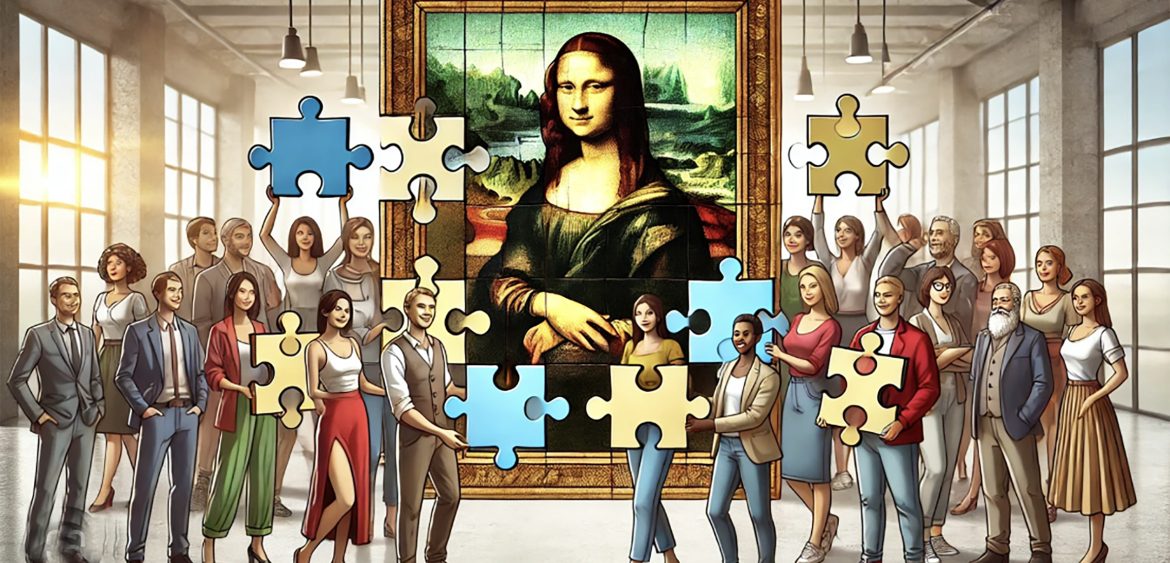
Fractional art ownership is a relatively new concept. It allows multiple investors to co-own a piece of art. This is similar to buying shares of a company. This model is gaining popularity. It opens up the art market to a wider range of investors. This is especially beneficial for those who may not have the resources to purchase a high-value artwork outright.
How Fractional Ownership Works:
- Securitization: A company or platform acquires a high-value artwork and divides its ownership into shares or fractions.
- Investment: Investors purchase these shares, becoming fractional owners of the artwork.
- Management: The company managing the artwork handles storage, insurance, and any potential exhibition or resale.
- Returns: If the artwork appreciates in value and is sold, the profits are distributed among the fractional owners. The distribution is based on their share ownership.
Advantages of Fractional Ownership:
- Accessibility: Allows investors with smaller budgets to own a piece of high-value art.
- Diversification: Enables investors to diversify their portfolios by investing in a variety of artworks.
- Lower Risk: It spreads the risk of investment across multiple owners. This reduces the potential impact of a decline in value for a single artwork.
- Professional Management: Experts handle the storage, insurance, and logistical aspects of art ownership.
- Potential for Appreciation: If the artwork appreciates in value, fractional owners can benefit from the increase.
Disadvantages of Fractional Ownership:
- Lack of Control: Fractional owners don’t have physical possession of the artwork or control over its display or sale.
- Limited Emotional Connection: The shared ownership model may dilute the emotional connection. This connection comes with owning a piece of art outright.
- Fees and Expenses: Fractional ownership platforms may charge management fees and other expenses, which can eat into potential profits.
- Liquidity: Selling fractional shares may be less liquid than selling the entire artwork, depending on the platform and market demand.
- Regulatory Uncertainty: The legal and regulatory framework surrounding fractional art ownership is still evolving, which could pose risks for investors.
Comparison to Owning the Entire Artwork:
| Feature | Fractional Ownership | Owning the Entire Artwork |
|---|---|---|
| Cost | Lower initial investment | Higher upfront cost |
| Control | Limited control over the artwork | Full control over display and sale |
| Emotional Connection | Potentially diluted emotional connection | Strong emotional connection |
| Risk | Lower risk due to diversification | Higher risk concentrated in a single asset |
| Management | Professional management of the artwork | Responsibility for storage, insurance, etc. |
| Liquidity | Potentially less liquid | Potentially more liquid |

Fractional Ownership in the Digital Age: Cryptocurrency and NFTs
The concept of fractional ownership has extended into the digital realm with the rise of cryptocurrencies and non-fungible tokens (NFTs). These technologies offer new ways to divide and distribute ownership of digital assets, including artwork.
How it Works:
- Decentralized Platforms: These fractionalized NFTs are often traded on decentralized platforms, using cryptocurrencies for transactions.
- Ownership and Governance: Fractional owners may have voting rights or other forms of governance related to the underlying artwork.
Advantages:
- Increased Liquidity: Fractional ownership of art can increase liquidity. It makes buying and selling shares in high-value digital art easier.
- Community Ownership: It can foster a sense of community ownership and shared appreciation for digital art.
- Accessibility: Allows a wider range of investors to participate in the digital art market.
Disadvantages:
- Volatility: The value of fractionalized NFTs can be highly volatile, mirroring the fluctuations of the cryptocurrency market.
- Security Risks: Decentralized platforms can be vulnerable to hacking and security breaches, posing risks for investors.
- Regulatory Uncertainty: The legal and regulatory landscape surrounding fractionalized NFTs is still evolving.
Conclusion:
Fractional art ownership, both in the traditional and digital art markets, offers new opportunities and challenges. While it democratizes access and potentially increases liquidity, it also raises concerns about control, emotional connection, and regulatory uncertainty. As the art market continues to evolve, fractional ownership will become more important. It will offer new avenues for investment. It will also enhance participation in the world of art.

