

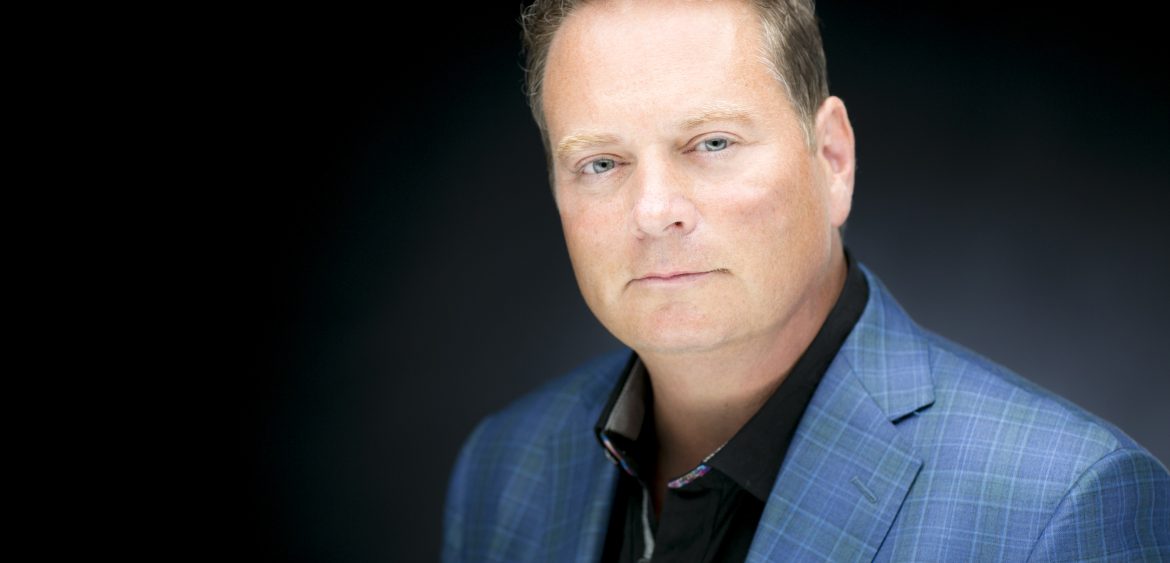
The vibrant hues of John Dowling Jr.’s abstract paintings danced across the canvas, a symphony of color and texture that mirrored the vibrancy of his spirit. Behind the captivating artwork was a hidden struggle. He faced a battle against physical limitations. These challenges had reshaped his world and cast a shadow over his artistic career.
Dowling, a man who had always thrived on human connection, found himself navigating the isolating reality of disability in America. His life changed unexpectedly in 2022. After receiving the COVID-19 vaccine, he developed rare and debilitating side effects. Myocarditis, an inflammation of the heart muscle, weakened his body, while blood clots threatened his very survival. And then, the stroke.
The stroke robbed Dowling of his ability to walk without assistance, his gait now unsteady, his steps measured and cautious. It stole his voice, leaving him with limited speech, his words often fragmented, his breath catching in his throat. The man once commanded a room with his charismatic presence. Now, he struggled to communicate the simplest of thoughts.


For Dowling, an artist, the stroke was a devastating blow. His livelihood depended on in-person interactions, art expositions, and building relationships with collectors. The world of art used to be a vibrant landscape of gallery openings. It was filled with networking events and passionate conversations about his work. Now, it had become a distant memory.
He tried to adapt and navigate the digital landscape of online art sales. However, the impersonal nature of the internet felt like a poor substitute. It lacked the human connection that had always fueled his artistic spirit. The nuances of his work, the textures, the subtle interplay of light and shadow, were lost in the digital translation.
Dowling’s struggles were not unique. In the United States, millions of disabled individuals face a system that often fails to offer adequate support. Disability benefits are meager and difficult to obtain. They barely cover the basic necessities of life. Many disabled people struggle to make ends meet.
The barriers to employment are daunting, with many employers hesitant to hire individuals with disabilities, despite their skills and talents. The lack of accessible transportation and infrastructure further isolates disabled individuals, limiting their ability to join fully in society.
For Dowling, the challenges were compounded by his difficulty in communicating. His limited speech made it difficult to engage with potential buyers. He found it challenging to explain the nuances of his art. Creating personal connections, crucial to his success as an artist, was tough. He yearned for the days when he stood before a crowd. His voice resonated with passion as he described his creative process. His hands gestured expressively as he highlighted the intricate details of his paintings. But those days were gone, replaced by a frustrating silence that often left him feeling isolated and misunderstood.
Dowling’s story shows the resilience of the human spirit. It also serves as a stark reminder of the challenges faced by disabled individuals in America. The lack of adequate support poses a significant challenge. Barriers to employment further complicate their lives. Social isolation often accompanies disability. This combination creates a daunting reality for those who must navigate a world that wasn’t designed for their needs.
Dowling’s art, a reflection of his journey and his unwavering spirit continues to inspire and captivate. But his struggle to sell his work is hampered by his physical limitations. This highlights the urgent need for a more inclusive and supportive society. Such a society recognizes the value and potential of all individuals, regardless of their abilities.


2 Comments: