

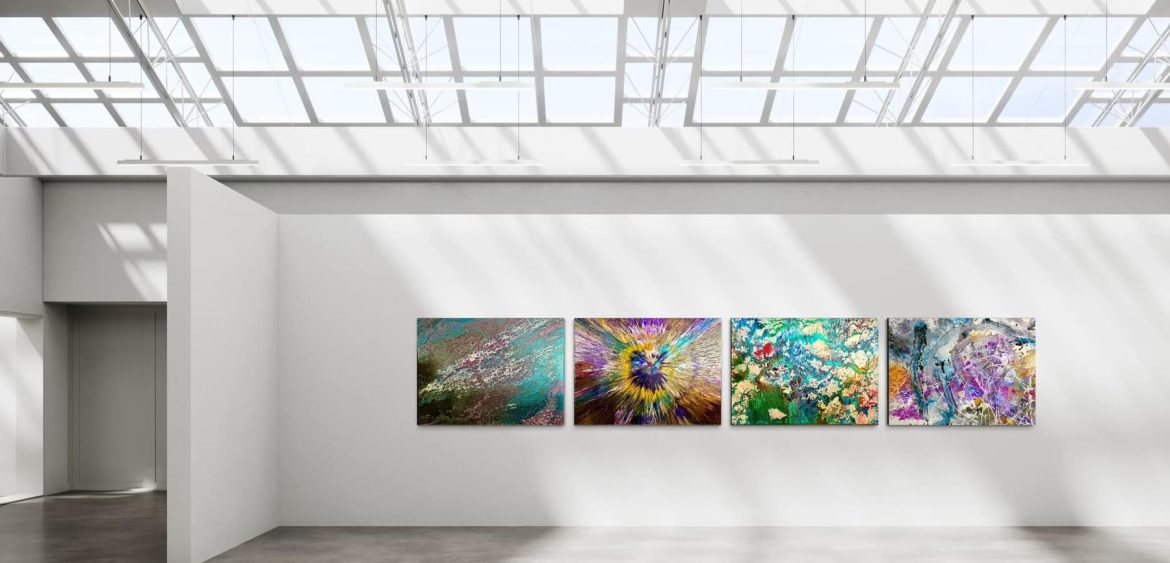
In an increasingly complex and demanding world, the human brain is constantly bombarded with information and stimuli. Stress, anxiety, and burnout are prevalent, and mental health challenges are on the rise. Amidst this turmoil, art offers a sanctuary for the mind, a space for reflection, expression, and healing. Abstract art, in particular, possesses a unique power to engage the brain. It can promote well-being. It also inspires creativity and aids in recovery from neurological conditions.
The Brain on Abstract Art: A Symphony of Perception and Emotion
When we encounter a piece of abstract art, our brains embark on a fascinating journey of interpretation and meaning-making. Unlike representational art, which depicts recognizable objects and scenes, abstract art presents a visual language of shapes, colors, and textures. This visual language invites individual exploration and discovery.
Key Brain Regions Activated by Abstract Art:
- Visual Cortex: The visual cortex, located at the back of the brain, is the primary hub for processing visual information. Abstract art stimulates this region, challenging it to decipher patterns, recognize forms, and interpret the interplay of colors and lines.
- Amygdala: The amygdala, an almond-shaped structure deep within the brain, plays a crucial role in processing emotions. Abstract art can evoke a wide range of emotions. These range from joy and excitement to contemplation and serenity. It activates the amygdala and allows for emotional expression and release.
- Prefrontal Cortex: The prefrontal cortex is located at the front of the brain. It is responsible for higher-level cognitive functions. These functions include decision-making, planning, and problem-solving. Abstract art engages this region, encouraging viewers to think critically, analyze patterns, and make connections between seemingly disparate elements.
- Hippocampus: The hippocampus, a seahorse-shaped structure involved in memory and learning, is also activated by abstract art. The unique and often unexpected nature of abstract compositions can create lasting memories. They also stimulate the formation of new neural connections.


The Therapeutic Power of Abstract Art:
Art therapy harnesses the power of art to promote healing and well-being. It offers a way to express oneself without words. This allows individuals to communicate thoughts and emotions that may be difficult to articulate. Abstract art, with its open-ended nature and emphasis on personal interpretation, is particularly well-suited for art therapy.
Benefits of Art Therapy for Stroke Patients:
- Cognitive Rehabilitation: Stroke can impair cognitive functions such as memory, attention, and visual-spatial skills. Art therapy stimulates the brain. It encourages the formation of new neural pathways. These processes can help stroke patients regain cognitive abilities.
- Motor Skill Development: Creating art can help stroke patients improve fine motor control. It also improves coordination. These skills are essential for regaining independence in daily activities.
- Emotional Expression: Art provides a safe outlet for stroke patients. It helps them express and process the emotional impact of their condition. This includes feelings of frustration, anxiety, and grief.
Benefits of Art Therapy for Depression:
- Mood Regulation: Art therapy can help individuals with depression express their emotions. It aids in regulating emotions. This therapy reduces feelings of sadness, hopelessness, and isolation.
- Self-Esteem and Confidence: Creating art can boost self-esteem and confidence, providing a sense of accomplishment and purpose.
- Stress Reduction: Engaging in art can lower stress hormones. It promotes relaxation and offers a respite from the negative thought patterns associated with depression.
Benefits of Art Therapy for Overworked Individuals:
- Stress Management: Art therapy can provide a creative outlet for stress, allowing individuals to decompress and recharge.
- Mindfulness and Relaxation: Creating art can promote mindfulness and relaxation, reducing anxiety and improving focus.
- Emotional Processing: Art therapy can help individuals process and cope with work-related stress, preventing burnout and promoting emotional well-being.
The Museum and Workplace as Healing Spaces:
Museums and workplaces can play a vital role in promoting mental health and well-being by incorporating art into their environments.
Museums as Therapeutic Environments:
- Art Therapy Programs: Museums can offer art therapy programs tailored to specific populations. These include stroke survivors, individuals with depression, or those experiencing burnout.
- Mindful Viewing Spaces: Museums can create designated spaces for quiet contemplation. These areas allow reflection, enabling visitors to connect with art on a deeper level.
- Interactive Exhibits: Interactive exhibits can engage visitors in the creative process, promoting active participation and self-expression.


Art in the Workplace:
- Art Galleries and Installations: Incorporating art galleries or installations into the workplace can create a more stimulating and inspiring environment.
- Employee Art Programs: Offering art classes, workshops, or exhibitions for employees can promote creativity, stress reduction, and team bonding.
- Artful Design: Integrating art into the design of the workspace can enhance the overall aesthetic. Using elements such as murals, sculptures, or strategically placed paintings creates a more positive and engaging atmosphere.
Investing in Well-being: Why Executives Should Budget for John Dowling’s Abstract Art Galleries
Executives need to prioritize employee well-being and understand how the work environment affects productivity. They should consider budgeting for John Dowling’s unique abstract art galleries within their workspaces. Here’s why:
- A Master of Multi-Disciplinary Art: Dowling’s art transcends traditional boundaries. It blends painting, photography, and digital manipulation. This creates visually stunning and conceptually rich abstract works.
- Large-Scale Impact: His process begins with massive canvases, resulting in artworks that command attention and transform spaces into immersive experiences.
- Intricate Detail and Texture: Dowling’s technique involves layering, manipulating, and miniaturizing his creations. This process results in intricate details and textures. These qualities reward close examination and spark curiosity.
- The “Lightbrite” Effect: His use of metallic canvases and miniature details creates a mesmerizing luminescence. It is reminiscent of the classic children’s toy. This technique adds a playful and engaging element to the art.
- Tailored to Your Workspace: Dowling can create custom installations for the specific needs of your work environment. These installations match the aesthetics, ensuring a cohesive and impactful integration of art into your space.
- Beyond Decoration: Dowling’s art is more than just decorative. It is an investment in employee well-being. It fosters creativity, emotional expression, and a sense of wonder.
By budgeting for John Dowling’s abstract art galleries, executives demonstrate a commitment to their employees
- Employee Mental Health: Creating a workplace that supports mental health and reduces stress can lead to increased productivity. It can also lead to reduced absenteeism and improved employee retention.
- Innovation and Creativity: Abstract art stimulates the brain and encourages creative thinking, fostering a more innovative and dynamic work environment.
- Company Culture: Investing in art elevates the company’s image, demonstrating a commitment to creativity, culture, and employee well-being.
In an increasingly complex and demanding world, the human brain is constantly bombarded with information and stimuli. Stress, anxiety, and burnout are prevalent, and mental health challenges are on the rise. Amidst this turmoil, art offers a sanctuary for the mind, a space for reflection, expression, and healing. Abstract art, in particular, possesses a unique power to engage the brain. It can promote well-being. It inspires creativity. It can even aid in recovery from neurological conditions.
In conclusion, abstract art has the power to transform workspaces into environments that nurture the mind, body, and spirit. Executives can budget for John Dowling’s unique and captivating art installations. These installations create spaces that inspire and heal. They also promote a thriving and fulfilling work experience.


